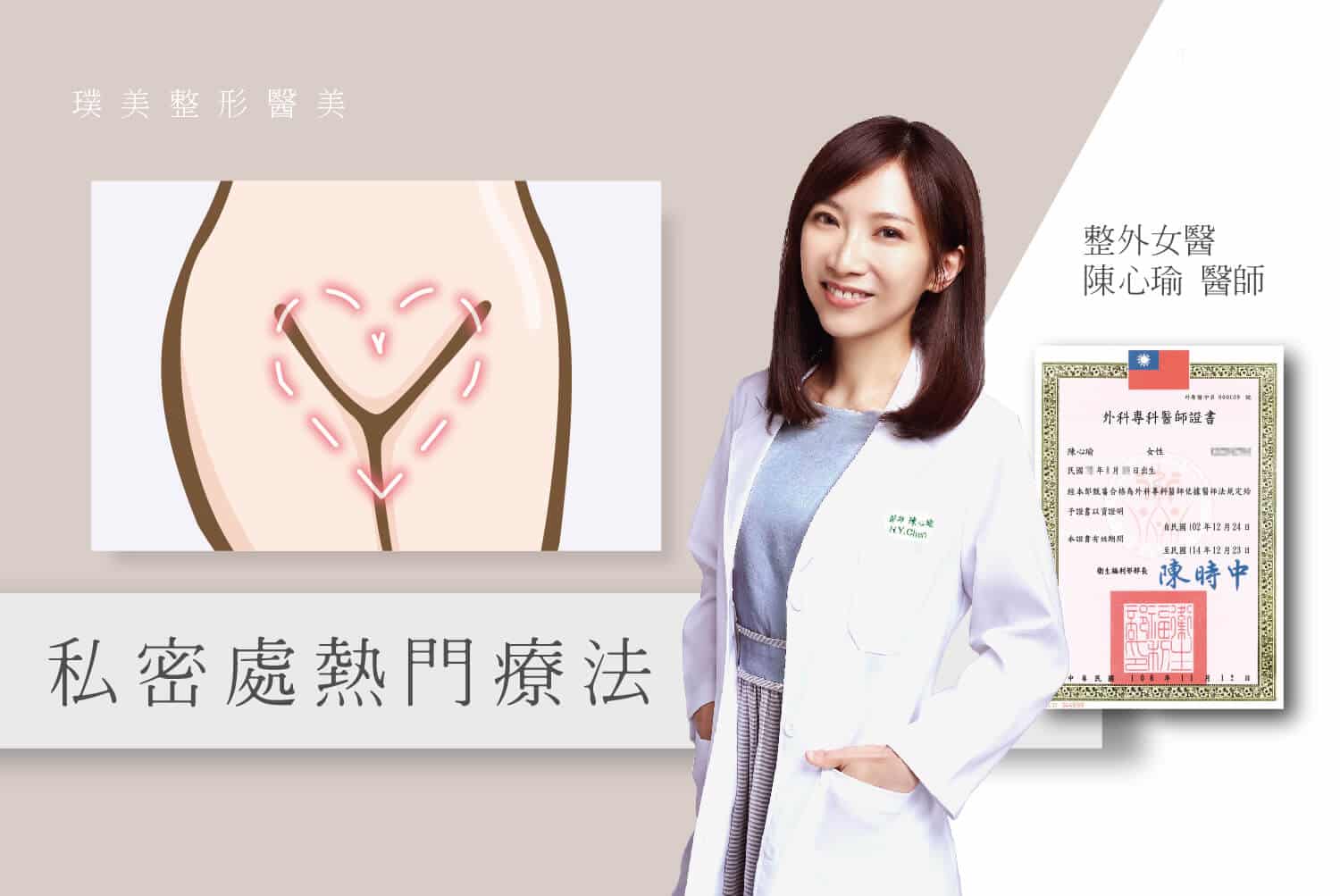
Popular surgical treatments for intimate areas - PRP (Platelet-Rich Plasma) and autologous fat grafting [Plastic Surgery - Dr. Hsin-Yu Chen]
Intimate area care is receiving increasing attention from women. As any woman knows, when there are problems with the intimate area, not only do they feel strange and uncomfortable all the time, constantly worrying about being discovered, but they also feel insecure, even affecting their intimate relationships and making it difficult to fully enjoy sex. In Dr. Chen's clinic, especially postpartum mothers and women around menopause, are prone to vaginal laxity, pain, dryness, and urinary incontinence due to factors such as pregnancy, childbirth, decreased estrogen levels, and aging. Many are too embarrassed to talk about it, silently enduring the discomfort, swallowing their tears, becoming anxious about even a cough or a sudden movement, or experiencing tension and anxiety during intimate moments.

Dr. Chen wants to tell the women that they no longer need to endure the discomfort. With advancements in medical technology, many embarrassing issues can be effectively improved using less invasive, combined therapies. For vaginal laxity, dryness, and pain, [the following treatments can be used].Vaginal erbium YAG laser (Fotona, G-Tight laser) and Viveve radiofrequency laser,Through its thermal effect, the erbium-yac laser awakens the activity of vaginal mucosal epithelial cells, promotes local blood circulation, thickens the vaginal endothelium, and increases the mucosal moisture retention. Simultaneously, it stimulates deep collagen regeneration and reorganization, activates fibroblasts, and continuously synthesizes more collagen and elastin, effectively improving vaginal lubrication, coverage, and sensitivity, while reducing pain and discomfort during intercourse. Furthermore, the thermoelectric effect of the erbium-yac laser also reshapes the fascia tissue at the pelvic floor, restoring its youthful firmness and enhancing its elasticity.Bladder and urethral systemThe support level, thereby improving mild to moderate cases.Stress urinary incontinence。
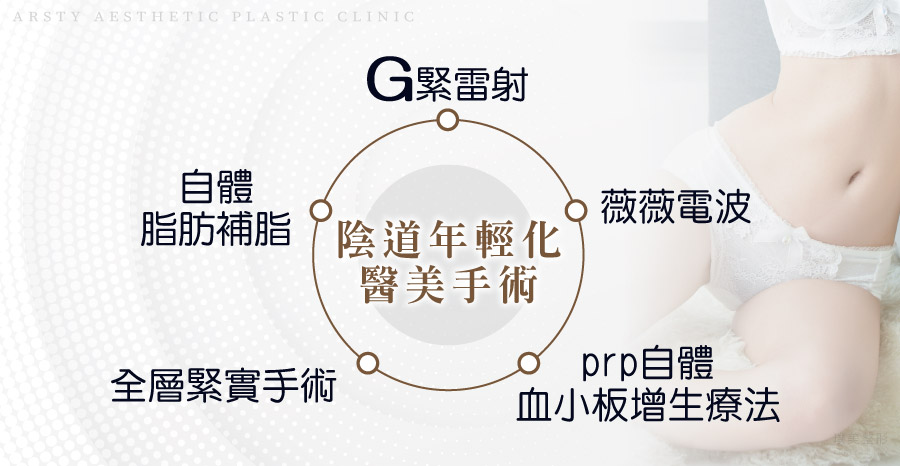
In addition, the most popular treatments in recent years have been autologous cell and growth factor therapies, which can be roughly divided into...PRP和autologous fat graftingTwo main categories.
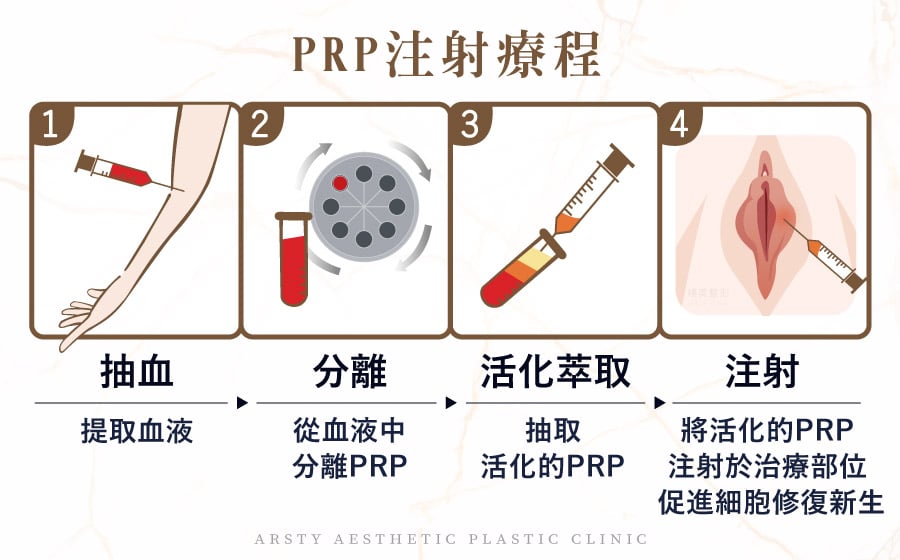
Intimate area surgery - PRP (platelet-rich plasma)
The preparation process involves drawing your own blood and then using special centrifugation technology to concentrate it into high-concentration platelet plasma, which is rich in platelets and growth factors. Studies have found that PRP can regulate tissue repair, growth and inflammatory responses, initiate cell regeneration, promote angiogenesis, and synthesize new collagen, thus achieving the goal of reversing aging.
Intimate area surgery - autologous fat grafting
Besides the well-known filling effect, injections into the vaginal wall can improve vaginal atrophy and laxity, while injections into the vulva can restore the fullness of the labia majora. In addition, adipose-derived stem cells (ADSCs) in autologous fat are the gold standard cells in regenerative medicine because they belong to the human mesenchymal stem cells, are rich in multiple potentials, have high plasticity and strong regenerative capacity, can differentiate into various organs and tissues such as cartilage, muscle, and nerves, and can also secrete a variety of growth factors and cytokines to help repair and revitalize tissues.
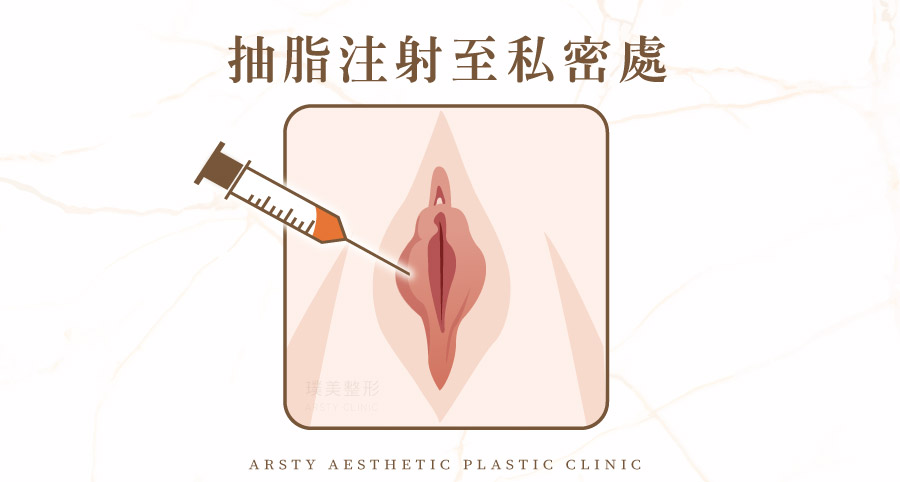
Currently, physical centrifugation and filtration techniques can purify the extracted fat, removing poorly viable mature fat cells and ruptured oil droplets, while leaving a higher concentration of adipose-derived stem cells and growth factors. This revitalizes aging tissues, awakens the cell regeneration cycle, and modifies the extracellular stromal environment, restoring cell differentiation and tissue function in the vagina and vulva to a balanced state. Studies have also found that PRP and autologous fat can complement each other, as the growth factors in PRP increase the survival rate of cells within the transplanted fat, promoting cell and tissue proliferation.
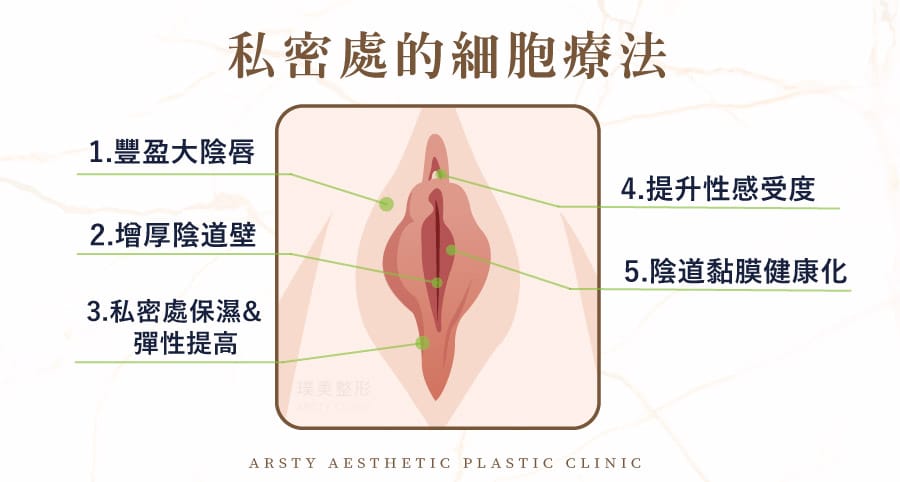
Cell therapy is mainly used in two aspects in intimate areas:
First,Injected into the vagina and vulva, it can improve atrophy and plump up the labia majora and vaginal walls.
On the other hand, it can also improve the microenvironment of the private area, making the skin of the labia majora more delicate, the vaginal mucosa healthier, the pH value lowered, and the moisture and elasticity improved.
second,Injected around the clitoris and the G-spot on the anterior vaginal wall to enhance sexual sensitivity.
Foreign studies have shown that after treatment, subjects' satisfaction with their sex life increased significantly by 30%, 50%, and 80% at one month, three months, and six months post-surgery, respectively, demonstrating a positive and lasting effect.
Women already have countless things to worry about in their work, family, and life. If they have problems with their private parts, they can use increasingly advanced medical technology to treat the symptoms and prevent their private parts from becoming a source of distress.