After nipple and areola reduction surgery, can I still breastfeed?

Breasts are one of the most attractive features of a woman. Overly long or large nipples and enlarged or darkened areolas can affect a woman's self-confidence. In addition to affecting herself, it can also cause some women to change their mindset when facing their partner, making them less open and affecting intimate relationships. Therefore, nipple/areola reduction surgery is a surgical procedure that many people inquire about.
Some people are born with overly long nipples, while others develop nipple deformities due to external stimuli.Many postpartum mothers, after enduring the hardships of breastfeeding during pregnancy, find that their nipples have become "different" and seek medical help to restore their areolas/nipples to their original small and beautiful state.
"I haven't had children yet. After nipple and areola correction, can I still breastfeed?""Can I breastfeed after nipple reduction surgery?" This is a question many women ask before considering nipple and areola reshaping surgery.
In fact, overly long nipples and overly large areolas can indeed be surgically corrected to achieve a more aesthetically pleasing result. However, some people worry that the surgery will affect their breastfeeding afterward, fearing they will no longer be able to breastfeed their babies.Actually, it's possible, as long as...Before the surgery, you can have a detailed consultation with the doctor. You can also have areola/nipple reduction surgery before pregnancy to improve your appearance. If you plan to get pregnant afterward, you can still breastfeed.
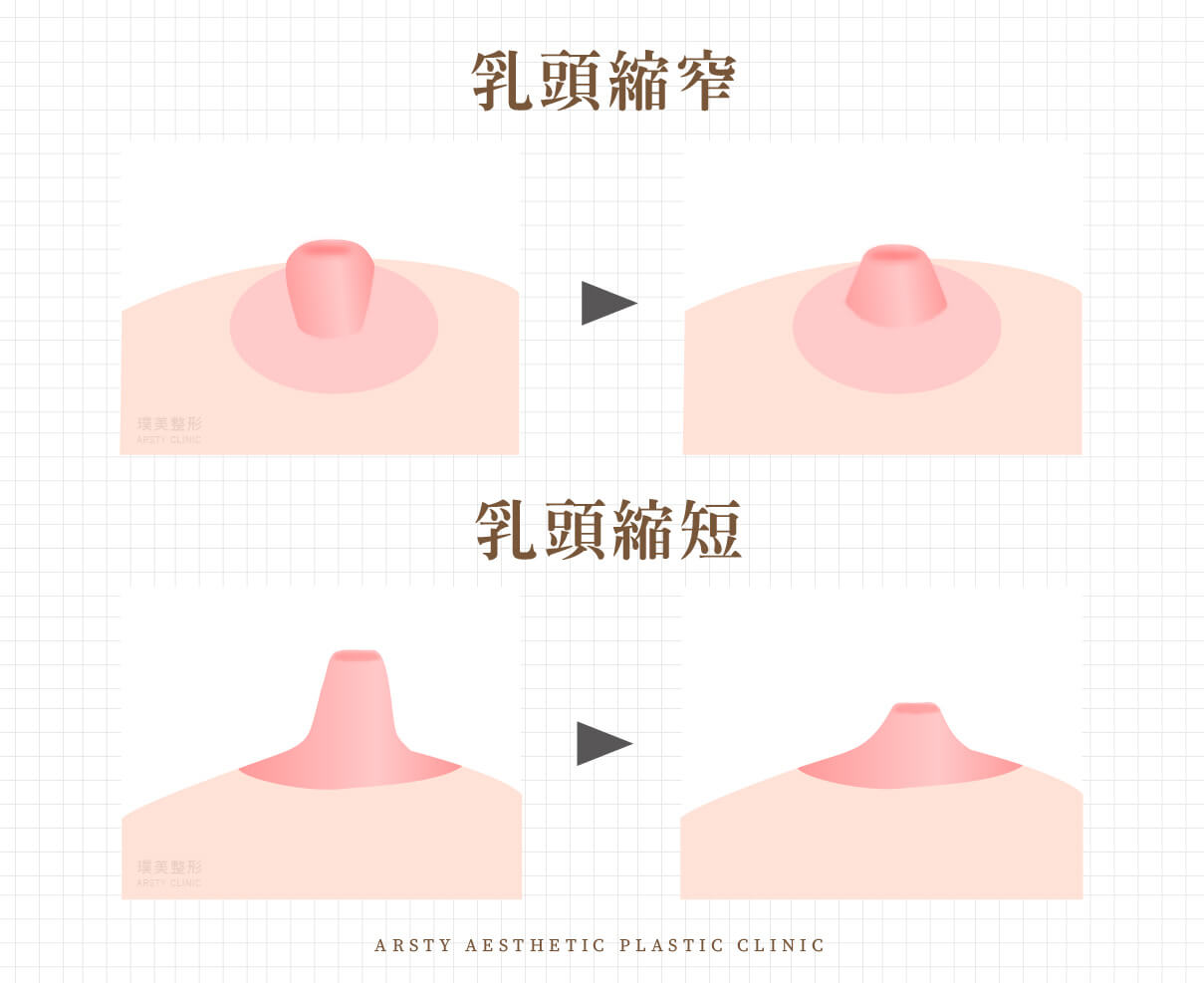
Before nipple reduction surgery, have a detailed consultation with your doctor to determine whether to preserve the mammary ducts.
Generally speaking, it is possible to breastfeed after surgery to reduce the size of the areola and nipple, but you must confirm this with your doctor beforehand!Areola surgery typically involves removing the surface skin, so it generally doesn't affect breastfeeding.However, there are several types of nipple reduction surgery:
If laterI still want to breastfeedThen the surgical method will beCentral mammary ducts preserved intactHowever, in comparison,The extent to which nipple reduction can be achieved is also quite limited.
If afterwardsNo plans to breastfeedThen it can proceed.Surgical methods for removing the mammary ductsThis methodThe area for nipple reduction increases significantly.It can significantly reduce the size of the nipple.


Why do the areola/nipple get bigger and darker?
Pregnancy and breastfeeding
During pregnancy, childbirth, and breastfeeding, the secretion of estrogen in women causes breast tissue to swell, which in turn affects the size of the areola and nipple. Furthermore, breastfeeding, due to prolonged suction and external stimulation, can easily lead to nipple deformation, pigmentation of the areola and nipple, and darkening of their color.
Innate genes
Genetic predisposition may result in larger or longer areolas and nipples. Generally, if the bra size is larger, the areola area will also be larger.
external stimuli
Besides breastfeeding, excessive sun exposure, friction with clothing, or other external stimuli can all cause the areola and nipple to enlarge or darken in color.
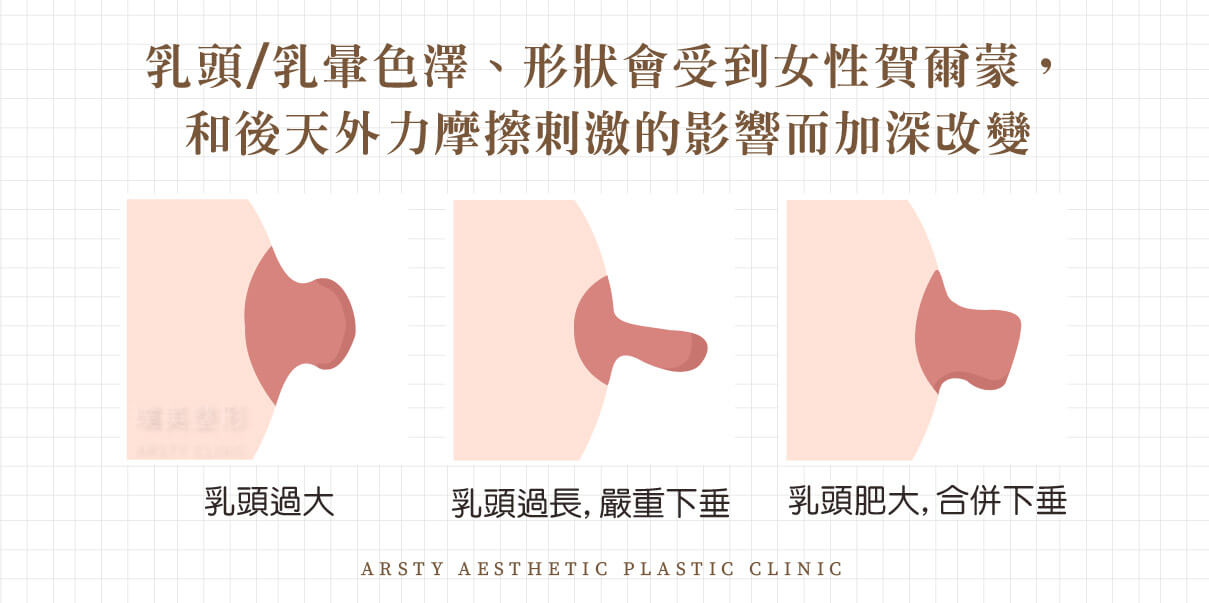
Nipple reduction surgery methods
1. Overly long or even drooping nipples (preservation of mammary ducts)
After determining the appropriate nipple height, the excess portion is removed by performing a circular dissection of the epidermis, and then the wound is sutured parallel to the skin, thus shortening the nipple length. Because the blood vessels, nerves, and mammary ducts in the center of the nipple are carefully preserved, the nipple sensation is normal after the surgery, and breastfeeding function is not affected.

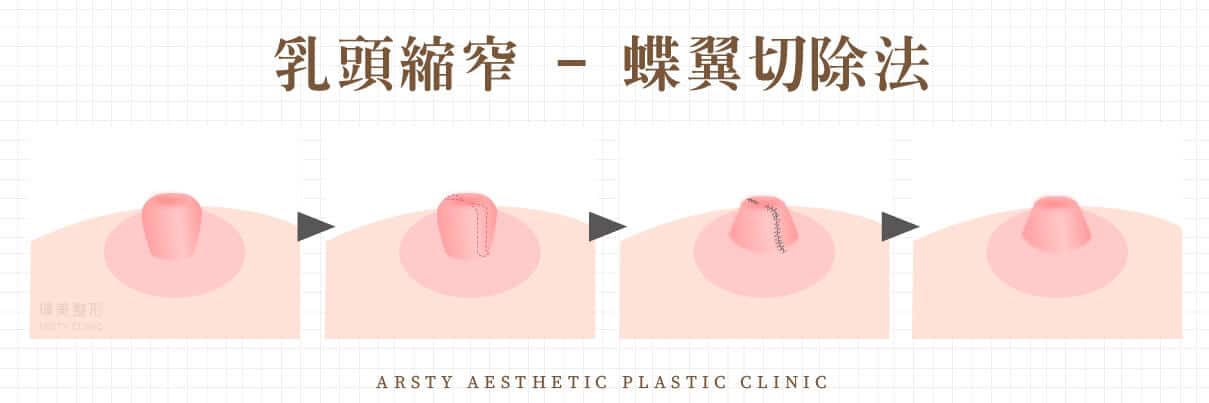
II. Overly wide nipples
Appropriate incisions are made on the top and sides of the nipple to remove excess or overly protruding tissue, which is then sutured together to form a new dome. This not only reduces the width of the nipple but also corrects local irregularities. However, if the nipple is reduced to a large extent and a significant amount of tissue is removed, it may affect some breastfeeding function.
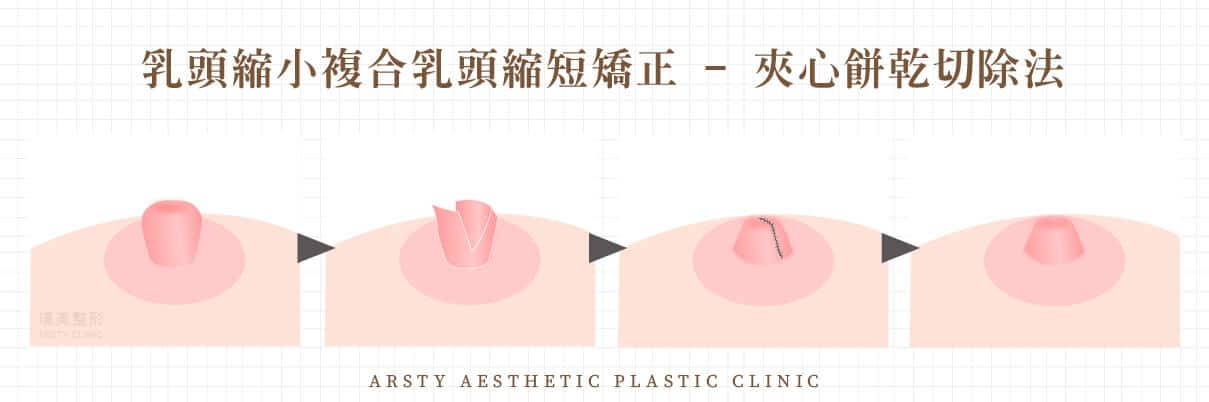
3. Overly long and droopy nipples
By combining the two methods mentioned above, a composite flap design is created, which simultaneously shortens the nipple, making it smaller and more delicate.
Areola Reduction Surgery:
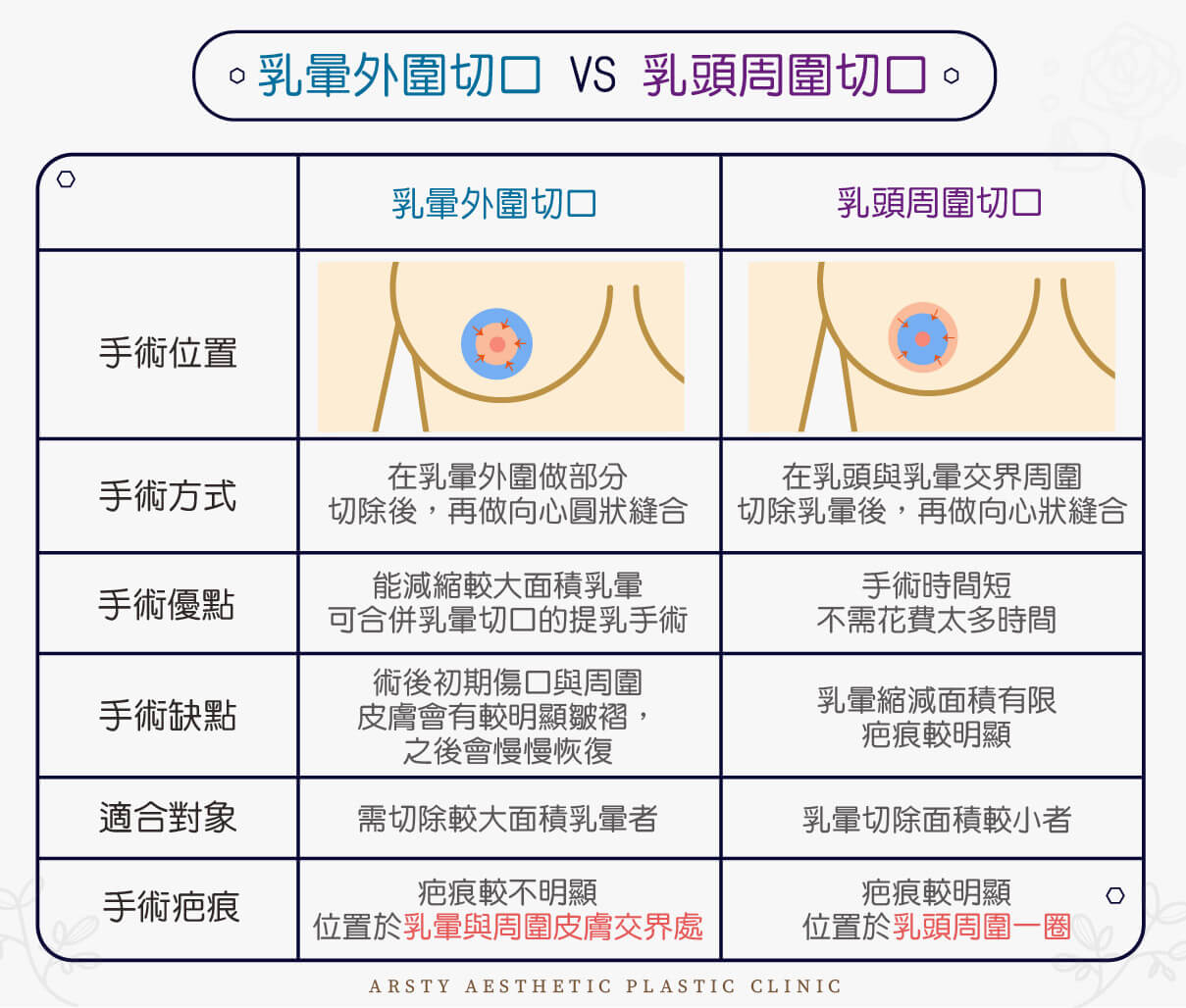
I. Periareolar incision
通常適合需要切除比較大面積的情況,能縮減較大面積的乳暈,並可以合併乳暈周圍切口的Breast lift,疤痕位置於乳暈與周圍皮膚的交界處。
II. Peri-nipple incision
This method has a limited area of areola reduction and is suitable for people with a smaller area to be removed. The scar is located around the perimeter.
Although the areola and nipple are not usually visible, they are very important parts of a woman's body. In addition to aesthetics, they also play an important role in breastfeeding. Therefore, before undergoing surgery, it is essential to determine what you need and want, and to communicate carefully with your doctor to achieve a surgical outcome that satisfies both parties.

👇Contact a specialist for consultation, and enjoy beauty without worries👇