


Facial bone structure

Surgery timeApproximately 45 minutes

Anesthesia methodsLocal anesthesia

Suture removal timeSutures removed 7 days after surgery

Postoperative recoveryApproximately 7-14 days

A comprehensive analysis of the principles, costs, and case studies of jaw reduction surgery.
East Asians tend to have flatter facial contours and are most concerned about so-called "round faces" or "square faces." However, attempting to slim the face through minimally invasive procedures like Botox injections to reduce muscle size is often ineffective. This is because the problem lies in the facial bone structure itself. Even reducing fat or muscle has limited impact on changing the face shape. The best approach is to undergo bone reduction surgery, assessed by a professional physician, to reshape the face and create a more perfect facial contour!

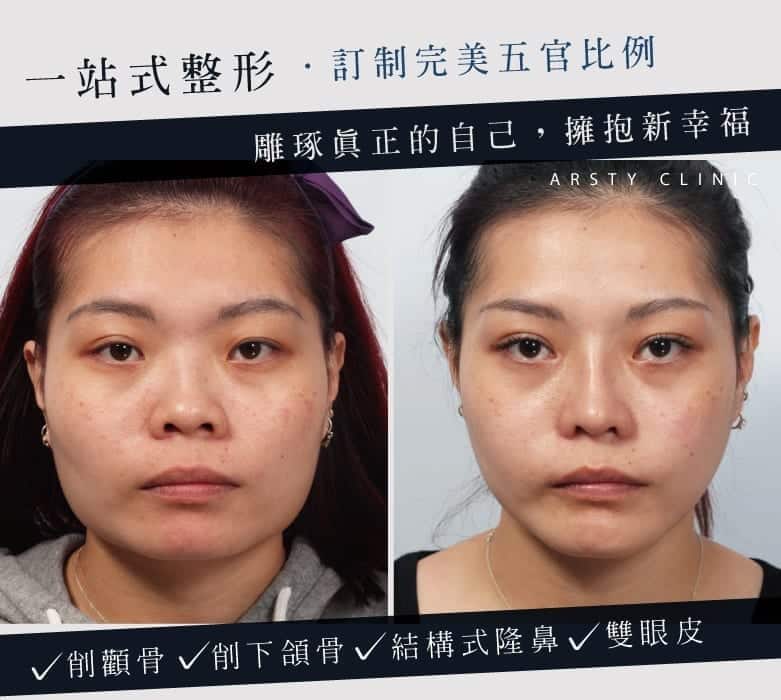

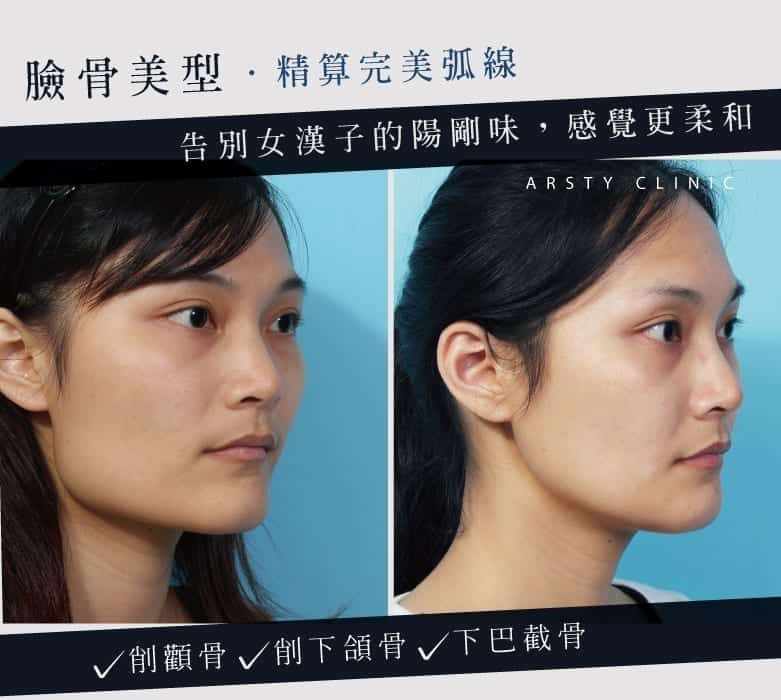
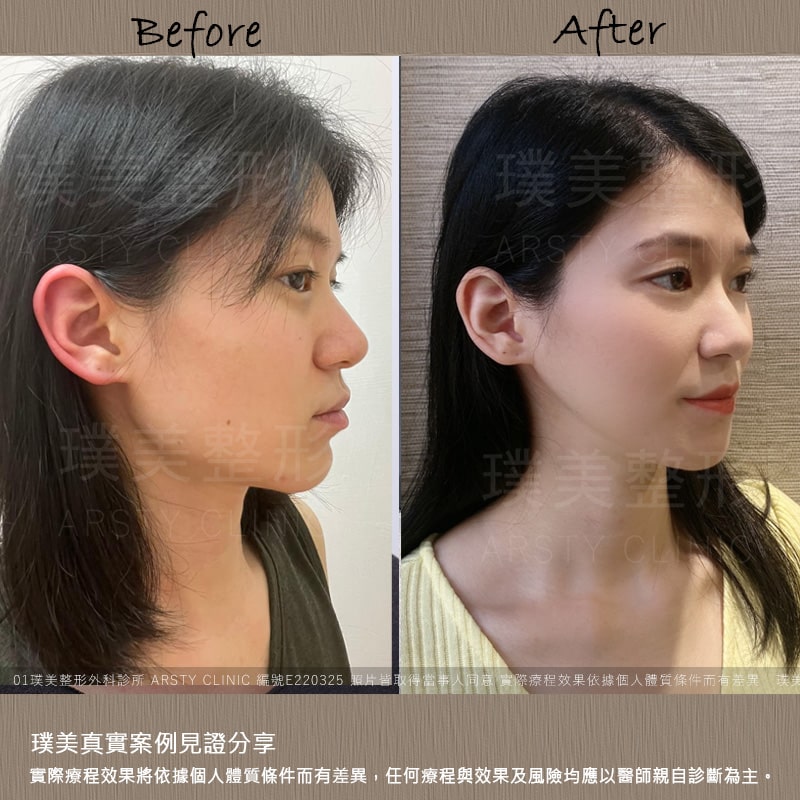
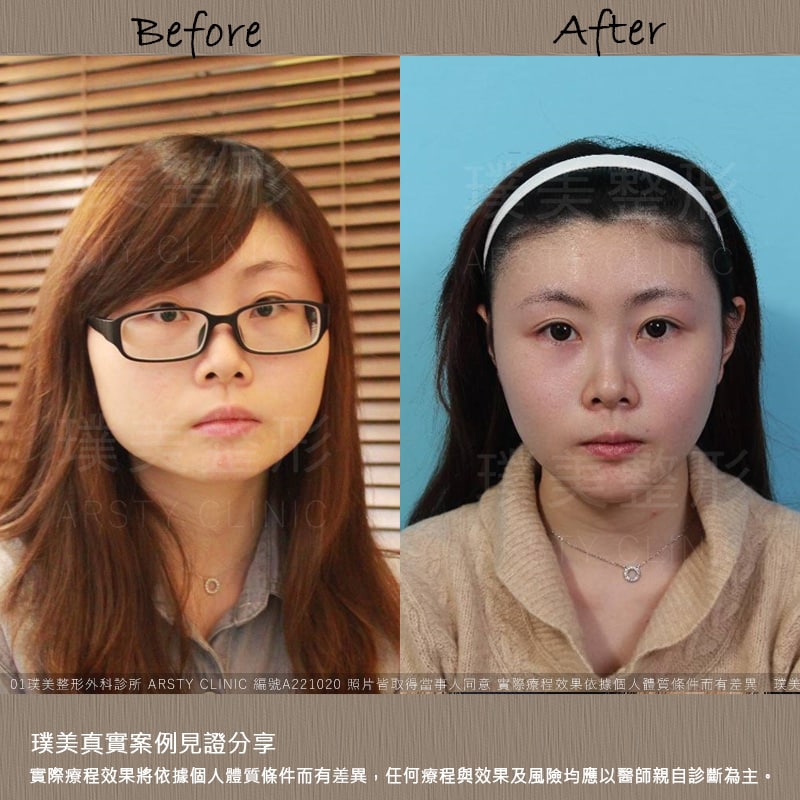
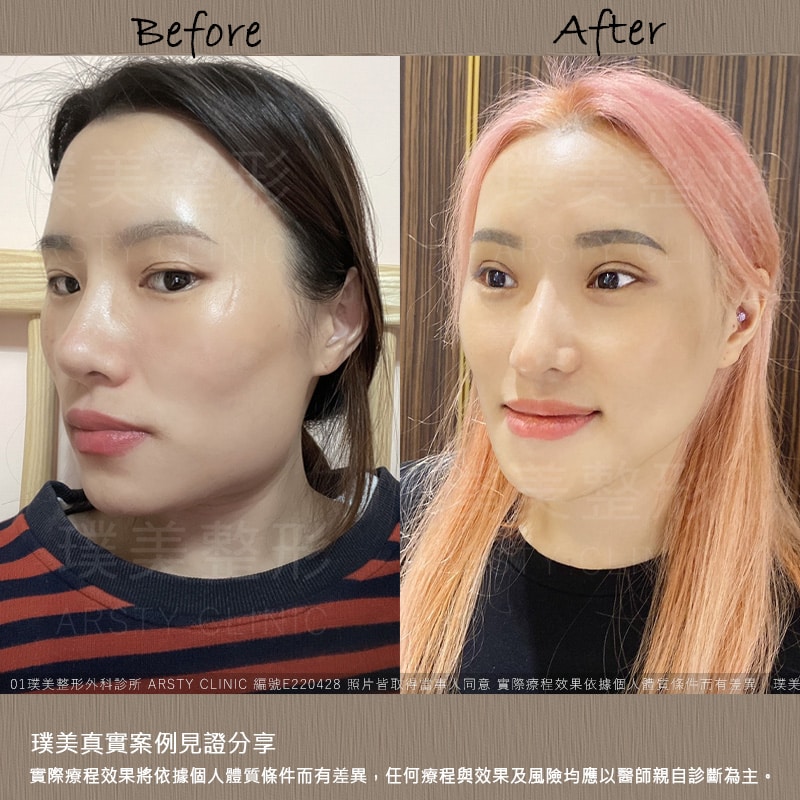
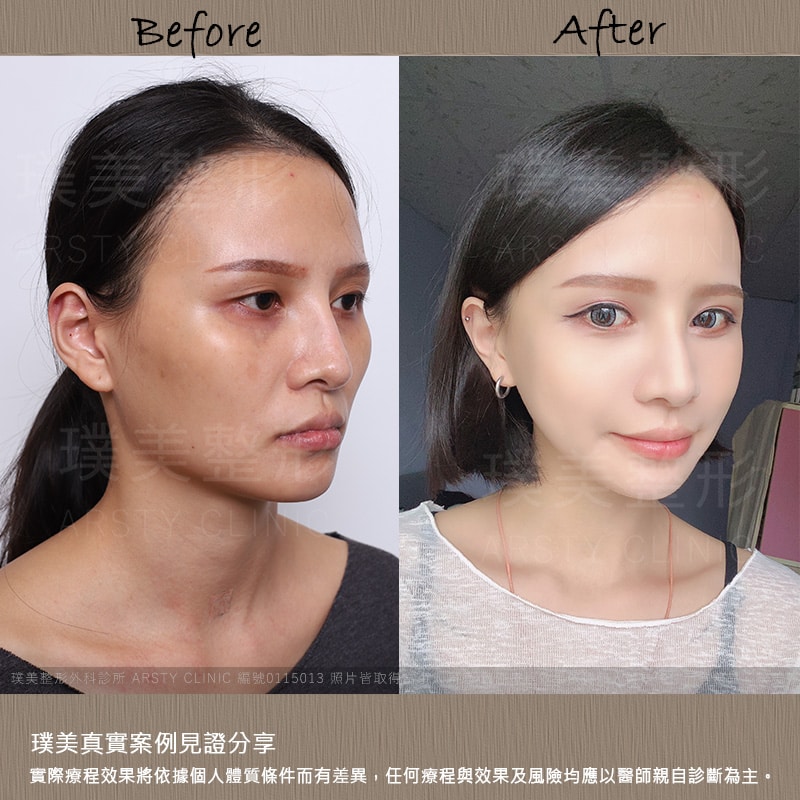
Which facial features are suitable for minimally invasive, scarless bone reduction surgery?
Many factors influence face shape. In addition to the distribution of fat in the facial contour, muscle size, and skin elasticity, the shape and size of the internal bone structure are also key factors! There are generally five common face shapes: square face, oval face, round face, and long face.
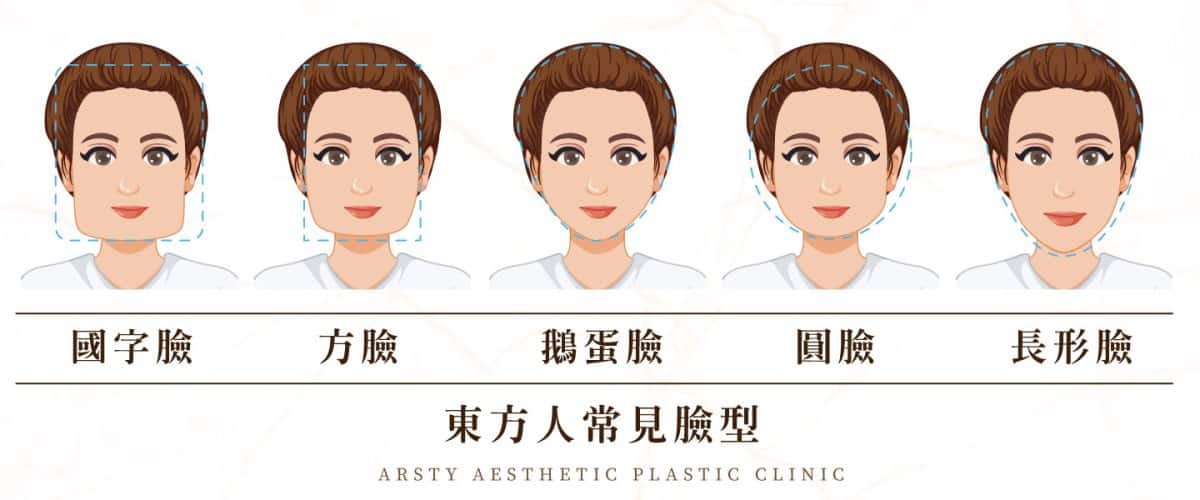
Jaw reduction surgery is best suited for improving round or square faces. It can also effectively improve other common facial defects such as prominent cheekbones, wide cheekbones, facial asymmetry, protruding chin (banana face, moon face), receding chin, facial asymmetry, and uneven face, helping you regain your confidence!
What kind of face shape is considered perfect?
In fact, everyone's face is unique. Dr. Wei-Cheng Ching, who comes from the Chang Gung Craniofacial Orthognathic Surgery Center and has nearly 20 years of clinical experience in plastic surgery, said that the commonly heard golden ratio of the face, which divides the face into three equal parts, such as the face below the nostrils accounting for 1/3 of the entire face, or the face below the lower lip being twice the length of the philtrum, is only a general principle. In his experience, a narrow and long face may not be suitable for such proportions, as it will make the face look even longer.
While oval faces are generally preferred, the Korean wave has led to a trend of smaller faces in recent years. At Arsty Clinic, clients often seek a V-shaped or pointed face like celebrities, mainly emphasizing a small and delicate chin.
Therefore, during the actual consultation, the director will conduct an overall assessment and planning based on different face shapes and facial features. Based on the original conditions, professional advice will be provided to determine the best face proportions and then a customized treatment plan will be formulated to create a natural beauty that is unique to you.
Minimally Invasive, Scarless Bone Reduction Technique
Facial reshaping surgeries include bone shaving, Orthognathic Surgery, Genioplasty, and artificial bone implantation, as well as contour liposuction and cheek liposuction. Among them, Arsty Clinic's minimally invasive scarless bone shaving surgery is personally consulted by the chief surgeon, and one or more composite facial plastic surgeries are performed depending on the individual's situation. This involves cutting bone at appropriate locations, removing bone, or making three-dimensional 3D displacement of the facial bones to make the overall curves smoother.
Arsty Clinic offers a variety of bone reduction surgery procedures: Genioplasty shortening, Genioplasty lengthening, cheekbone reduction surgery, mandibular angle reduction surgery, and facial V-Line surgery. Multiple procedures can also be combined to create a customized full-face bone reduction surgery just for you.

■ Cheekbone reduction surgery (cheekbone reduction)
A face with prominent cheekbones or a wide mid-face can make the temples and cheeks appear sunken, giving the impression of being serious, unapproachable, or older. In such cases, cheekbone reduction surgery can be performed by cutting and repositioning the cheekbones inwards to refine the overall facial shape and soften the facial contours. High cheekbones are particularly beneficial for women, as they can easily give a masculine appearance. Some patients may also experience a wide, round face; in such cases, jaw reduction surgery can be combined to achieve a more harmonious and balanced facial shape.

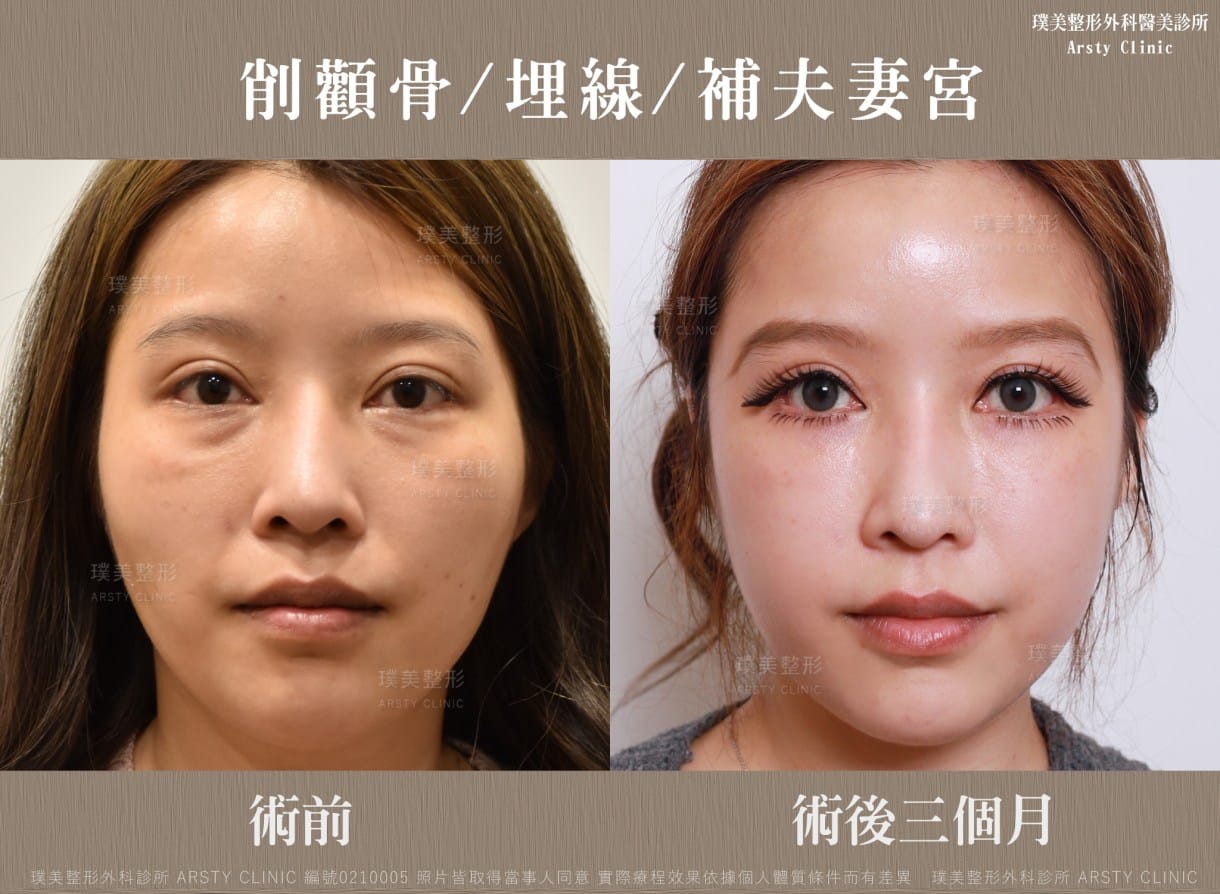
Learn more about cheekbone reduction surgery
2. Mandibular bone reduction surgery
A large or outward-protruding mandibular angle can make the face appear larger and the features flatter, resulting in a square, rectangular, or round face. By shaving the jawbone, the lower edge of the mandibular angle is removed to avoid an uneven jawline (creating a secondary mandibular angle), reduce the thickness of the mandibular angle, and achieve a smaller face effect. The jawline appears much softer, and the facial features become more three-dimensional.
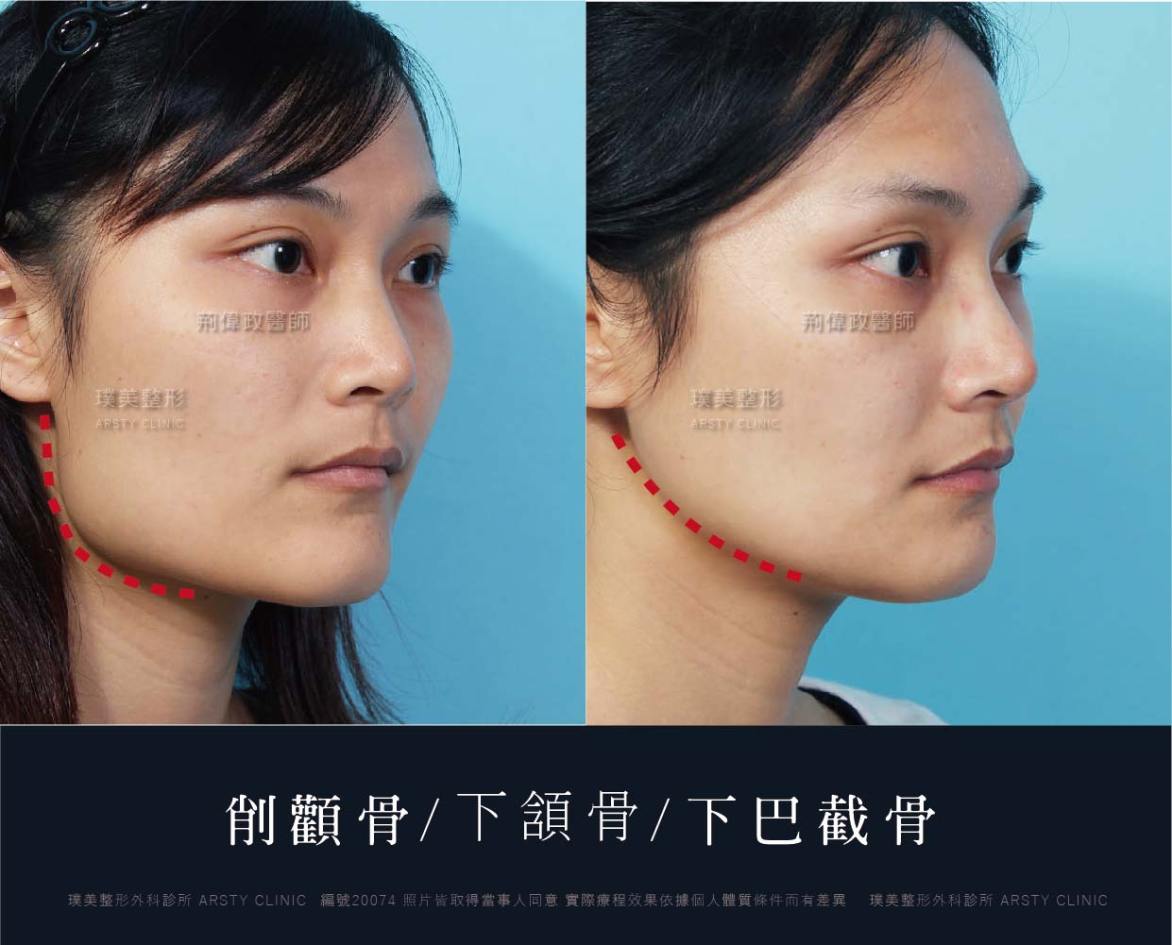

■ Genioplasty
Genioplasty can correct problems such as a protruding chin, a receding chin, an overly wide chin, an overly long chin, an overly short chin, and an asymmetrical chin. By making a horizontal incision in the chin bone, and then repositioning and fixing it according to individual needs, the appearance of the chin can be changed, making the chin more upturned, and the face shape naturally more three-dimensional.
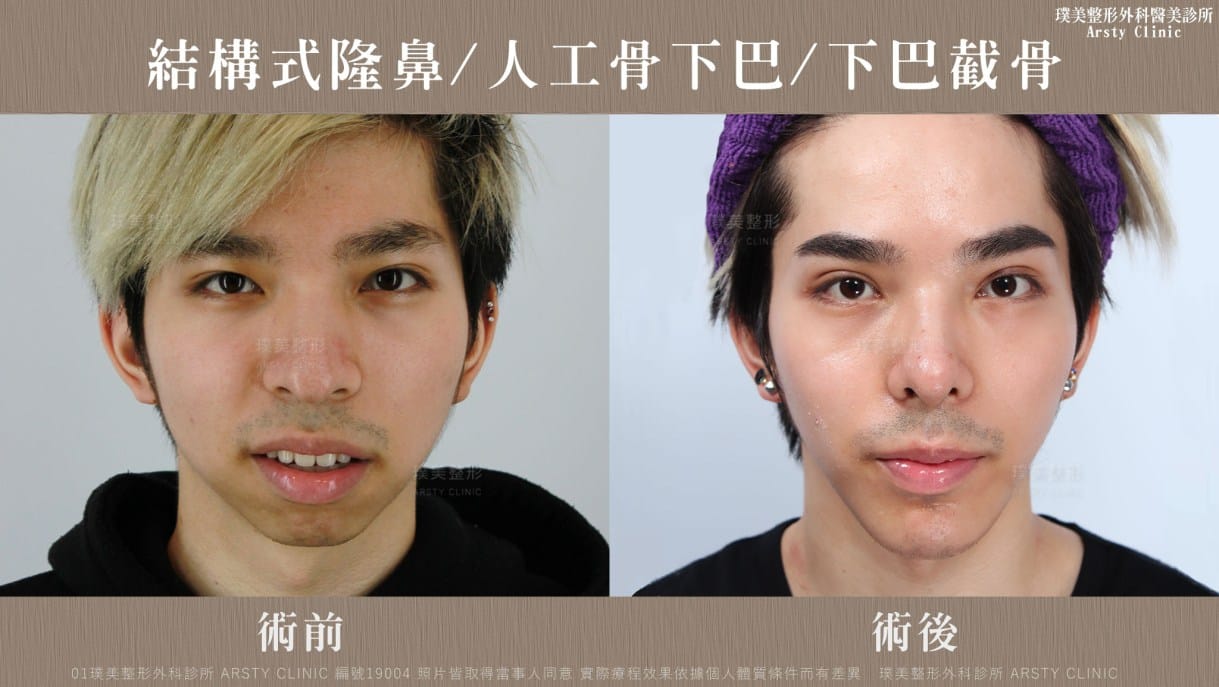
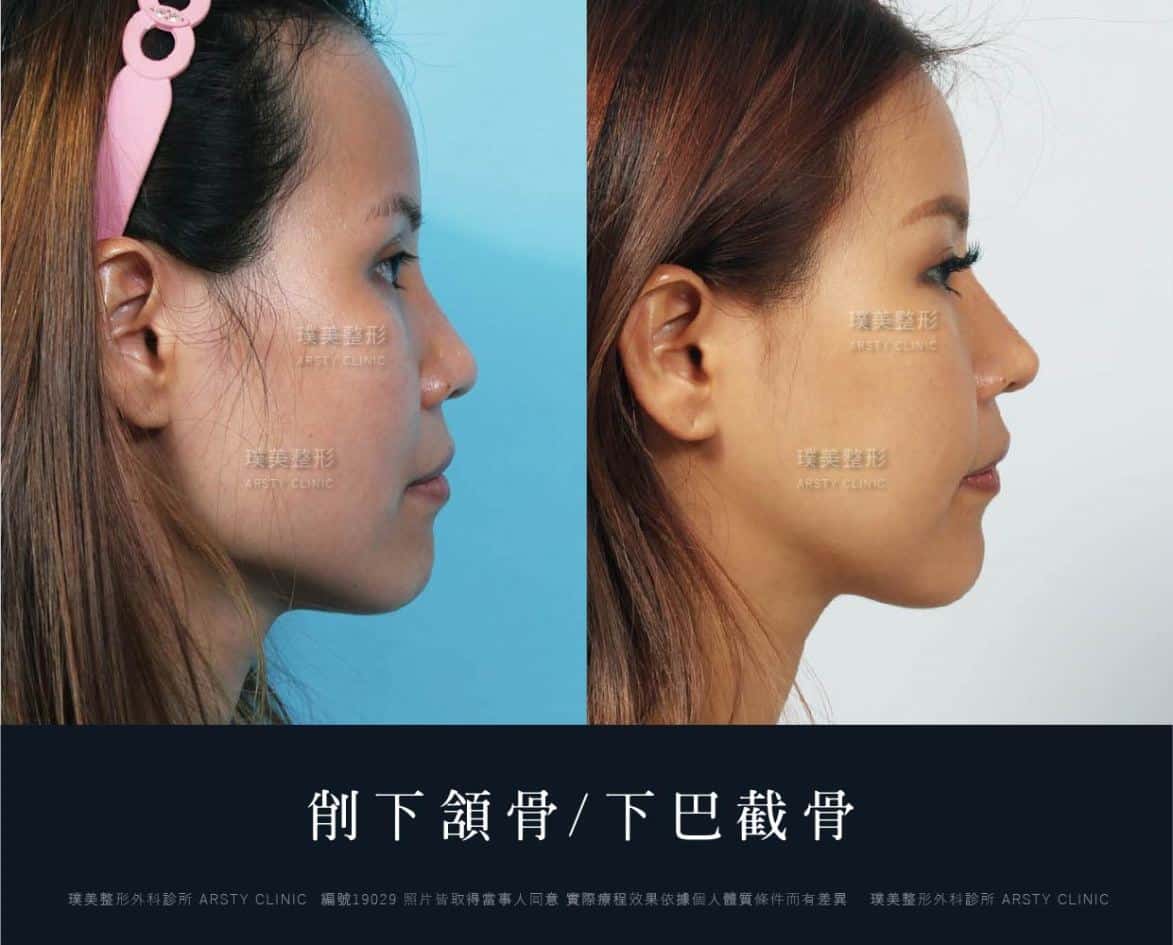
■V-Line Chin Contouring Surgery
If the chin is inherently too short, Chin Augmentation can be considered to achieve the desired results. Combining this with jawbone reduction surgery and Genioplasty (V-line surgery) can create the most dramatic reduction in facial size. If it's simply a receding chin, Genioplasty can be avoided by using artificial bone to augment the chin and improve its appearance. Our clinic also offers customized Chin Augmentation, designed to meet specific needs.
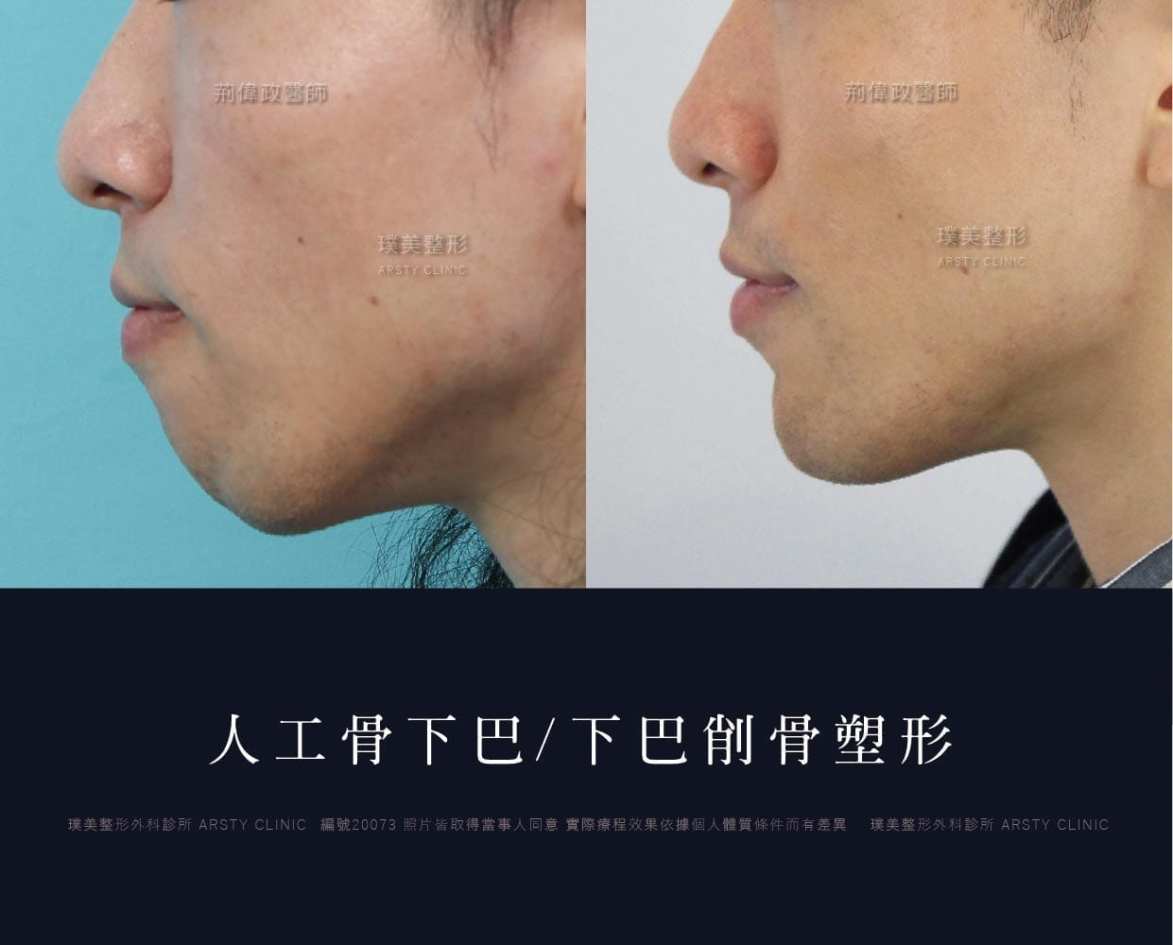
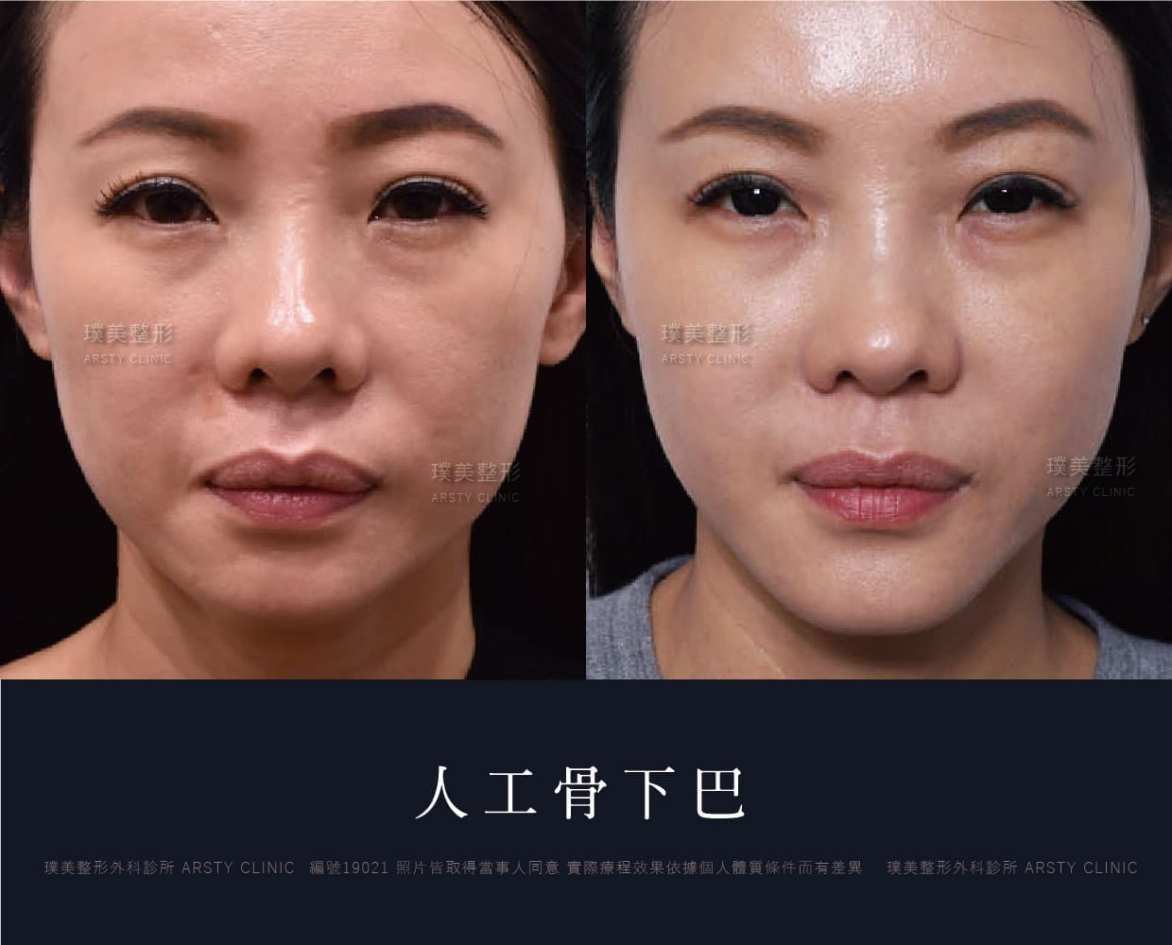
■Combined facial bone surgery
In addition to simple bone reduction surgery, Arsty Clinic's authoritative bone reduction surgeons perform secondary bone reduction repair, facelift surgery combined with bone reduction surgery, bone reduction surgery combined with eye and nose plastic surgery, chin augmentation combined with facial liposuction, and Orthognathic Surgery combined with bone reduction surgery. They have achieved precise and skilled surgical results, with successful cases of bone reduction-related surgeries both at home and abroad, and have a stable success rate and good reputation.
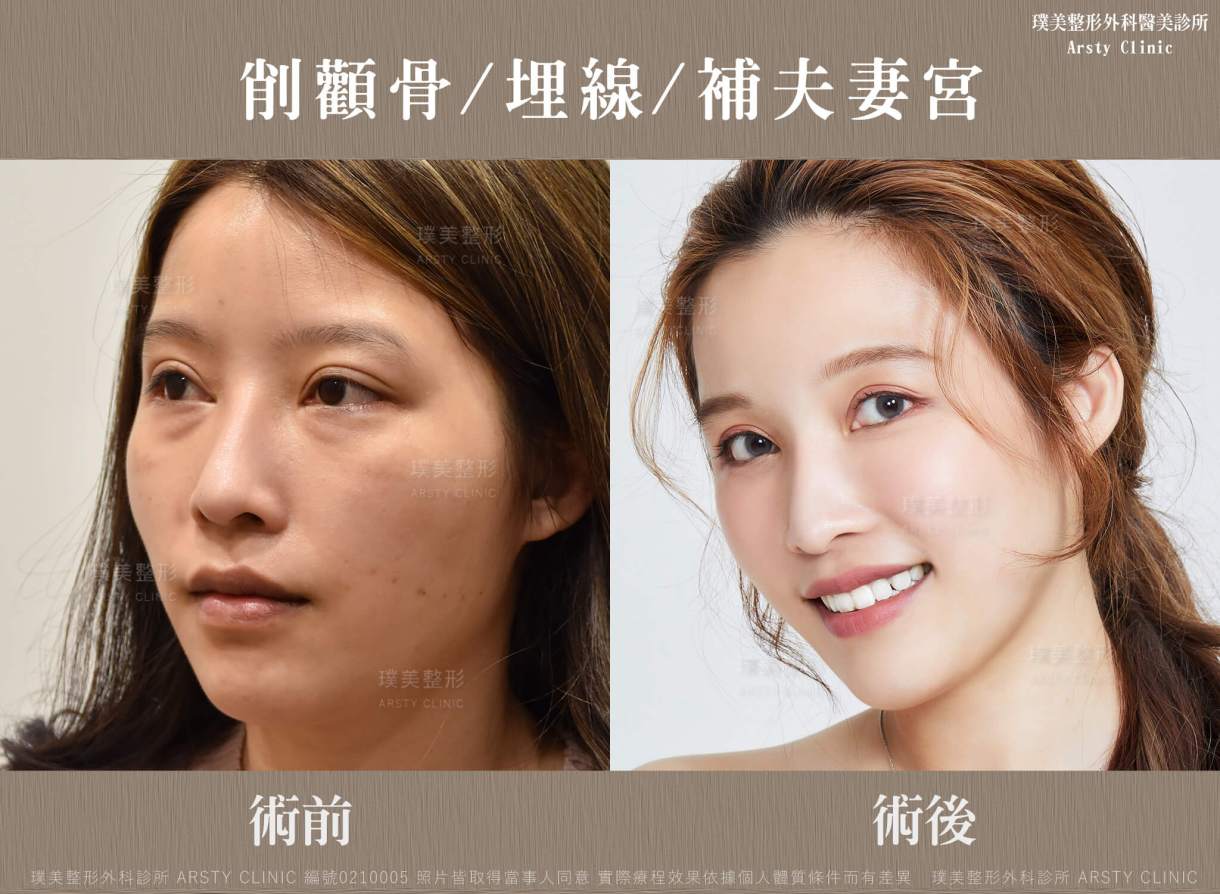
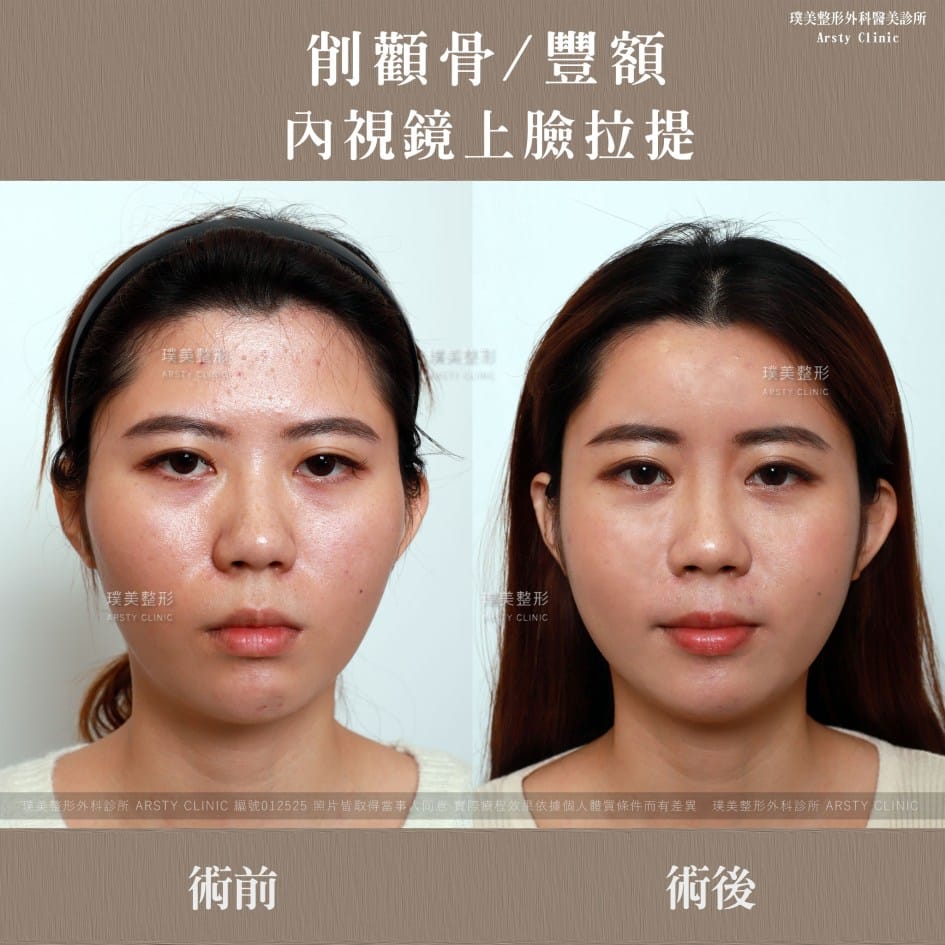
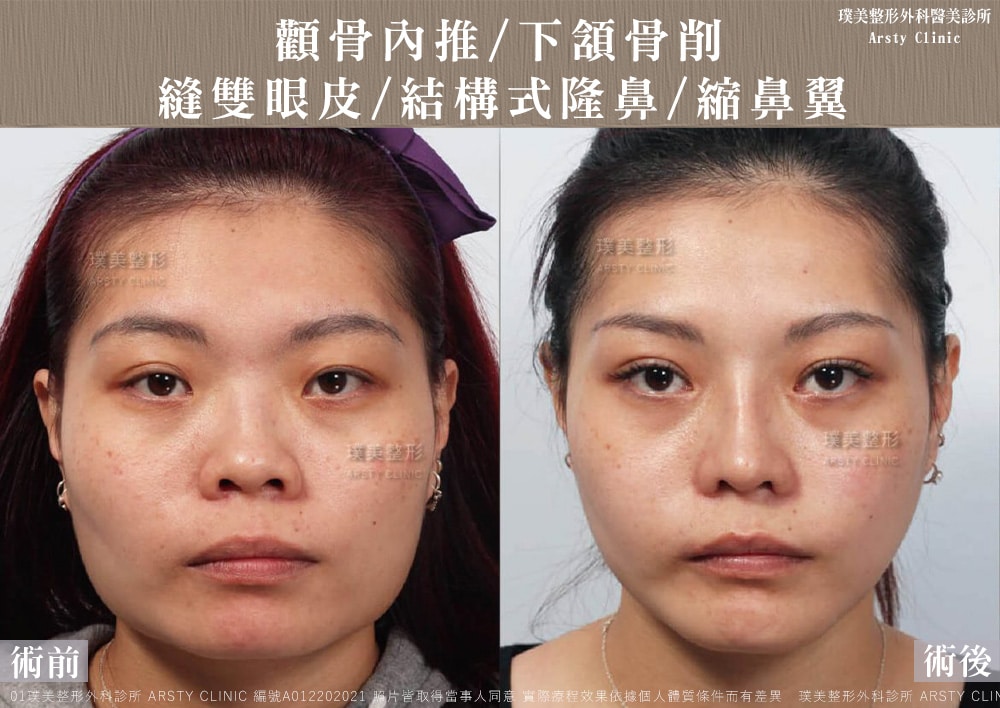
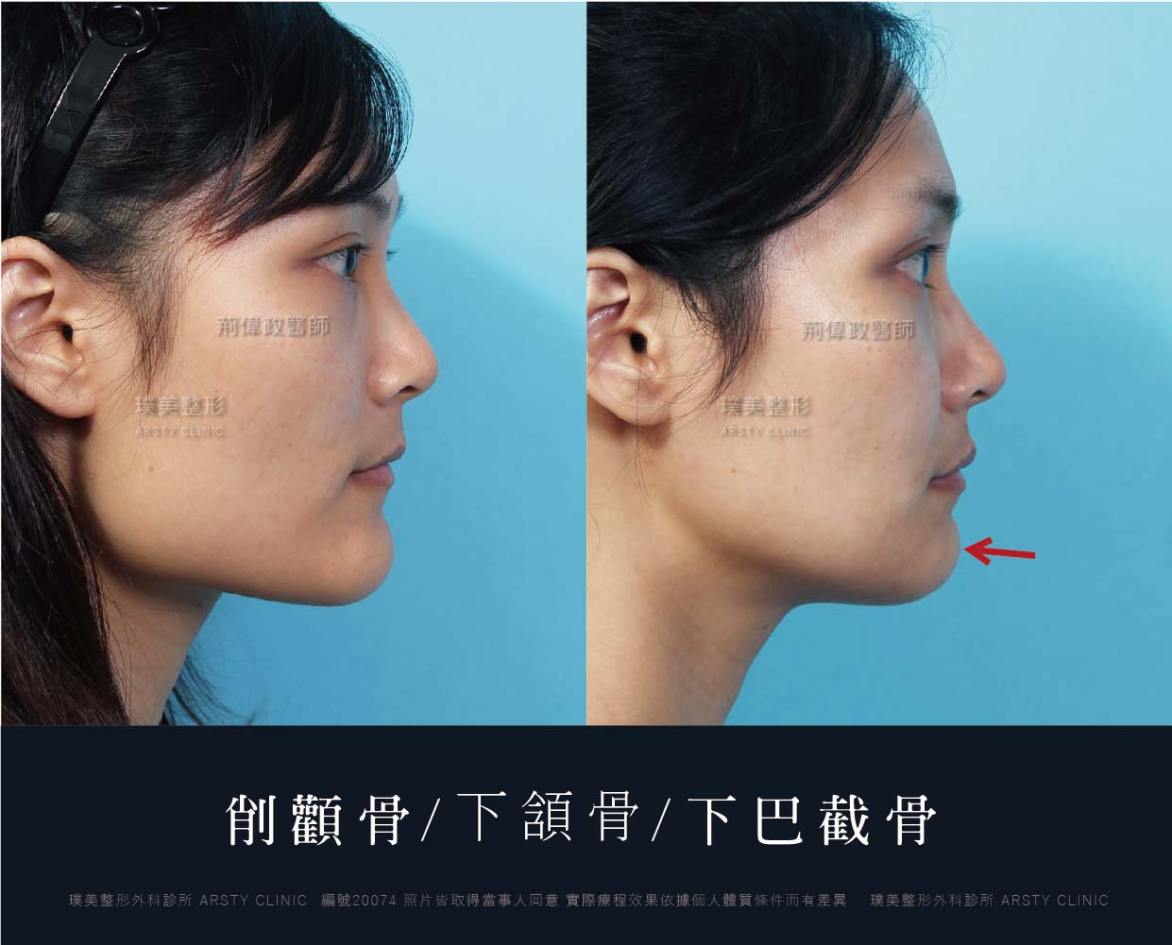
Comparison of costs and prices for bone reduction surgery
Many people want to undergo jaw reduction surgery, and the cost of the procedure is naturally a major concern. Depending on the surgical site, the costs range from lowest to highest as follows: Genioplasty for shortening and lengthening, cheekbone reduction and mandibular angle reduction, V-Line surgery, and customized full-face bone reshaping.
It is important to note that jaw reduction surgery is a highly specialized procedure and not all cosmetic clinics can perform it. The cost of jaw reduction surgery varies greatly, not only due to the cost of the medical materials used during the procedure, but also largely due to the expertise of the medical team. After all, only professional expertise can guarantee the necessary safety and effectiveness! Please remember that price should not be the primary consideration when choosing a clinic. We welcome you to visit our clinic for a consultation, a jaw reduction surgery assessment tailored to your needs, and to understand the accurate cost of jaw reduction surgery.
How to choose a suitable bone reduction surgeon?
Jaw reduction surgery doesn't mean that the more bone is removed, the more beautiful it will be. The entire face is divided into several sections. How to grasp the proportions of each section, achieve harmony of facial features, and create a suitable facial contour is a technique that greatly tests the doctor's aesthetic sense and experience. Therefore, it is very important to choose a doctor with rich clinical surgical experience, who is good at reconstructing proportional beauty, has professional equipment, and is trustworthy.
Elite Plastic Surgeons - Comprehensive Surgical Physicians
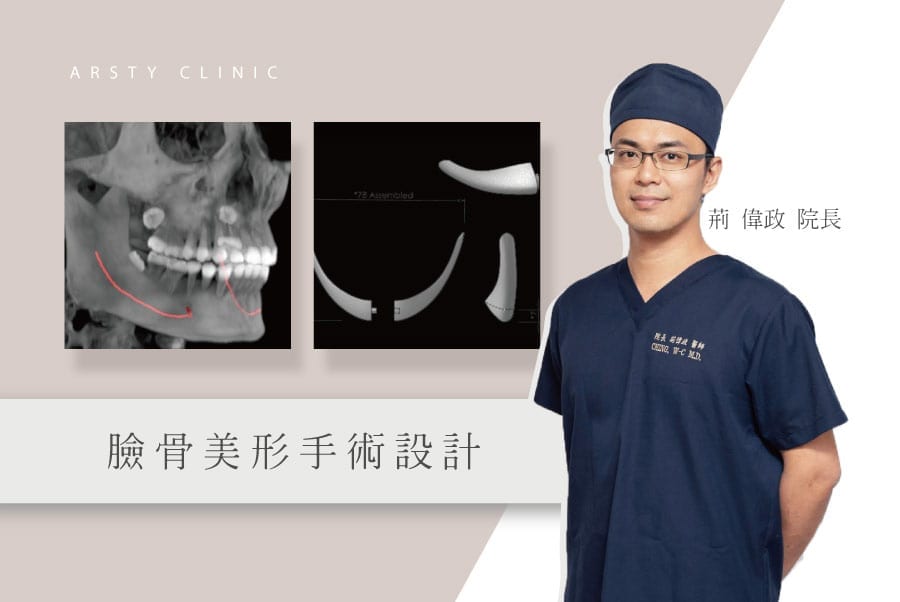
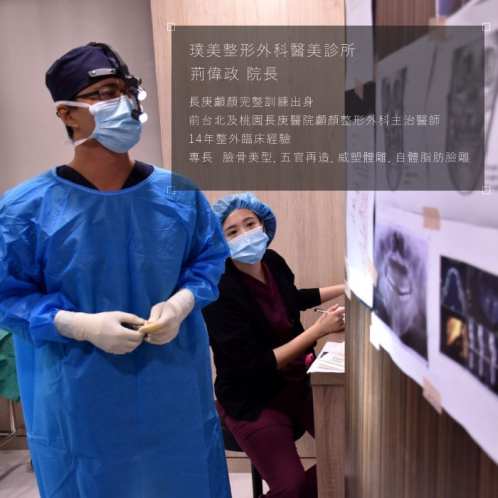
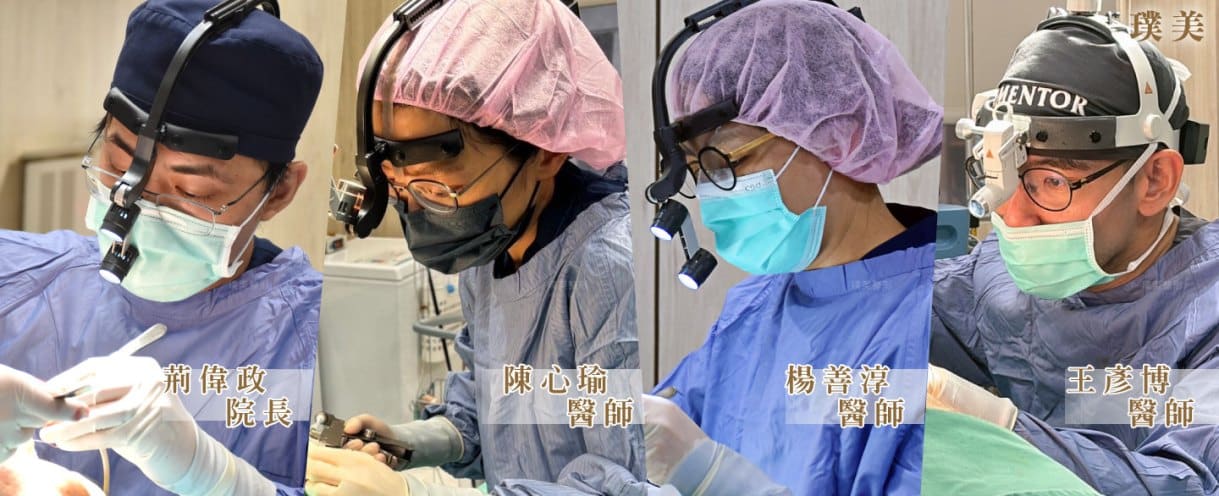
Dr. Wei-Cheng Ching, the director of Arsty Clinic, specializes in bone reduction, jaw Orthognathic Surgery, and facelift surgery. He has extensive research and clinical experience in facial bone and fascia tissue, and is dedicated to researching surgical methods that achieve natural aesthetics, surgical safety, inconspicuous scars, and short recovery periods. He is an authoritative physician in the industry who combines bone reduction, jaw Orthognathic Surgery, and facelift.
Dr. Wei-Cheng Ching's speech at the 2022 Chang Gung Craniofacial Surgery Association

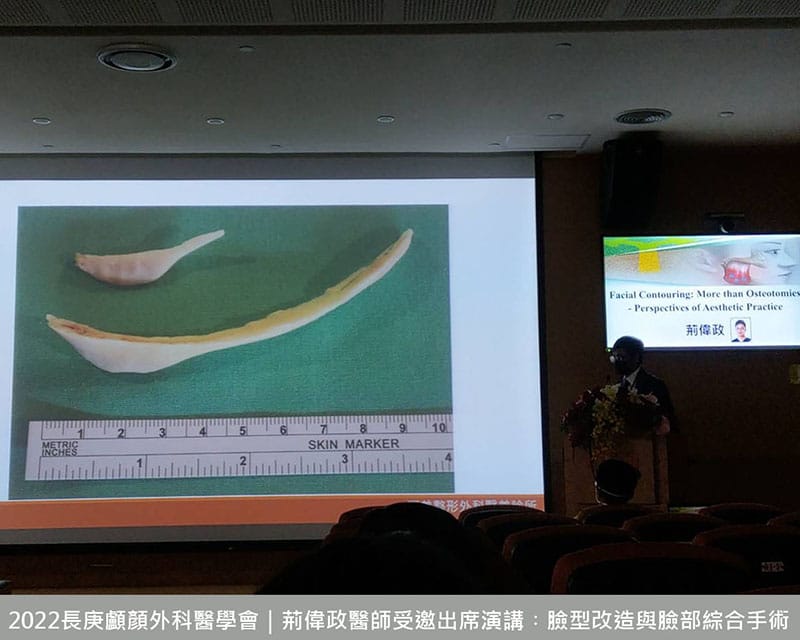
Jaw reduction surgery procedure

Arsty Clinic Advantages
• Top-notch medical team in the industry
Dr. Wei-Cheng Ching is a graduate of Chang Gung Craniofacial Surgery and a world-renowned senior attending physician in craniofacial and orthognathic plastic surgery at Taipei, Linkou, and Chang Gung Memorial Hospitals. He received comprehensive craniofacial surgical training and has nearly 20 years of senior plastic surgery experience. With rich clinical surgical experience, he has honed stable surgical results through years of medical center training and surgical experience. He specializes in bone reduction, Orthognathic Surgery, facelift surgery, etc. He is good at adjusting, designing, and reconstructing facial proportions. He has a professional aesthetic sense and can create personalized facial proportions according to different needs and conditions.

• One-stop medical aesthetics, high-end medical services for a positive experience
Arsty Clinic's team of doctors has over 14 years of experience as senior attending physicians, providing you with customized plastic surgery and aesthetic services from head to toe. They specialize in overall facial feature reconstruction and body contouring, allowing you to complete your cosmetic and medical aesthetic procedures in one session under safe anesthesia standards.
Facial cosmetic surgery procedures: eyelid surgery, nose surgery, facial contouring, chin augmentation, face reshaping, etc.
Cosmetic body surgery procedures: breast augmentation, liposuction, abdominoplasty, postpartum abdominal cosmetic surgery, etc.
Minimally invasive cosmetic procedures: Phoenix radiofrequency, ultrasound skin tightening, hyaluronic acid injections, and other minimally invasive treatments.
Intimate area treatments: Intimate area beautification, intimate area tightening surgery (all-female medical team)
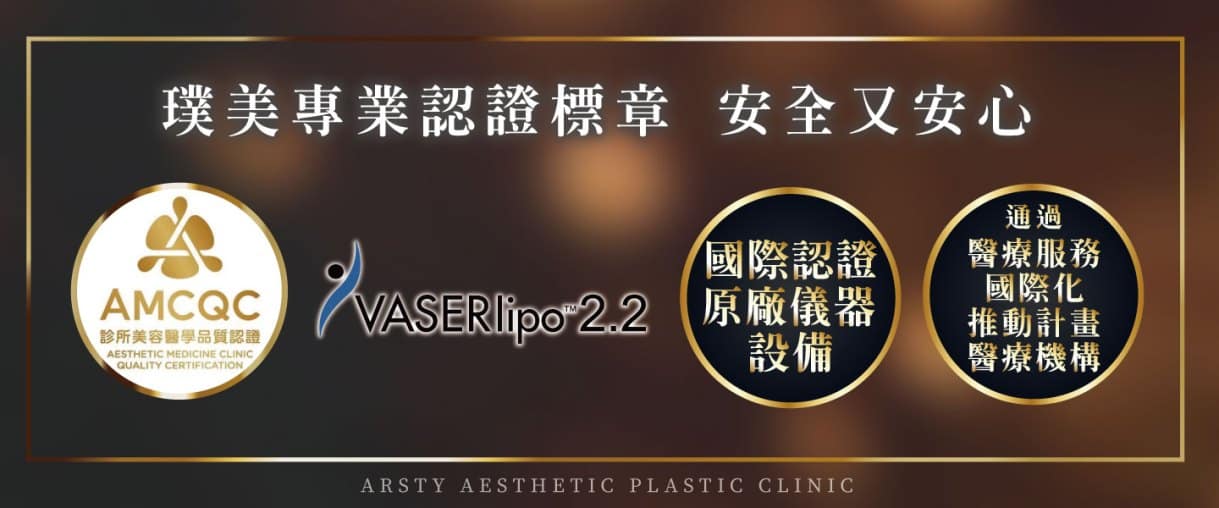
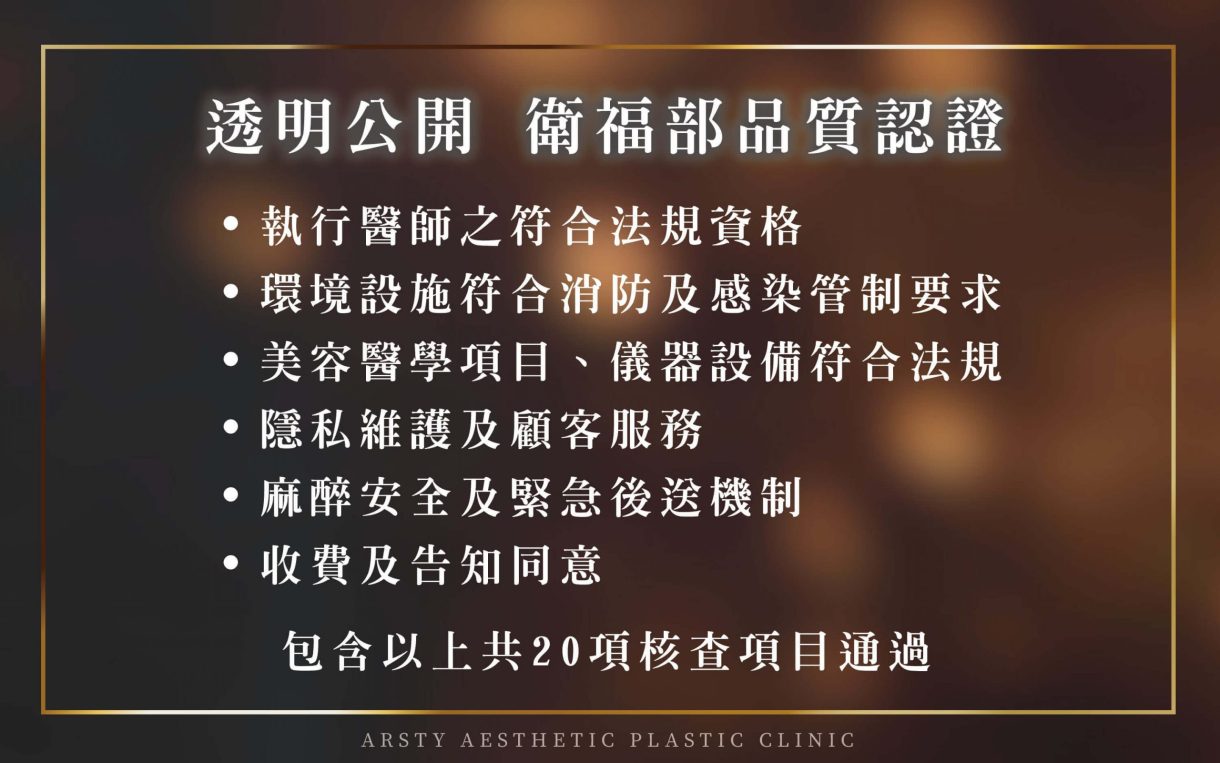
Certified high-quality clinic brands. Recommended by ordinary people.
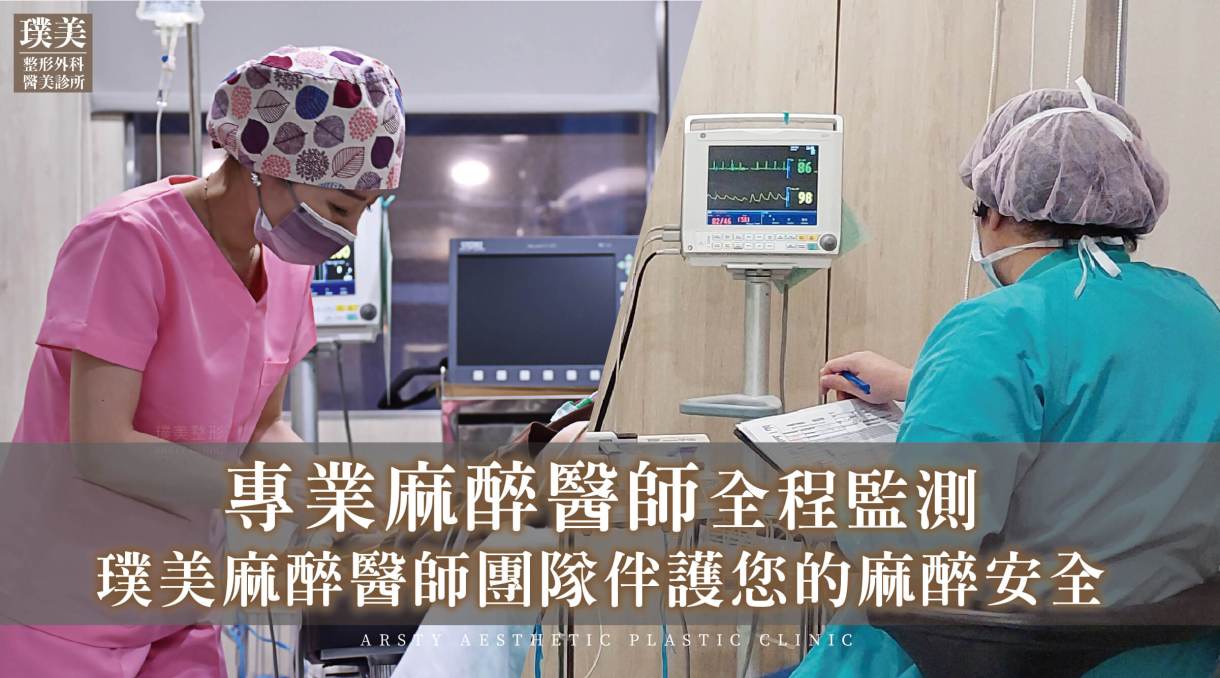
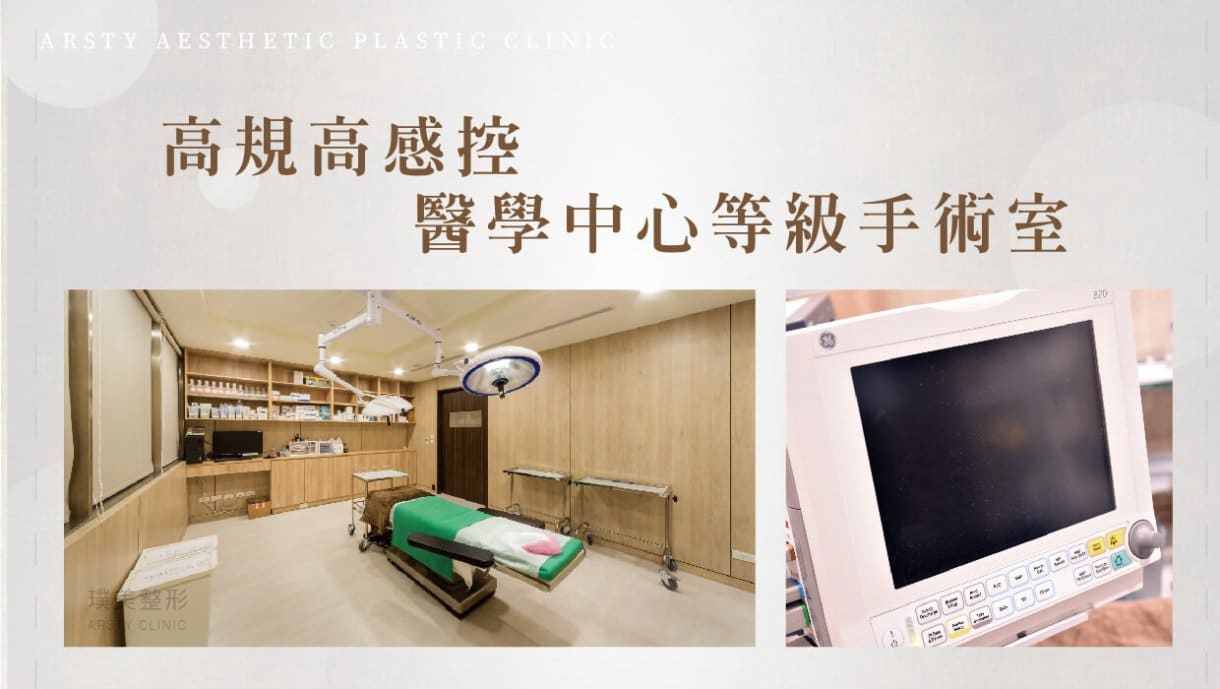
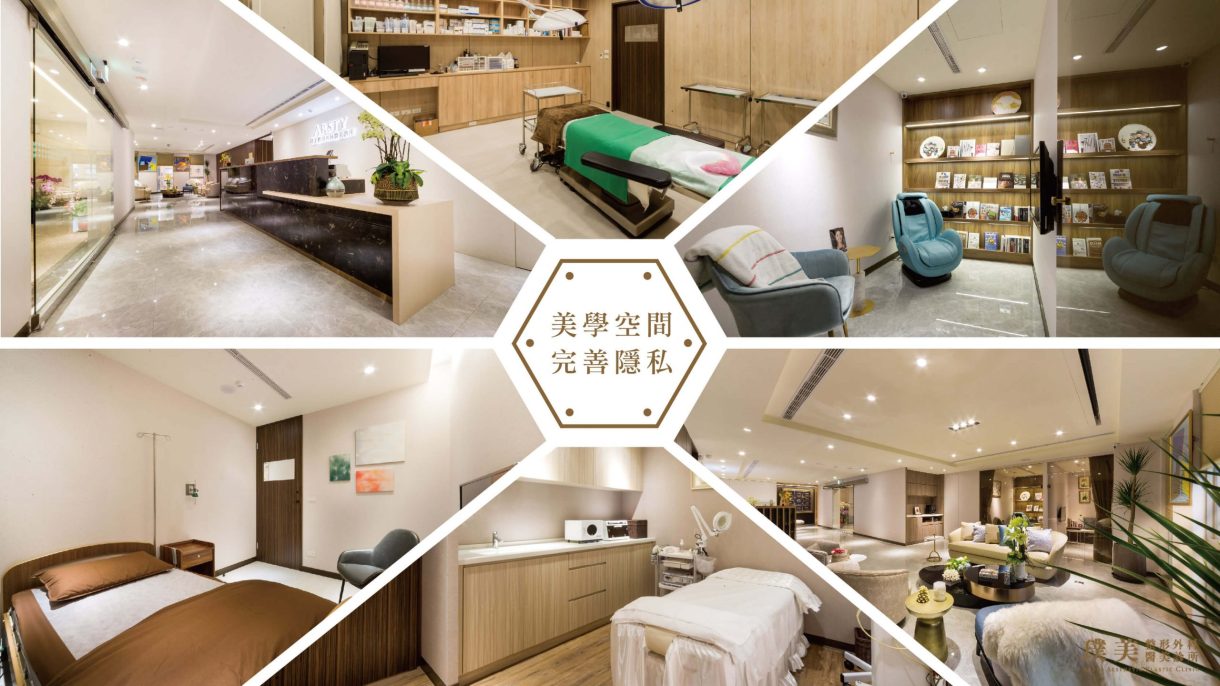
Ensuring surgical safety is our priority.



Frequently Asked Questions
Q: How long is the recovery period after jaw reduction surgery? Will my face be very swollen?
A: Postoperative recovery is highly dependent on individual constitution. Since facial blood vessels and tissues need time to heal after surgery, the face will generally be quite swollen for 2-3 days after surgery. Usually, the swelling will subside significantly within two weeks after surgery. It is recommended to apply ice in the early stage and apply heat in the later stage to accelerate healing and reduce swelling.
Q: Will jaw reduction surgery on a square face affect or remove the masseter muscle?
A: Simple bone reduction surgery does not affect the masticatory muscles, but masticatory muscle reduction surgery can be performed at the same time depending on the situation. After the surgery, normal chewing function will not be affected, but the lower face width caused by masticatory muscle hypertrophy can be reduced.
Q: Can a protruding chin be corrected by bone shaving alone?
A: A simple protruding or overly long chin can be improved with Genioplasty. However, if it is accompanied by a protruding lower jaw or malocclusion (third-degree occlusion), Orthognathic Surgery is required to improve the root cause of the problem.
Q: Is bone reduction surgery the only way to correct a face that is too large?
A: A wide face isn't always caused by bone structure. Hypertrophic masseter muscles, facial fat accumulation, and sagging skin are all possible causes. Therefore, besides bone reduction surgery, other treatments such as Botox injections to improve hypertrophic masseter muscles, facial liposuction, removal of intraoral fat, and facelifts can all help improve a wide lower face, depending on the specific situation.
Q: Will bone reduction surgery be very painful?
A: Many people worry about the pain during surgery. Arsty Clinic understands your concerns. We use sedation anesthesia and have a specialist anesthesiologist accompany you throughout the procedure to adjust your condition as needed. Therefore, you don't need to worry too much during the surgery. Post-operatively, we will also implement appropriate pain relief measures. Additionally, we can arrange far-infrared irradiation and restorative IV drips to help shorten the recovery period. Everyone's pain tolerance is different, but with our extensive experience, we will help you recover quickly during the initial weakened recovery period and welcome your new self with a relaxed mind. If you have any special circumstances before surgery, we recommend discussing them with your doctor during the consultation so that we can adjust your post-operative care according to your individual needs.
Q: Are there any side effects or risks of failure after jaw reduction surgery?
A: Jaw reduction surgery has a long history in medicine. Occasionally, patients may experience temporary numbness, difficulty opening their mouth, or a tingling or numb sensation in their facial nerves after the surgery. It is important that the patient undergoes the surgery in an experienced and qualified anesthesia environment. Most importantly, the doctor must have rich experience and professional skills, and the patient must receive comprehensive care. Patients should consult with the doctor in person before the surgery, follow the doctor's instructions after the surgery, and take medication and return for follow-up appointments on time. This can reduce the risk of secondary jaw reduction or jaw reduction failure. Our hospital will arrange the above-mentioned jaw reduction surgery process for patients to make them feel more at ease.
Q: What is a complex bone-shaving surgery?
A: Arsty Clinic's minimally invasive, scarless bone reduction surgery can be performed as one or more complex facial contouring procedures depending on individual circumstances. This includes bone cutting, bone removal, or 3D repositioning of the facial bones to create a smoother overall facial contour. For example, a bone reduction surgery package can be combined with Orthognathic Surgery, Chin Augmentation, Chin Augmentation, and a subtle midface lift.
Q: Postoperative care instructions
Facial swelling is generally most pronounced on the 2nd-3rd day after surgery and will significantly subside within a week. Follow the instructions of your nurses to apply ice to your face. You can use ice packs or ice towels to apply ice to your cheeks or sides of your nose for 15 minutes. Avoid keeping your head low; when resting in bed, it is recommended to elevate your head with 2-3 pillows to reduce swelling. If the swelling persists or significantly increases after surgery, please contact the clinic staff for evaluation and treatment as soon as possible. Sore throat may occur after surgery due to the use of a breathing tube. Try cold drinks or ice cream to relieve sore throat; this should disappear after 2-3 days. Avoid hot or spicy foods after surgery, as these can cause oral discomfort and may increase swelling or bleeding. Cold foods can relieve oral and throat discomfort. The extent of your diet after facial contouring can be determined based on your individual recovery progress. Postoperative recovery depends on individual physical condition and ability to move freely. Generally, resuming eating and physical activity as soon as possible facilitates a positive recovery cycle (eating → physical activity → appetite → eating). If appetite is poor, at least drink plenty of fluids, or try cool liquid foods or high-calorie ice cream. Postoperative fever may occur around 3 days after surgery due to sputum buildup in some alveoli caused by general anesthesia. This is not a sign of wound infection and usually improves with increased fluid intake and activity. Prolonged bed rest during the day is not recommended, as lying down hinders lung expansion and sputum expulsion. Postoperative bleeding and hematoma are rare in facial bone surgeries performed subperiosteally, but bleeding at the bone incision site is possible. A small amount of nasal bleeding may occur 3-5 days post-surgery due to incisions in the sinuses; these wounds will heal on their own. Applying ice and moderate pressure to the wound can reduce bleeding. If bleeding persists, please contact clinic staff. We will assess and treat you as soon as possible. If your hemoglobin level is too low, a blood transfusion may be necessary. Wound Cleaning and Care: Since the surgical wound is inside the mouth, it is considered a contaminated wound. Maintaining oral hygiene, proper wound care, a regular lifestyle, and avoiding unhealthy habits can all reduce the chance of infection. It is strongly recommended to avoid smoking, staying up late, eating regularly, and keeping your mouth clean to reduce the risk of infection. Rinse your mouth immediately after eating with mouthwash and brush your teeth 2-3 times a day. Post-operative wound inflammation may occur, requiring oral antibiotics. Most cases will improve on their own, but a small number may require antibiotic injections or drainage of abscesses. Wound Healing Time: Oral metabolism is good, and sutures usually fall out naturally within two to three weeks due to hydrolysis, without the need for removal. In a few cases, due to poor absorption, sutures may not fall out naturally and require removal. Bone Healing Time: The surgical osteotomy site is firmly fixed using mini-plates and screws made of titanium alloy, so there is no need to worry about affecting bone stability when speaking or sleeping on your side after surgery. Generally, the osteotomy site will begin to heal within six weeks after surgery, but complete healing may take up to six months. Therefore, it is recommended that you avoid any sports that may involve impact for three months after surgery. Abrasions around the lips and mouth may occur because the procedure is performed inside the mouth, and the insertion and removal of instruments may cause superficial damage to the surrounding skin. These abrasions usually heal within one to two weeks and typically do not leave scars. Avoid facial movements that cause strain or congestion, such as tilting the head forward, forcefully sneezing (blowing the nose), or straining to urinate, as these actions may increase the chance of facial swelling or bleeding. Avoid eating through a straw for one week after surgery to prevent food from entering the wound due to negative pressure inside the mouth. – Mid-face lift with hidden scars
Surgical contraindications
If you have any of the following conditions, please discuss with your doctor before deciding whether to undergo surgery: 1. Coagulation disorders, low platelet count, severe anemia, etc. 2. Autoimmune system problems (such as lupus, low white blood cell count) 3. Severe heart disease or wearing a pacemaker 4. Severe respiratory diseases or severe asthma 5. Abnormal liver and kidney function, high liver and kidney enzyme levels 6. Patients with psychosomatic disorders (depression, bipolar disorder, delusions, etc.) 7. Pregnant or breastfeeding women 8. Colds, fever, unexplained inflammatory reactions (high white blood cell count) 9. Keloid constitution 10. Allergy to anesthetic drugs 11. Patients with high/low blood pressure 12. Patients with diabetes 13. Patients with infectious diseases (AIDS, syphilis, etc.)
If you have any of the following conditions, please discuss with your doctor before deciding whether to undergo surgery: 1. Coagulation disorders, low platelet count, severe anemia, etc. 2. Autoimmune system problems (such as lupus, low white blood cell count) 3. Severe heart disease or wearing a pacemaker 4. Severe respiratory diseases or severe asthma 5. Abnormal liver and kidney function, high liver and kidney enzyme levels 6. Patients with psychosomatic disorders (depression, bipolar disorder, delusions, etc.) 7. Pregnant or breastfeeding women 8. Colds, fever, unexplained inflammatory reactions (high white blood cell count) 9. Keloid constitution 10. Allergy to anesthetic drugs 11. Patients with high/low blood pressure 12. Patients with diabetes 13. Patients with infectious diseases (AIDS, syphilis, etc.)


* If you have cardiovascular disease, coagulation disorders, respiratory diseases, liver or kidney dysfunction, autoimmune diseases, psychosomatic medical history, infectious diseases, or are pregnant or breastfeeding, please inform us before the procedure so that we can fully understand your health condition and assess the suitability and safety of the treatment.
*The images and text are shared with the consent of the individuals involved. The pre- and post-operative photos are for educational purposes only. All rights reserved. Reproduction is prohibited. Results vary depending on individual constitution and should be based on a doctor's diagnosis.