Double eyelid surgery

Surgery timeApproximately 45 minutes

Anesthesia methodsLocal anesthesia

Suture removal timeSutures removed 7 days after surgery

Postoperative recoveryApproximately 7-14 days
Common types of unsatisfactory double eyelid surgery seen in outpatient clinics
• Asymmetry
• Untreated levator palpebrae superioris muscle weakness
• Loose eyelid
• Uneven eyelid crease and noticeable scars
Double eyelid scar revision
Common problems with double eyelid scars
- Obvious scars or depressions when the eyes are closed:The incision site for double eyelid surgery may form a deep indentation or unevenness, which is especially noticeable when the eyes are closed.
- When I open my eyes, I feel a strip of meat.The double eyelid crease is deep, and the tissue below the crease is relatively thick, making the double eyelid look swollen and unnatural.
- High-level adhesion:If the original double eyelid is fixed in a high position or there is tissue adhesion, it may make the double eyelid look too wide or the crease too deep.
- Triple eyelids or multiple creases:Insufficient internal eyelid tissue, sunken eye sockets, or unexpected adhesions after surgery can all cause an additional crease to form above the original double eyelid.
How to repair double eyelid scars?
Double eyelid scar revision is not simply about removing the original scar. It requires reassessing the skin, orbicularis oculi muscle, fat, original fixation position, and degree of internal adhesion, and then making adjustments based on the actual conditions.
During the surgery, it may be necessary to loosen the existing adhesions, readjust the fixation position and crease of the double eyelid; if there is insufficient tissue or obvious depression at the original incision site, the surrounding tissue that can be preserved may be used for repositioning or filling, to re-establish a more natural tissue layer between the double eyelid line and the deep tissue, in order to reduce the chance of unnatural adhesions forming again.
Because revision surgery deals with eyelids that have already undergone surgery, resulting in scarring and tissue changes, the surgical conditions are usually more complex than the first double eyelid surgery. In particular, if a significant amount of skin, fat, or muscle tissue has been removed in the past, the available tissue is limited, and the actual degree of improvement will be affected by the original eyelid condition and scarring. Therefore, a detailed evaluation by a doctor is necessary before surgery to plan a suitable revision method.
Inner and outer canthoplasty
In what situations might an evaluation for epicanthoplasty reconstruction be necessary?
The extent of lateral canthoplasty is not necessarily better the more it is performed. It's essential to consider the original eye spacing, epicanthal folds, nasal bridge and orbital bone conditions, as well as the overall proportions of the facial features. If any of the following conditions have occurred after previous lateral canthoplasty, a doctor can further evaluate whether revision lateral canthoplasty is necessary:
- Too much eyelid surgeryExcessive exposure of the inner corner of the eye causes a significant change in the distance between the eyes or the original proportions of the eye shape.
- The caruncle is more exposed.The presence of more red tissue on the inner corner of the eye can visually make the eyes appear sharper.
- Obvious inner corner scarAfter canthoplasty or double eyelid surgery, the incision scar extends to the inner corner of the eye, forming a noticeable mark.
- Unnatural shape of the inner corner of the eyePostoperative asymmetry may occur in the inner corner of the eye, its angle, or between the left and right sides.
How is canthoplasty performed?
Reconstruction of the inner corner of the eye is not simply about "stitching back" the opened inner corner of the eye. It requires a redesign based on the original surgical method, the amount of remaining skin, the location of the scar, and the condition of the inner corner of the eye tissue.
In some cases, the existing skin and tissue around the inner corner of the eye can be used to perform flap transfer or reconstruct the epicanthal fold to appropriately cover the overexposed inner corner of the eye. If there is also significant depression or insufficient tissue, it may be necessary to combine other tissues for repair. The actual surgical method still needs to be determined based on the individual's condition of the inner corner of the eye.
Features of our hospital's double eyelid surgery
• Preoperative simulation assessment
• Less postoperative swelling
• Intraoperative adjustments to reduce asymmetry
• The surgical design facilitates possible future revisions or minor adjustments.

Witness Cases
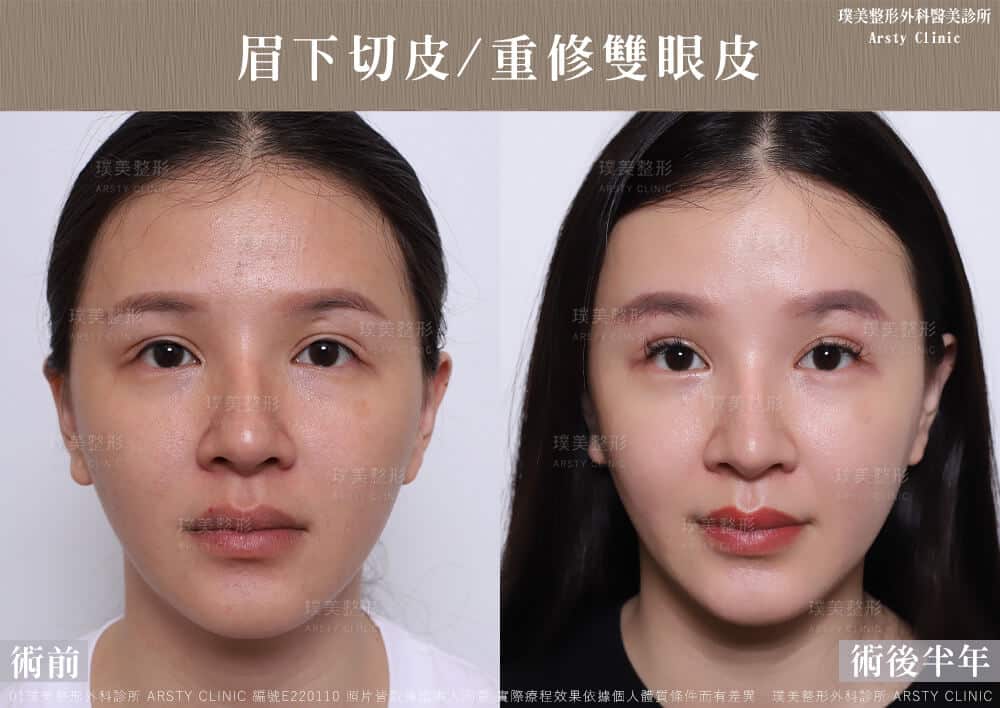
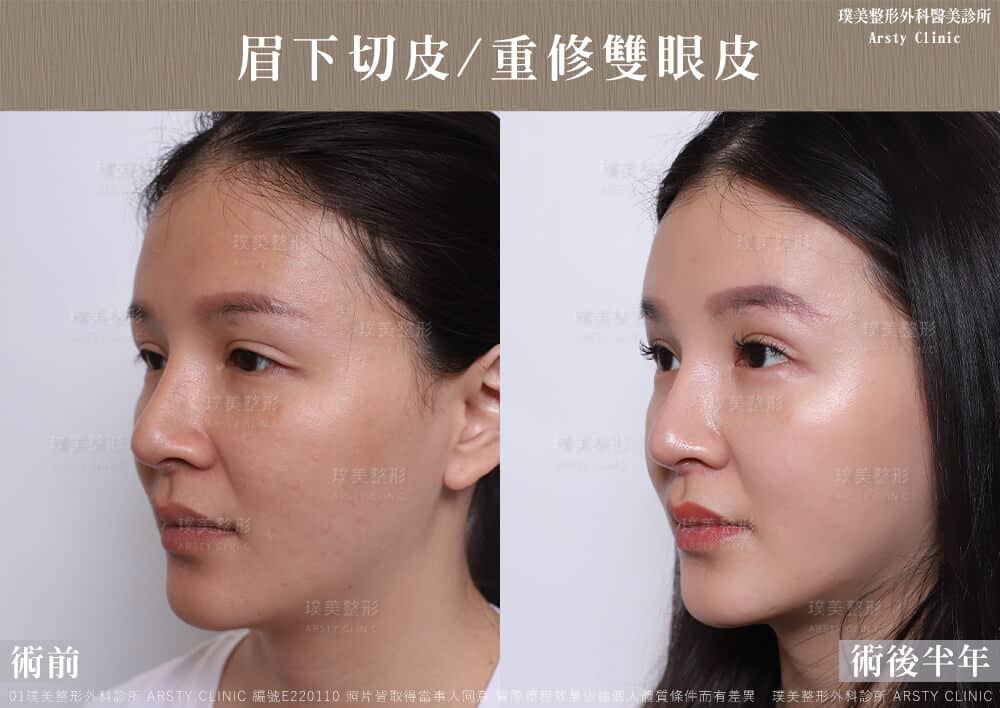

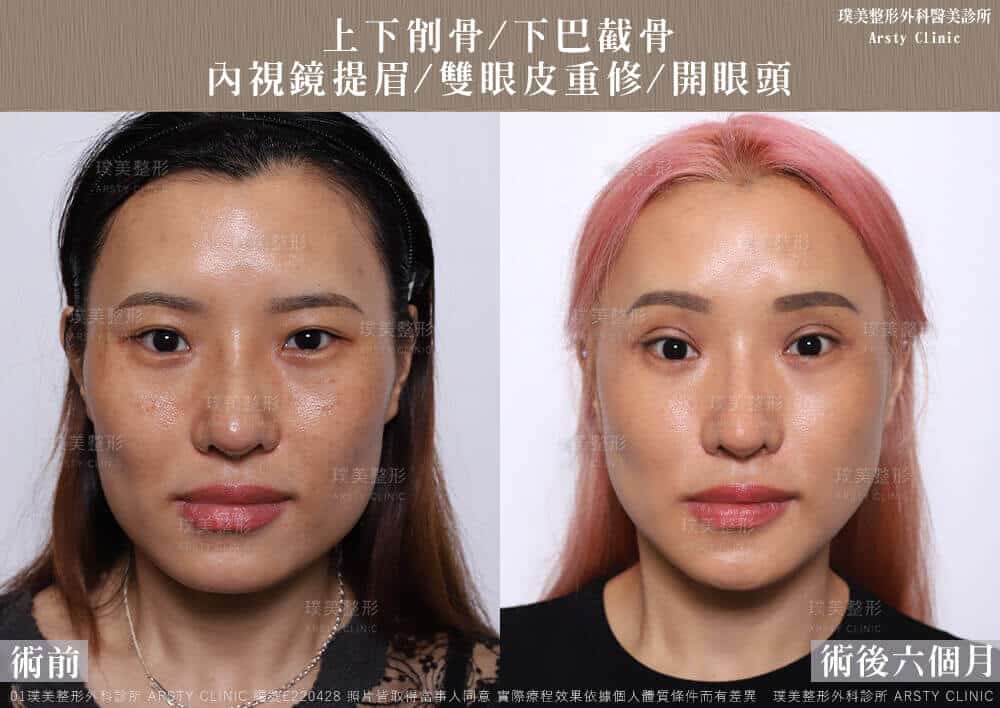





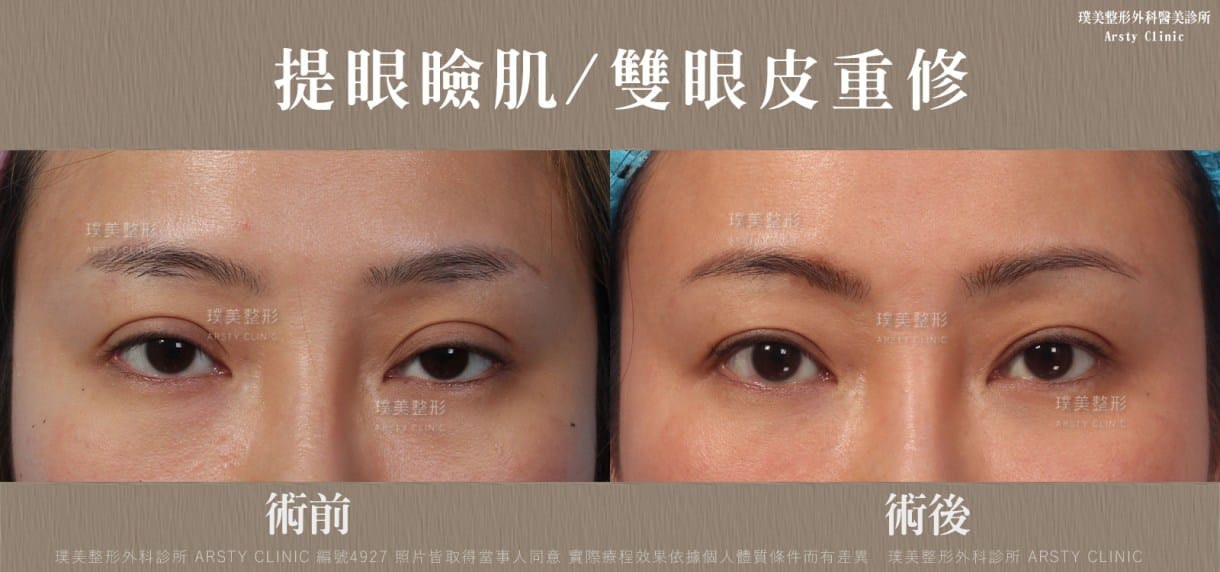


Preparation for double eyelid revision surgery
• When consulting about double eyelid revision surgery, please note that you should not wear makeup, double eyelid tape, or colored contact lenses (such as colored contact lenses or photochromic lenses). This will allow the doctor to assess and plan the surgery based on your natural double eyelid condition. If you have high myopia, you can wear clear contact lenses during the consultation to clearly see the doctor's simulation.
Double eyelid revision surgery repair
• After double eyelid revision surgery, the nursing staff will immediately assist with applying ice packs. After returning home, be sure to apply ice packs frequently to reduce postoperative bleeding and swelling, which will also help shorten the recovery period.
• After double eyelid revision surgery, it is essential to maintain a normal daily routine and develop good hygiene habits. Avoid smoking, drinking alcohol, and consuming spicy or irritating foods. Also, avoid lifting heavy objects to prevent affecting wound healing.
Arsty Clinic眼整形醫療團隊
Plastic surgeons customize exclusive electro-eye

Dr. Liu Chunxi
Master's Program in Clinical Medicine, Chang Gung University
Ophthalmology Resident Physician at Chang Gung Memorial Hospital
Researcher Training in the Department of Oculoplastic Surgery, Chang Gung Memorial Hospital
Former attending physician of oculoplastic surgery at Chang Gung Memorial Hospital
Researcher in the Department of Oculoplastic Surgery at Manhattan Eye and Ear Hospital, USA
Graduated from UCLA Facial Plastic Surgery Program
Ophthalmologists of the Republic of China

Dr. Wei-Cheng Ching
一二代VASER Liposuction原廠雙認證
Certification for Facelift Surgery Training in the United States, South Korea, and Japan
Japanese | Korean | Taiwanese Facial Plastic Surgery Training and Certification
Japan | South Korea | Taiwan Secondary Reconstructive Surgery Training and Certification

Dr. Hsin-Yu Chen
- 眼整形(雙眼皮手術、Ptosis Correction Surgery、眼袋手術等)、耳整形(招風耳手術)
- 視覺年輕化項目(Endoscopic Forehead Lift、法令紋澎澎術、消除頸紋、自體脂肪臉雕…)
- Vaginal cosmetic surgery (vaginal laser, radiofrequency ablation, G-spot augmentation, labia minora reduction, labia majora augmentation, etc.)
- 產後醫美門診(VASER Liposuction、Abdominoplasty、腹直肌縫合、肚臍整形…)
- Anti-aging regenerative medicine