


Cheekbone reduction/cheekbone shaving

Surgery timeApproximately 2-3 hours

Anesthesia methodsPostoperative suture removal

Suture removal timeApproximately 7 days

Postoperative recoveryApproximately 1-2 months
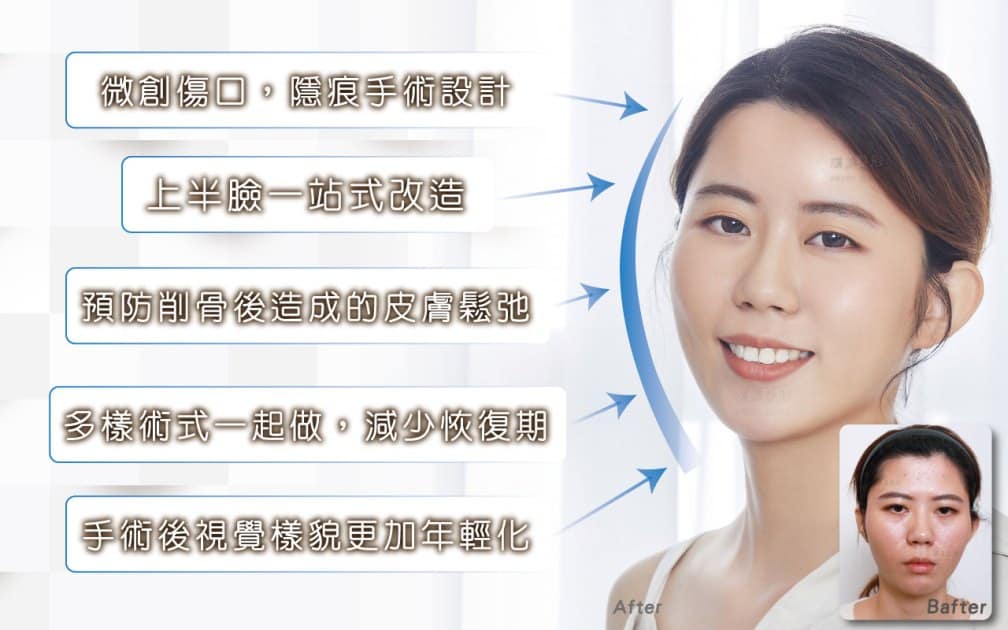
Do prominent cheekbones or high cheekbones give a person a menacing look?
Cheekbone reduction makes the facial contours smoother and more attractive, increasing approachability.
Facial contours are three-dimensionally formed from the inside out. Therefore, in addition to factors such as fat distribution, muscle size, and skin elasticity, the shape and size of the internal bone structure are also fundamental factors affecting facial shape. If the problem lies in the bone structure itself, even reducing fat or muscle will have a very limited effect on changing facial shape. Facial shape can be improved through bone reduction surgery evaluated by a professional doctor.

Arsty Clinic微創顴骨內推
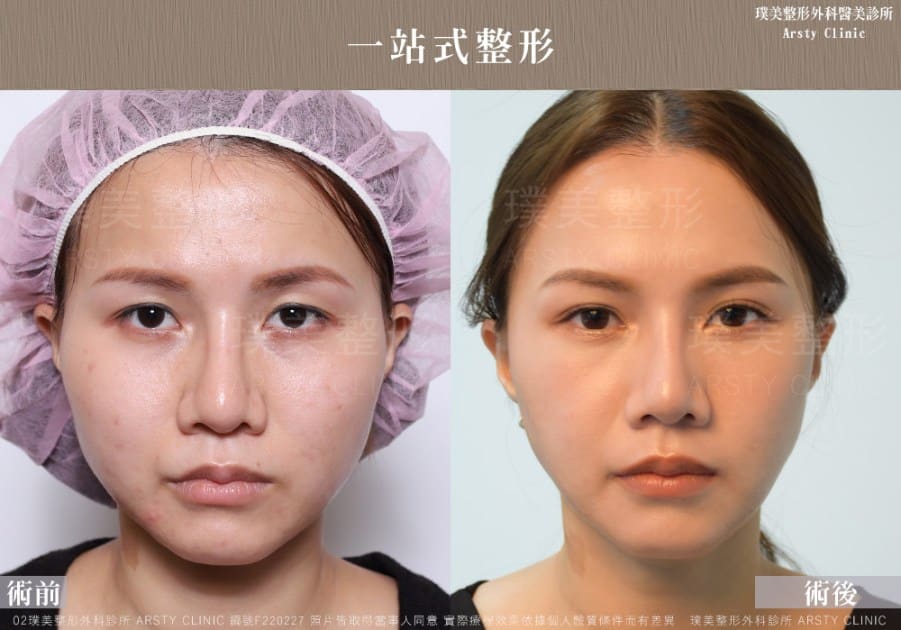
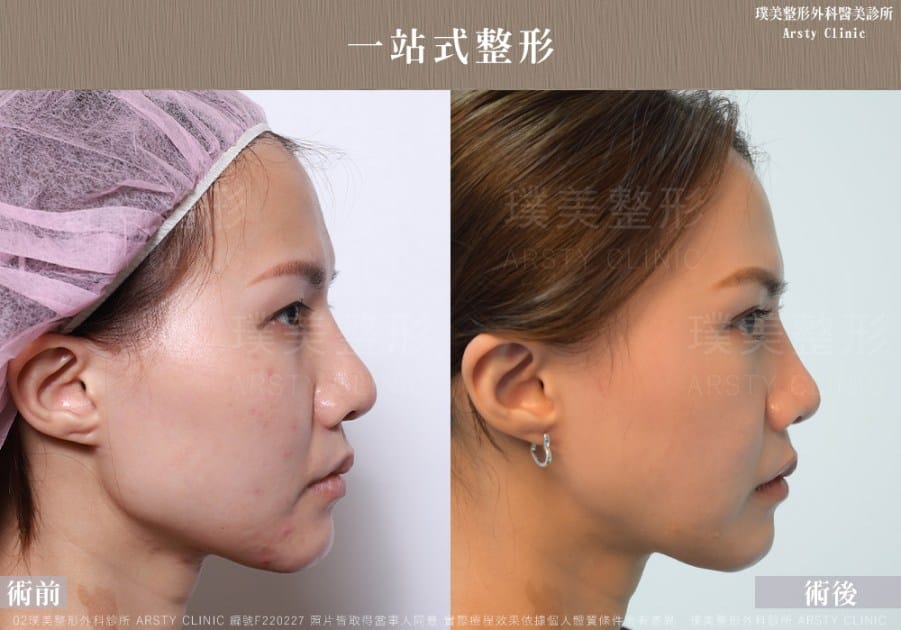
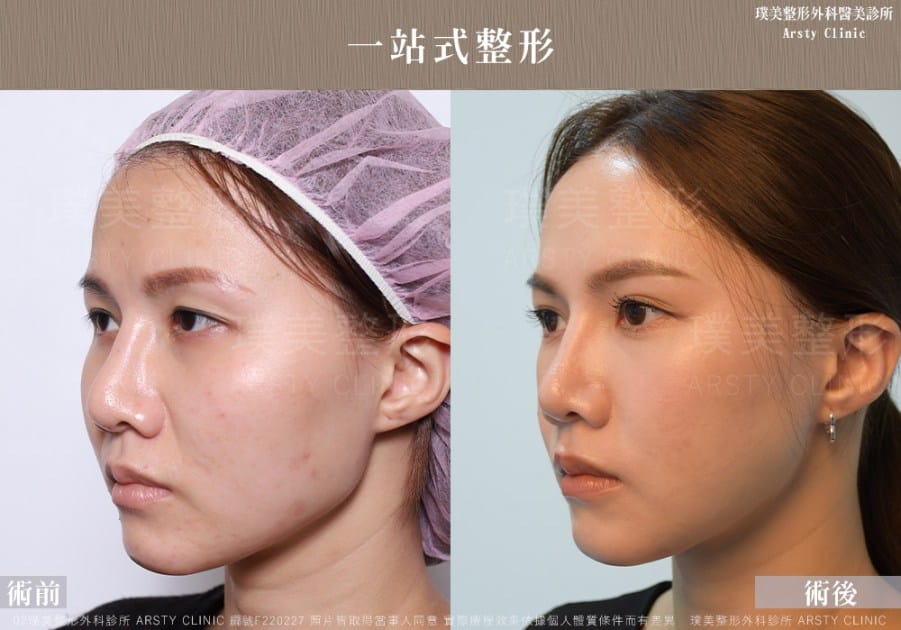
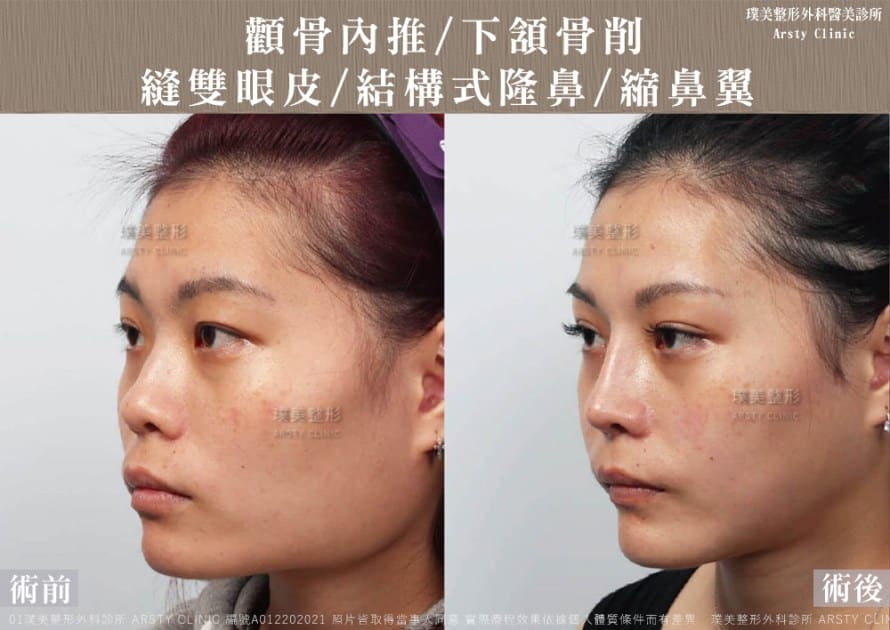
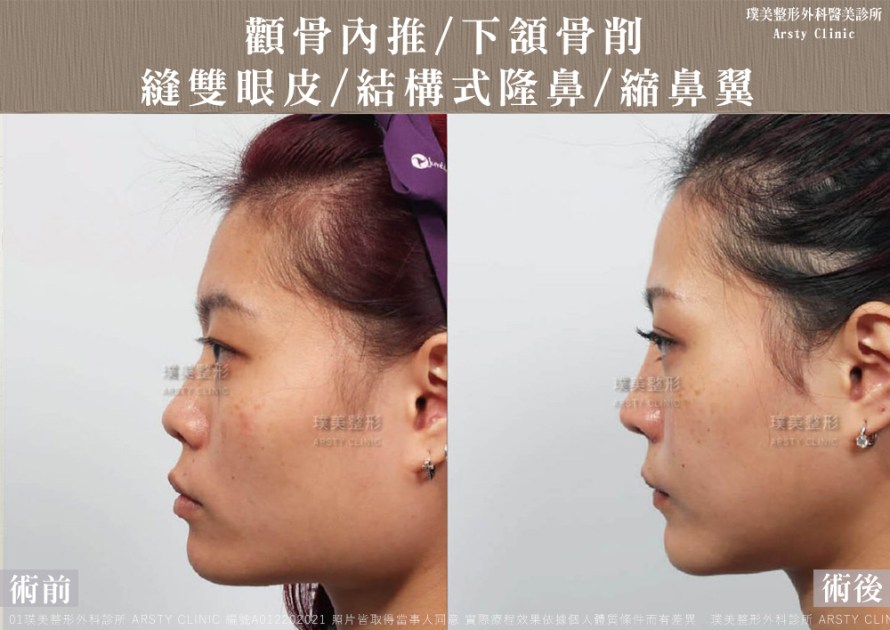
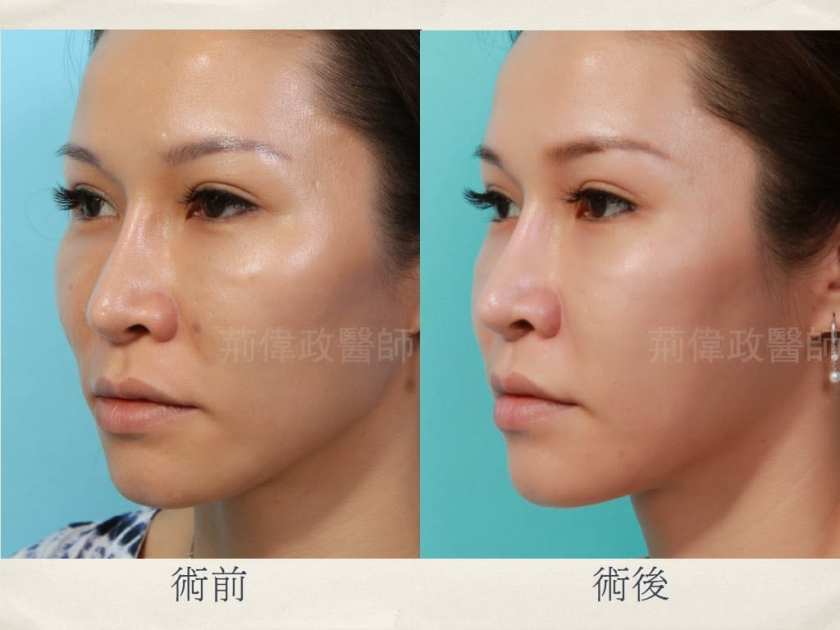
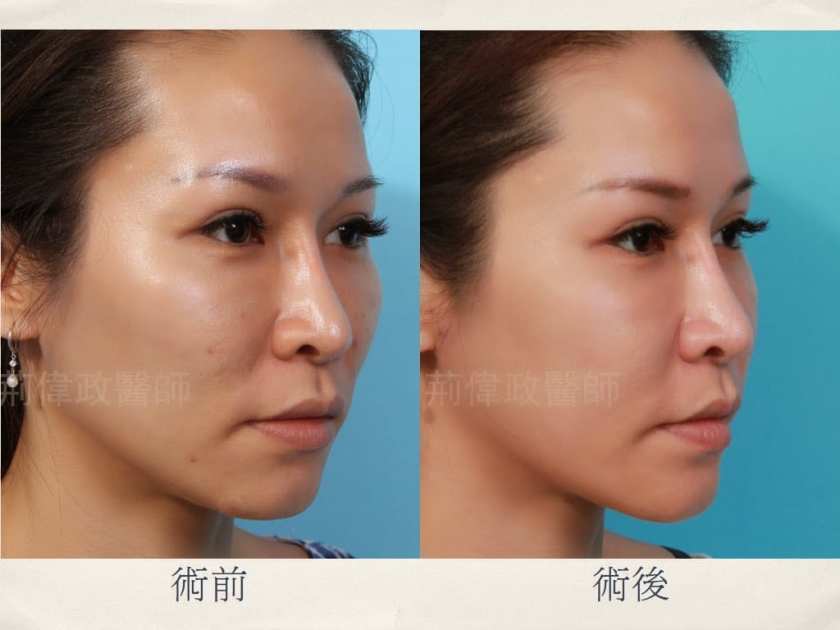
Cheekbone reduction is a permanent bone sculpting procedure. Unlike bone shaving surgery, cheekbone reduction surgery involves cutting open the zygomatic arch and then pushing the bone inward. This makes the cheekbone less noticeable when viewed from the front and at a 45-degree angle. After cheekbone reduction, the cheeks also appear narrower and smoother. Because it is not as extensive as bone shaving surgery, the recovery speed is naturally faster.
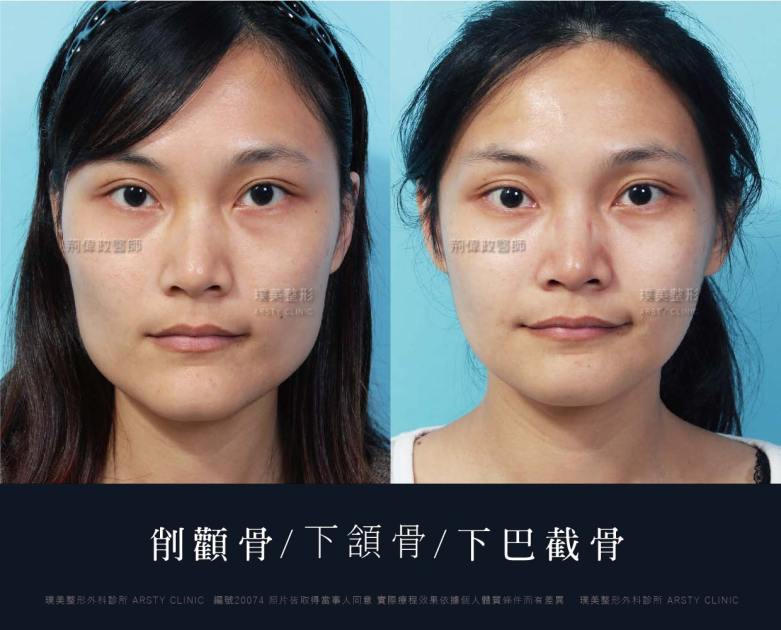
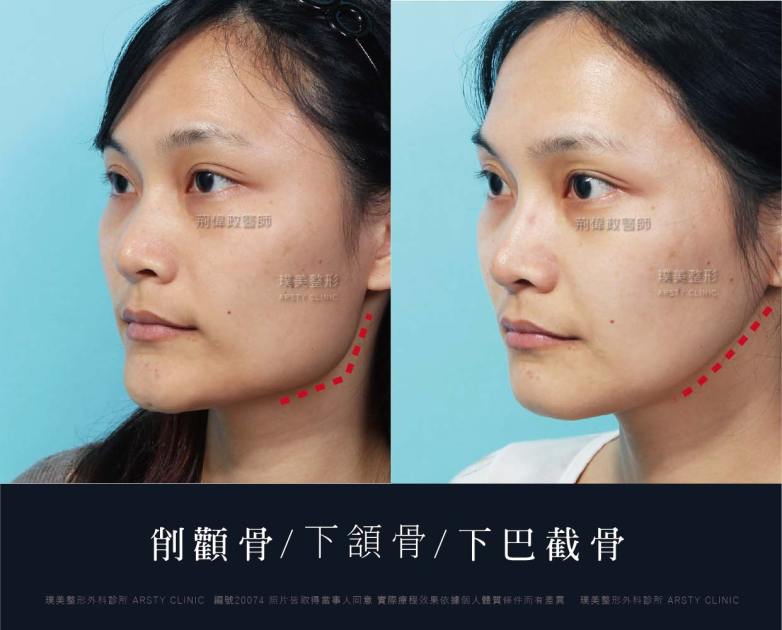
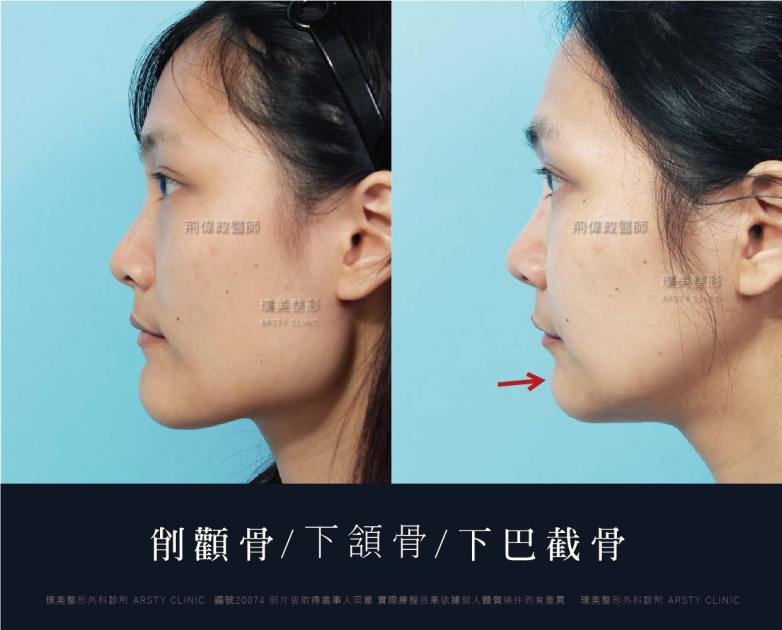
As shown in the example below, a face with prominent cheekbones not only makes the temples and cheeks appear sunken, but also gives a serious, unapproachable, or older impression. The principle of minimally invasive cheekbone reduction is to cut open the cheekbone area and then push and fix it inward, reducing approximately the outer 1/3 to 1/2 of the cheekbone body. The posterolateral cheekbone area will also be reduced simultaneously, achieving a synchronized reduction and narrowing of the entire facial contour, resulting in a more refined overall face shape and softer facial lines.
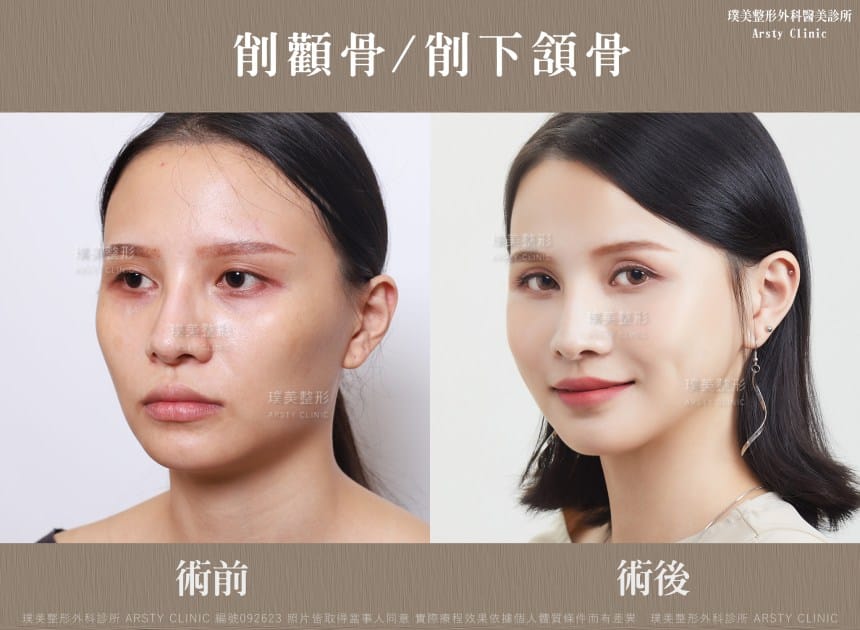
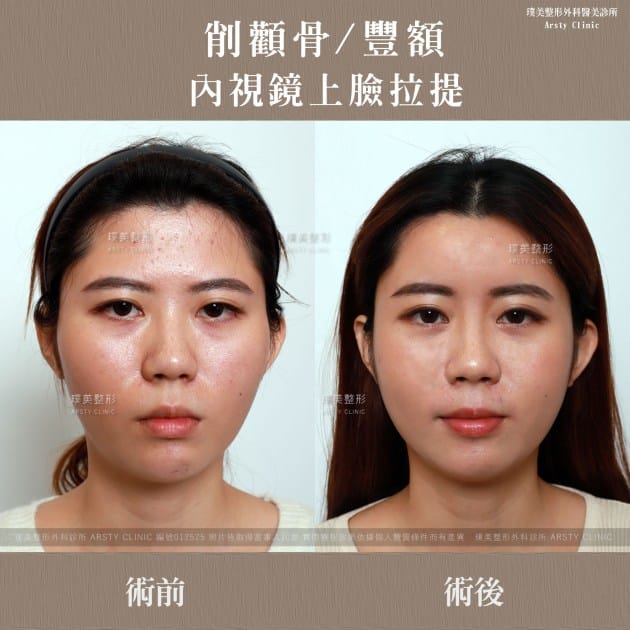
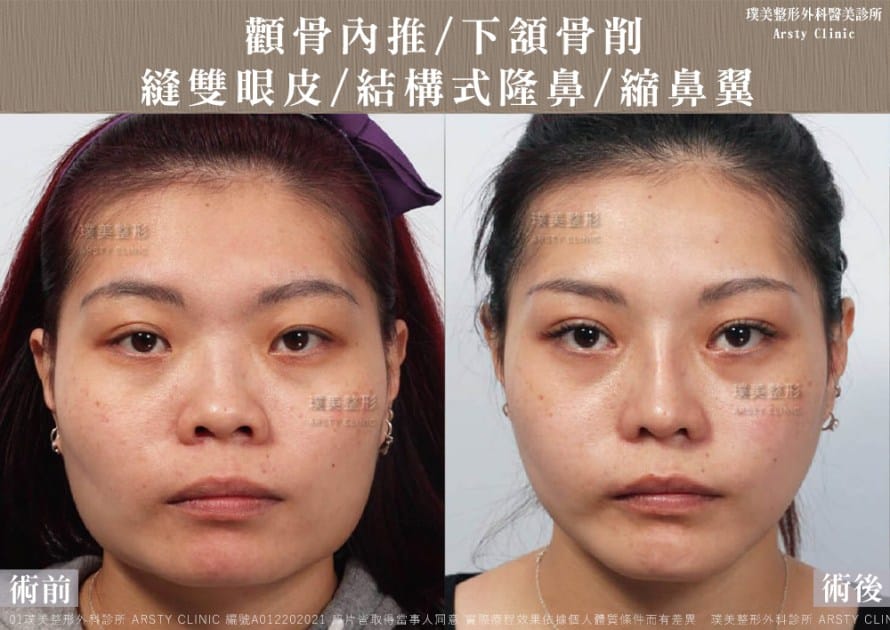
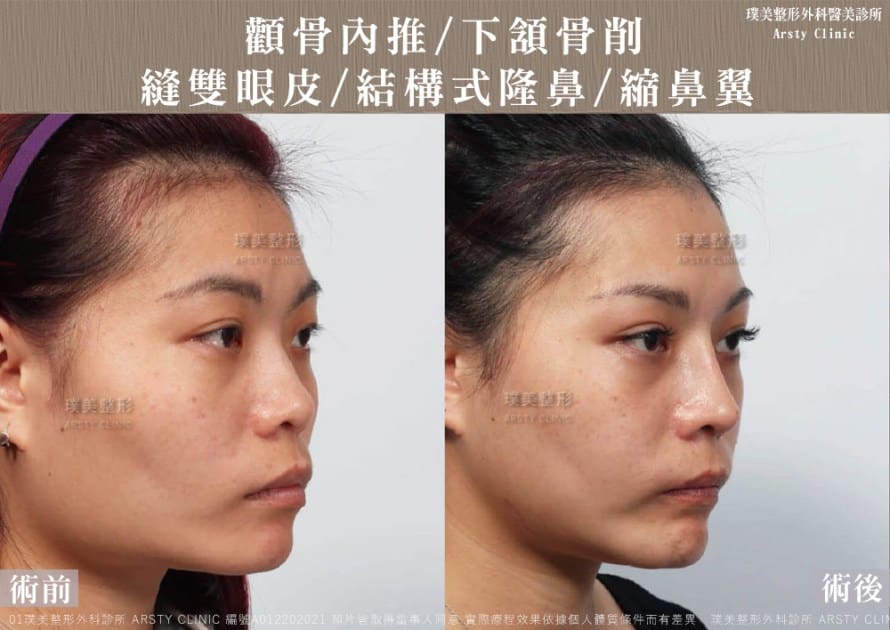
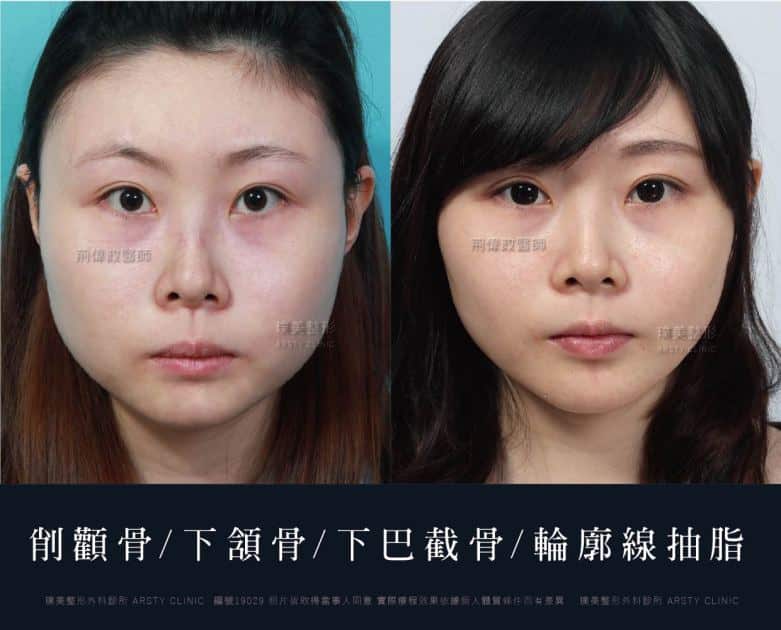
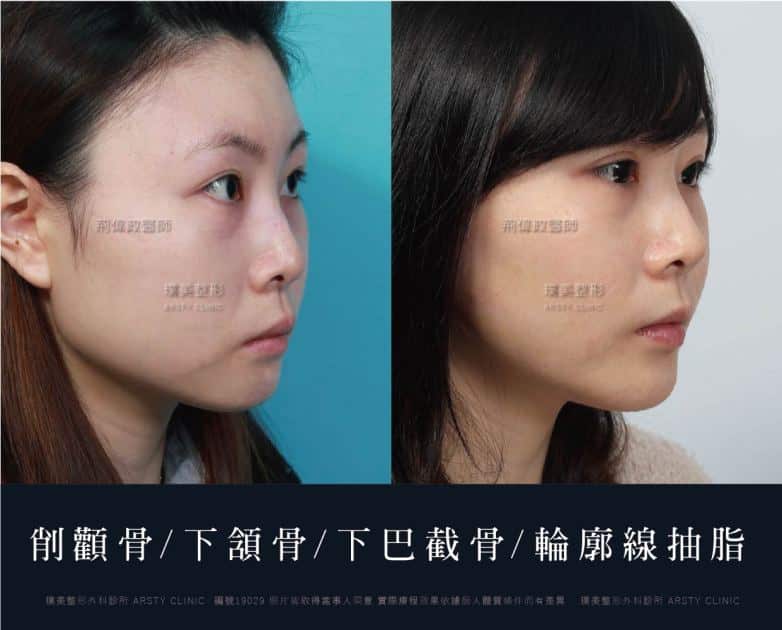
High cheekbones in women often give off a masculine or unappealingly harsh look, or a wide, round face. Cheekbone reduction surgery can significantly improve the shape of the face. Some patients can also have jawbone reduction surgery combined with cheekbone reduction surgery to make the facial lines more harmonious and balanced.

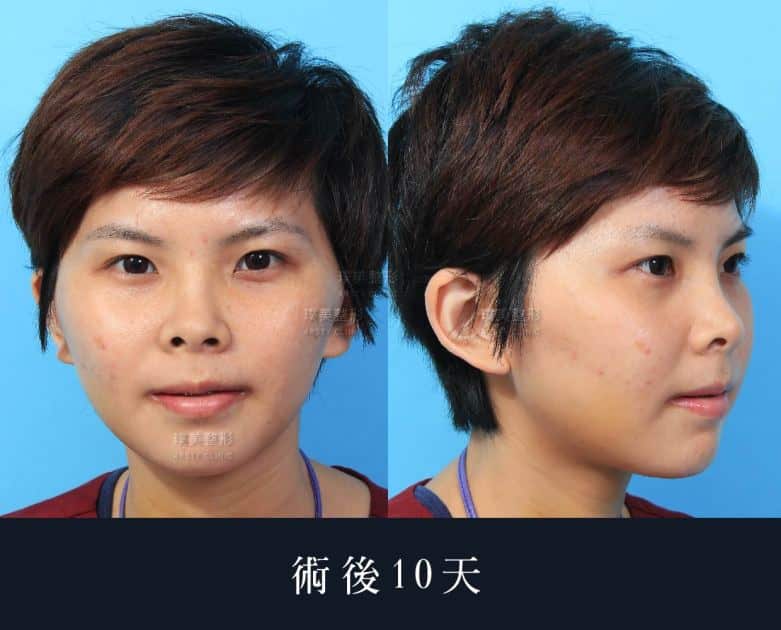
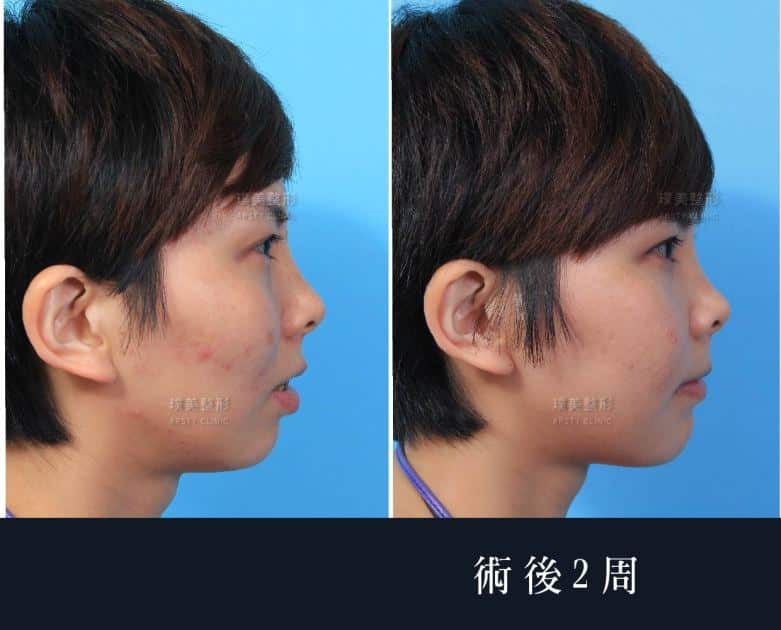


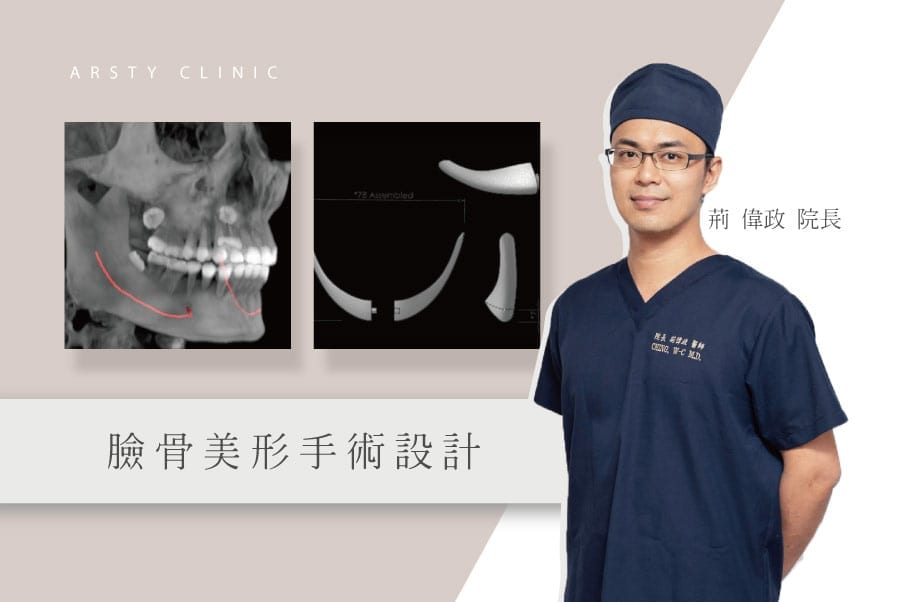
3D image simulation
Before the procedure, a facial X-ray will be taken to obtain 3D tomographic images. Through precise and rapid scanning, the doctor can accurately grasp each person's different facial bone conditions and needs, and further customize a bone reduction treatment to meet your needs.
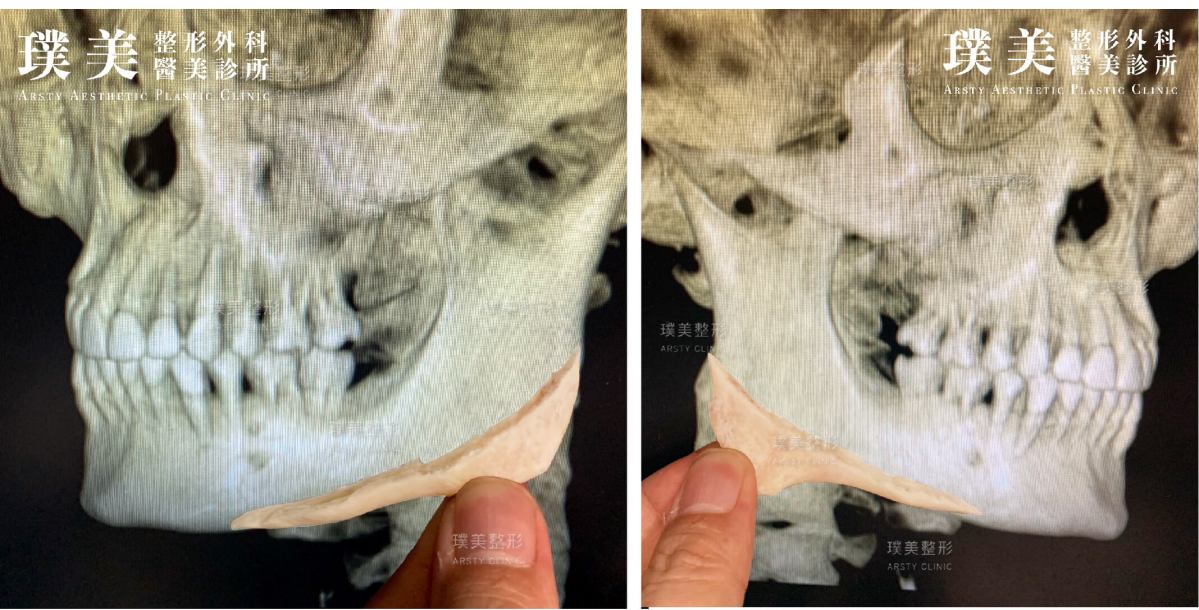
Secondary bone reduction surgery
If you have previously undergone bone reduction surgery elsewhere but are not satisfied with the results, a second bone reduction revision surgery may be performed after evaluation by a doctor. However, it is generally recommended to wait at least 3 months to allow the bone to heal before undergoing another bone reduction surgery.
Before a second bone reduction and reconstruction surgery consultation, facial X-rays and 3D tomography scans are required to allow the doctor to fully understand the current bone condition. For any areas that are not satisfactory, bone can be further ground down within safe limits. If it is felt that too much has been removed, artificial bone can be placed to make up for it.
If the facial contours are not defined enough due to excessive facial fat after jaw reduction surgery, local liposuction can be performed to reduce local fat and make the facial contours more refined. If the jowls are particularly fleshy, liposuction can be performed inside the mouth to make the local slimming effect more obvious.
Location of zygomatic bone reduction scar
In addition to the incision inside the mouth, there will also be incisions of about 1-1.5 cm on each side of the temples after cheekbone reduction surgery. These incisions will gradually fade over time after the surgery.

Arsty Clinic削骨手術優勢
The location and method of bone reduction surgery require very precise design. During the operation, important nerves and blood vessels must be avoided, and the bone parts that affect the shape of the face must be removed. Therefore, not every plastic surgeon can perform bone reduction surgery. In addition to having proficient surgical experience and skills, they must also have a complete and rigorous understanding of facial anatomy and be able to plan a complex surgical approach according to different problems and conditions when necessary.
Recommended surgeons for bone reduction surgery
Elite Plastic Surgeons - Comprehensive Surgical Physicians
Dr. Wei-Cheng Ching, the director of Arsty Clinic, is a graduate of Chang Gung Memorial Hospital with a background in craniofacial surgery. He has received comprehensive training in craniofacial surgery and possesses 16 years of senior plastic surgery experience. He has extensive research and clinical experience in facial bone and fascia tissues. He is dedicated to researching surgical methods that achieve natural aesthetics, surgical safety, inconspicuous scarring, and short recovery periods. With a wealth of cases both domestically and internationally, he can provide the best advice based on individual conditions and needs to create the best proportions for you. He is an authoritative physician in the industry specializing in comprehensive jaw reduction, Orthognathic Surgery, and facelifts.
Post-operative sharing




Preoperative preparation for osteotomy
1. Before consulting about bone reduction surgery, you should prepare facial X-rays and CT scans so that the doctor can clearly understand and judge the condition of the bones and provide relevant explanations and suggestions.
2. After confirming the bone reduction surgery, the clinic will arrange for a nurse to draw blood and send it to the laboratory for testing to ensure that the patient's health condition is suitable for anesthesia and surgery.
Postoperative recovery after osteotomy
1. After the bone reduction surgery, the clinic will apply pressure to the surgical site with a bandage on the same day to prevent swelling and assist with ice application to relieve postoperative swelling and discomfort.
2. During the first week after jaw reduction surgery, it is recommended to eat mainly semi-liquid foods, and pay attention to the temperature so as not to affect the healing of wounds in the mouth or cause swelling and discomfort.
3. After each meal, rinse with alcohol-free mouthwash and brush your teeth normally to keep the wound clean.
4. After surgery, it is essential to maintain a regular sleep schedule and cultivate good hygiene habits.
5. The pain at the surgical site after jaw reduction surgery is actually very low; the main sensations are swelling and numbness. There will be noticeable swelling during the first week after surgery. Additionally, the lips may be slightly swollen due to the stretching during the procedure; these discomforts can be relieved by applying ice.
Surgical contraindications
If you have any of the following conditions, please discuss with your doctor before deciding whether to undergo surgery: 1. Coagulation disorders, low platelet count, severe anemia, etc. 2. Autoimmune system problems (such as lupus, low white blood cell count) 3. Severe heart disease or wearing a pacemaker 4. Severe respiratory diseases or severe asthma 5. Abnormal liver and kidney function, high liver and kidney enzyme levels 6. Patients with psychosomatic disorders (depression, bipolar disorder, delusions, etc.) 7. Pregnant or breastfeeding women 8. Colds, fever, unexplained inflammatory reactions (high white blood cell count) 9. Keloid constitution 10. Allergy to anesthetic drugs 11. Patients with high/low blood pressure 12. Patients with diabetes 13. Patients with infectious diseases (AIDS, syphilis, etc.)
Related Cases





* If you have cardiovascular disease, coagulation disorders, respiratory diseases, liver or kidney dysfunction, autoimmune diseases, psychosomatic medical history, infectious diseases, or are pregnant or breastfeeding, please inform us before the procedure so that we can fully understand your health condition and assess the suitability and safety of the treatment.
*The images and text are shared with the consent of the individuals involved. The pre- and post-operative photos are for educational purposes only. All rights reserved. Reproduction is prohibited. Results vary depending on individual constitution and should be based on a doctor's diagnosis.