Key area for facial reshaping: Chin augmentation surgery [Plastic Surgery - Dr. Hsin-Yu Chen]
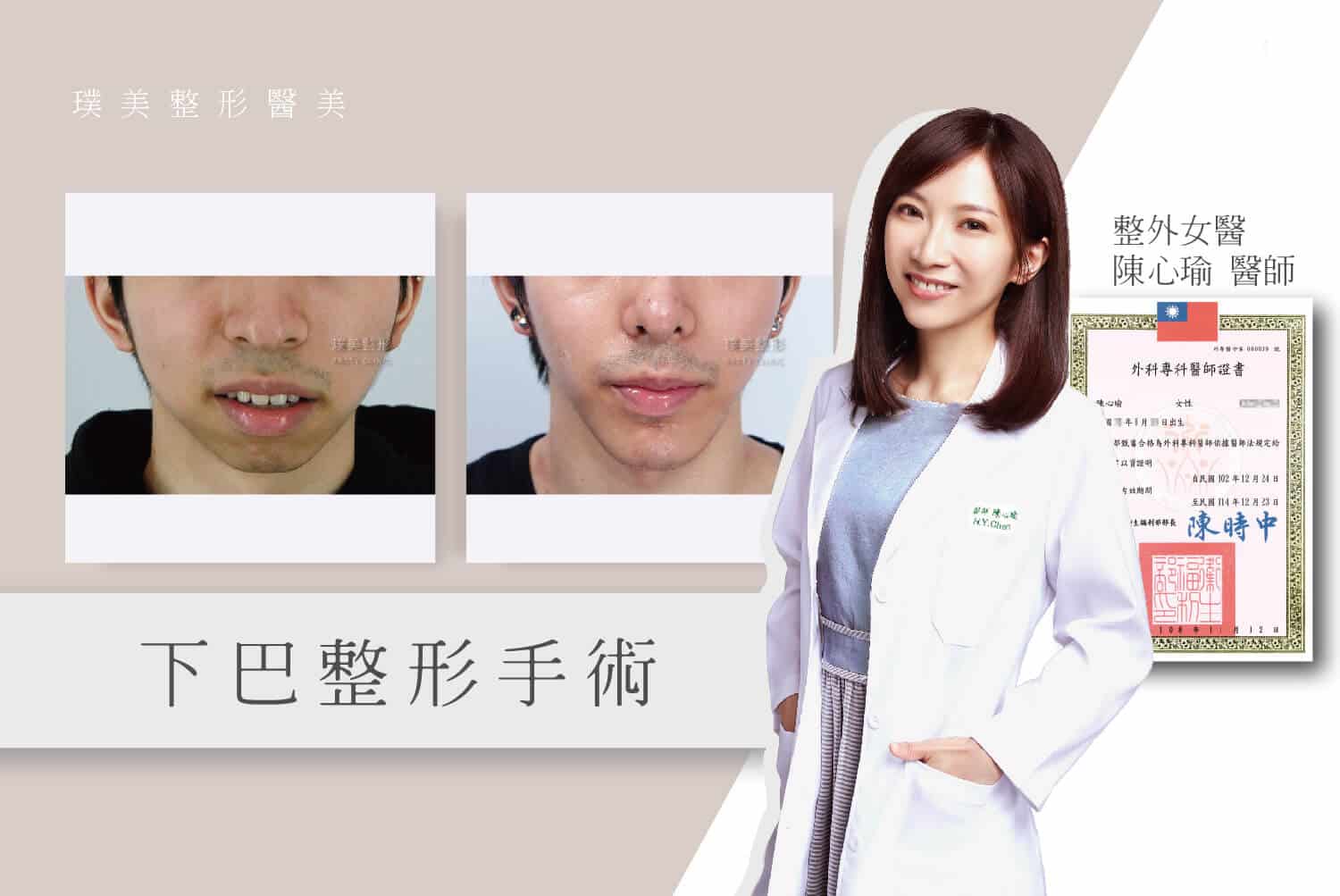
The chin is also part of a person's soul!
During this pandemic, almost everyone wears a mask all the time. But have you ever seen a beautiful woman or handsome man on the street wearing a mask, with their eyes, hairstyle, and every move exuding alluring charm, only to be greatly disappointed after they take off their masks? Without the extension of the chin, the three-dimensionality and refinement of the entire face are immediately greatly reduced, and the god and goddess become just another passerby in a second.

The chin determines the golden ratio of the face.
First, the face can be divided into three equal parts from top to bottom: the upper face (from the hairline to the center of the eyebrows), the middle face (from the center of the eyebrows to the bridge of the nose), and the lower face (from the bridge of the nose to the chin). When the upper, middle, and lower faces are in a 1:1:1 ratio, it conforms to the so-called golden ratio. Further, the lower face is centered on the lips, with the upper part from the lower edge of the nose to the lip line, and the lower part from the lip line to the lowest point of the chin. The ideal ratio of the length of the upper to lower part is 1:2. What about from the side? Ideally, the highest point of the nose, the tip of the lip, and the tip of the chin should form a straight line.
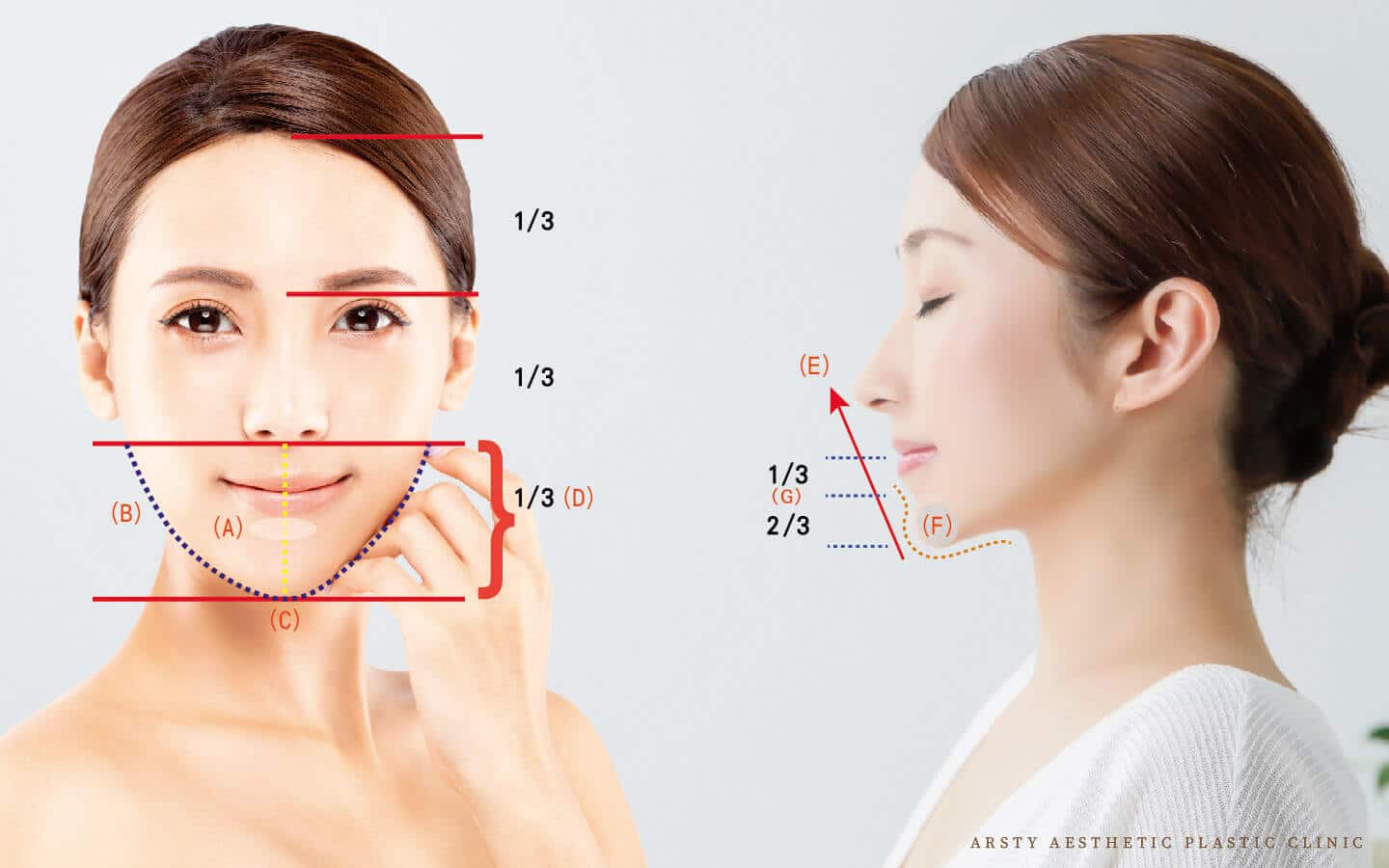
We can see that the chin accounts for almost one-third of the entire face, having a significant impact on the overall facial shape. Often, a simple chin augmentation surgery can magically change a person's overall appearance. Asians often have short or receding chins, which can make them look immature and, from the side, resemble an awkward bird's beak, lacking a clear boundary between the chin and neck. Furthermore, a receding chin can make it difficult to close the mouth, requiring considerable effort. Over time, this can lead to compensatory muscle hypertrophy, causing the lower lip to evert and become thickened. When closing the mouth, the chin muscles become tense, resulting in an uneven appearance. This is especially noticeable as one ages, as the tissues on the cheeks begin to sag and loosen. People with short chins have small jawbones that are insufficient to support and refine them, causing two drooping lumps of flesh to quickly protrude from the sides of the mouth, making them appear much older than their actual age.
What parts can chin augmentation change?
Generally speaking, we would consider the chin.length、Curvature, shapeProperly lengthening the chin can increase the proportion of the lower face, making the entire face more balanced and harmonious. Increasing the forward tilt can enhance the three-dimensionality of the face, making the boundary between the chin and neck more distinct, revealing smooth and charming profile lines. Furthermore, everyone's aesthetic sense, facial bone structure, features, and temperament are different. The golden ratio of aesthetics can be used as a reference, but the overall shape should be adjusted according to the individual's suitable face shape. Some people prefer a more pointed chin, which looks sharp and refined; some prefer a more rounded chin, which looks elegant and natural; and some prefer a wider chin, which looks more resolute and mature.
In addition, forProtruding teeth face shapeChin augmentation can enhance the three-dimensionality of the chin and correct the appearance of a protruding mouth. ForOlder people with short or receding chinsIn addition to lifting, the surgery can also be combined with chin augmentation to improve the problem of insufficient support of the jawbone for soft tissue, and to modify the face shape, creating a firm lower face and V-shaped curve, which has a finishing touch effect on the overall face rejuvenation.Chin augmentation can be broadly categorized into several methods:
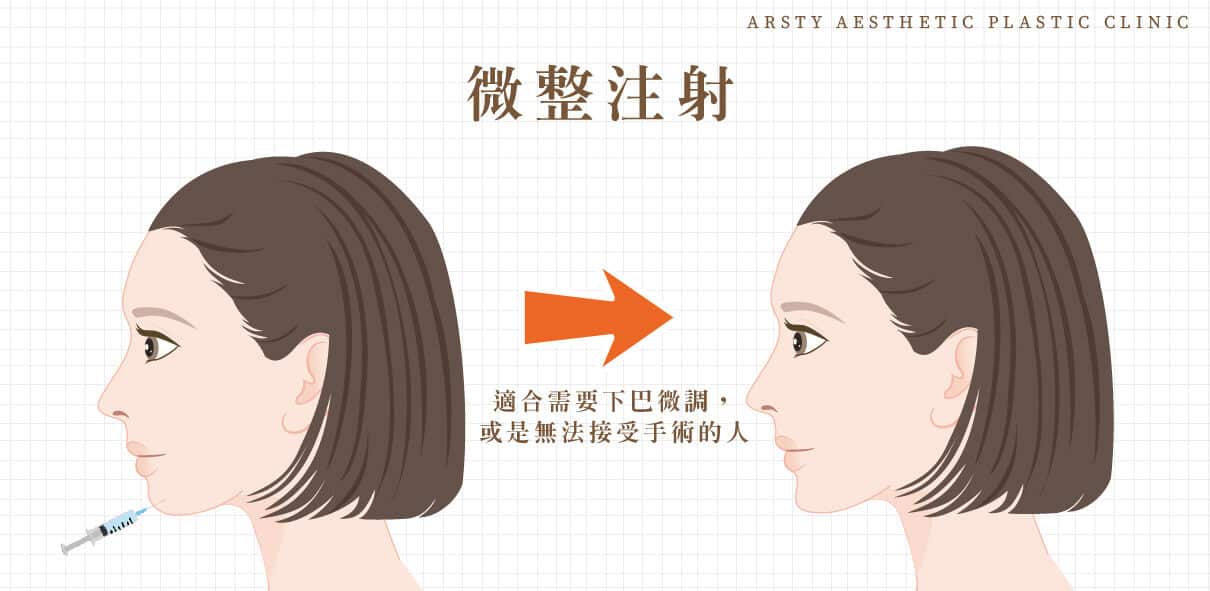
I. Minimally Invasive Injections:
The volume and shape of the chin can be improved through injections, such as hyaluronic acid. The advantages are a short procedure time and a short recovery period.This is more suitable for people who need minor chin adjustments or cannot undergo surgery.It can slightly lengthen and lift the chin, or correct local irregularities and asymmetries. If you don't like the result, it will return to its original shape after a period of time. However, its drawback is that it will absorb, and you will need to get a touch-up injection after a while. Also, the texture of the injection is relatively soft, making it difficult to create a sculpted and sharp chin. When the chin is significantly sparse, it is also difficult to achieve the ideal shape with the injection.
2. Autologous fat injection:
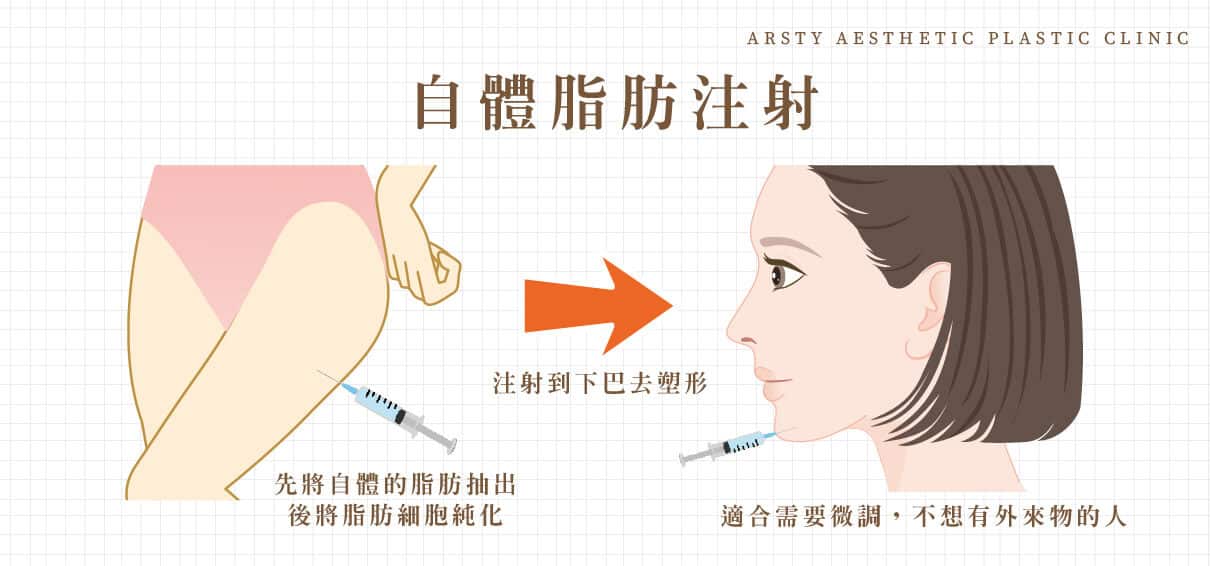
Purified fat cells are injected into the chin for shaping. Compared to hyaluronic acid, its advantage is that if the fat cells survive, the results are almost permanent. However, the tissue pressure in this area is high, and the absorption rate of transplanted fat is also relatively high, which may require more than one injection to achieve the desired shape.Suitable for people who need minor adjustments and don't want any foreign objects.Because fat is soft, it is more difficult to sculpt precisely and present the natural lines of bone structure.
三、Chin Augmentation:
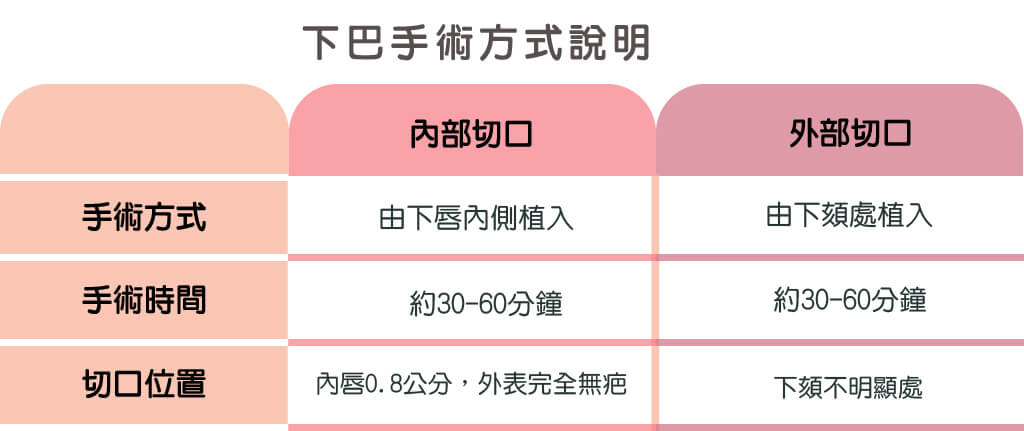
This involves implanting artificial materials into the surface of the jawbone to reshape it, thereby lengthening the chin, making it protrude forward, and refining its contours. The advantages include providing good and lasting support, and allowing for more precise shaping.Suitable for people with naturally short or severely receding chins who want long-lasting results.The main procedure involves making an incision inside the lower lip and placing the implant under the periosteum. Due to past training in craniofacial surgery, I have a good grasp of the jawbone, soft tissue, nerves, and muscles, as well as experience in implant sculpting. During the surgery, I will make further fine adjustments based on each person's different bone structure and face shape. In this way, not only can the jaw contour be precisely customized to meet the needs, but the implant can also fit the bone surface.Real-time adjustments during surgery are crucial because the elasticity and tension of each person's tissues differ, and imaging simulation software cannot accurately predict the changes that will occur in each individual's chin soft tissue in response to the implanted prosthesis.This part still relies heavily on surgical experience to make a judgment, especially on the face, where a 2mm difference can actually make a big difference in appearance.
Commonly used materials for chin augmentation include:
Second-generation Cameron chinIt is a composite implant with an inner layer of silicone and an outer layer of Gortex. Gortex increases the fit between the implant and the tissue. It is softer than artificial bone, offers a variety of styles, and has a more pointed design, but the lateral extension is less, making it suitable for people who need enhancement in the middle of their chin.
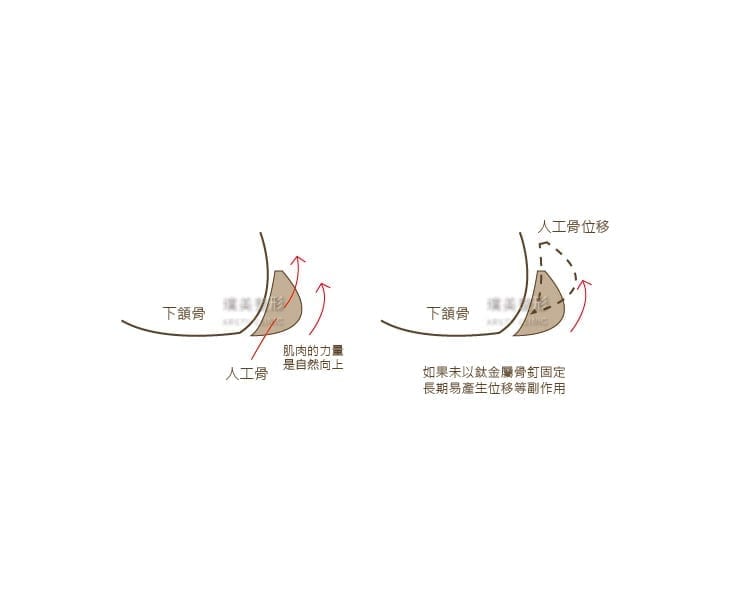
Artificial chin:It is made of porous high-density polyethylene, currently the material closest to bone, with high hardness. Its porous nature allows tissue to grow in, resulting in high stability over time. On the other hand, its design is fuller, with longer extensions on both sides, which can be adjusted according to individual needs and is also easier to present a natural chin shape.Finally, useMedical-grade special alloy bone screws accurately fix the implant in place, preventing displacement due to soft tissue tension, muscle pull, or external forces, thus ensuring the precision and stability of the ideal chin shape.People often ask if it's possible to avoid bone screws. There's a general sense of apprehension surrounding bone screws. First, let's clarify something about them...Currently used bone screws are all made of medical-grade titanium alloy, which is high in strength, lightweight, and biocompatible.Even bone can grow there, and the size is only about the size of a ballpoint pen tip. Compared to the huge implant, it is actually negligible, so it will not cause much extra burden on the tissue, and there is no foreign body sensation.Will getting bone screws inserted trigger an alarm at customs afterward, even though the MRI scan showed no problems?。
Why use bone screws?
Because of the added fixation with bone screws, it helps...Maintain long-lasting, stable, and precise chin augmentation surgery results, making your chin more firm.。試想,Chin Augmentation就是希望持久,最好可以一勞永逸,不要有什麼變化。這時,穩定度就是很重要的考量。儘管植入物和骨頭的貼合度高,但是它還是會受到外力的影響。手術中,因為植入物增加了下巴骨的體積,下巴軟組織本來就是比較小,組織原有的張力會傾向讓植入物向前向上位移。接下來呢?每天說話,吃東西,做表情,甚至睡覺中磨牙,說夢話都會不斷牽動下巴肌肉,很容易帶動下方的植入物跑離原先的理想位置。甚至,你還得擔心睡覺壓到,或被撞到了怎麼辦呢?因此,我們才會多一個骨釘固定的步驟,將不穩定的因素降到最低,讓手術結果更臻完美。
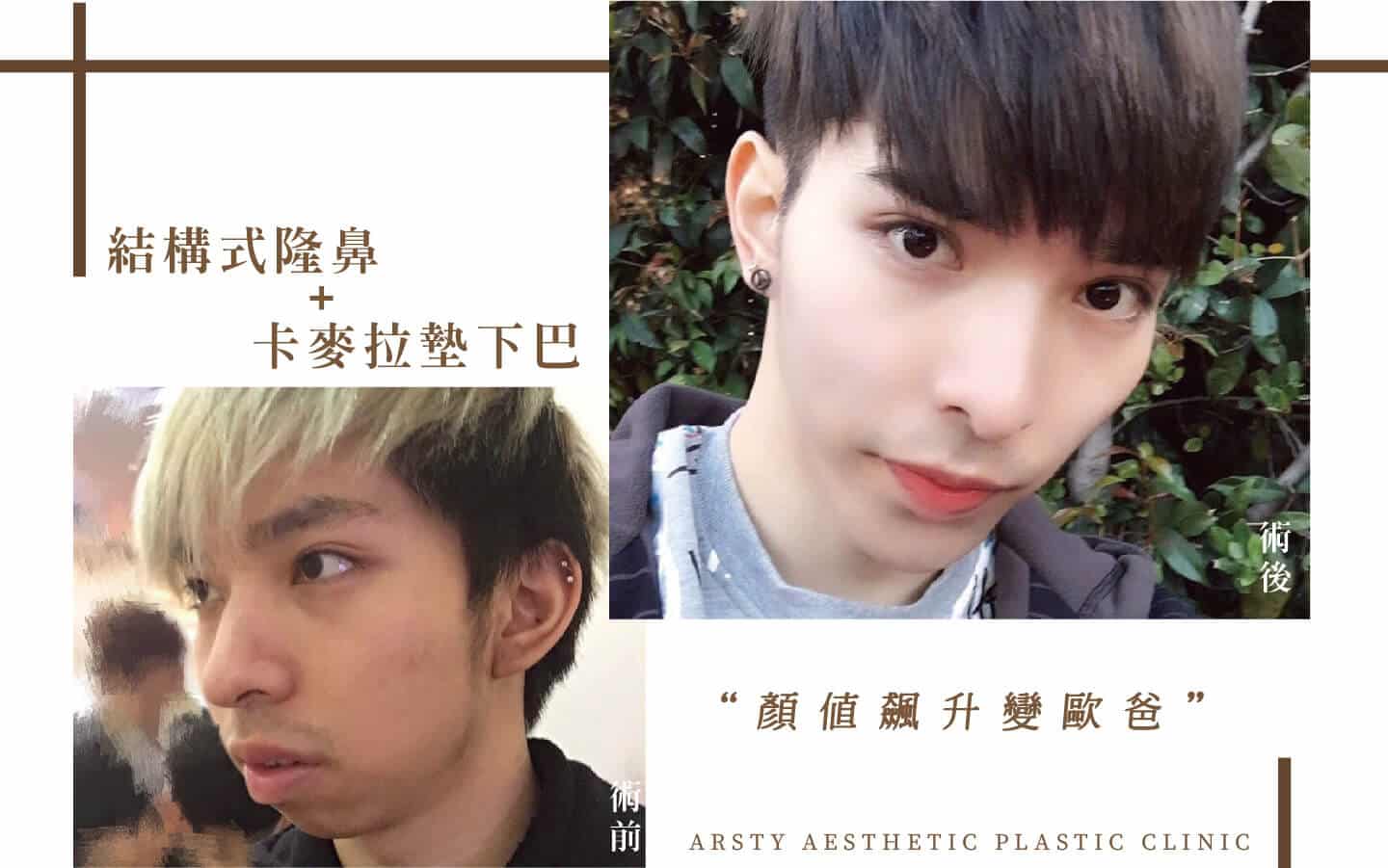
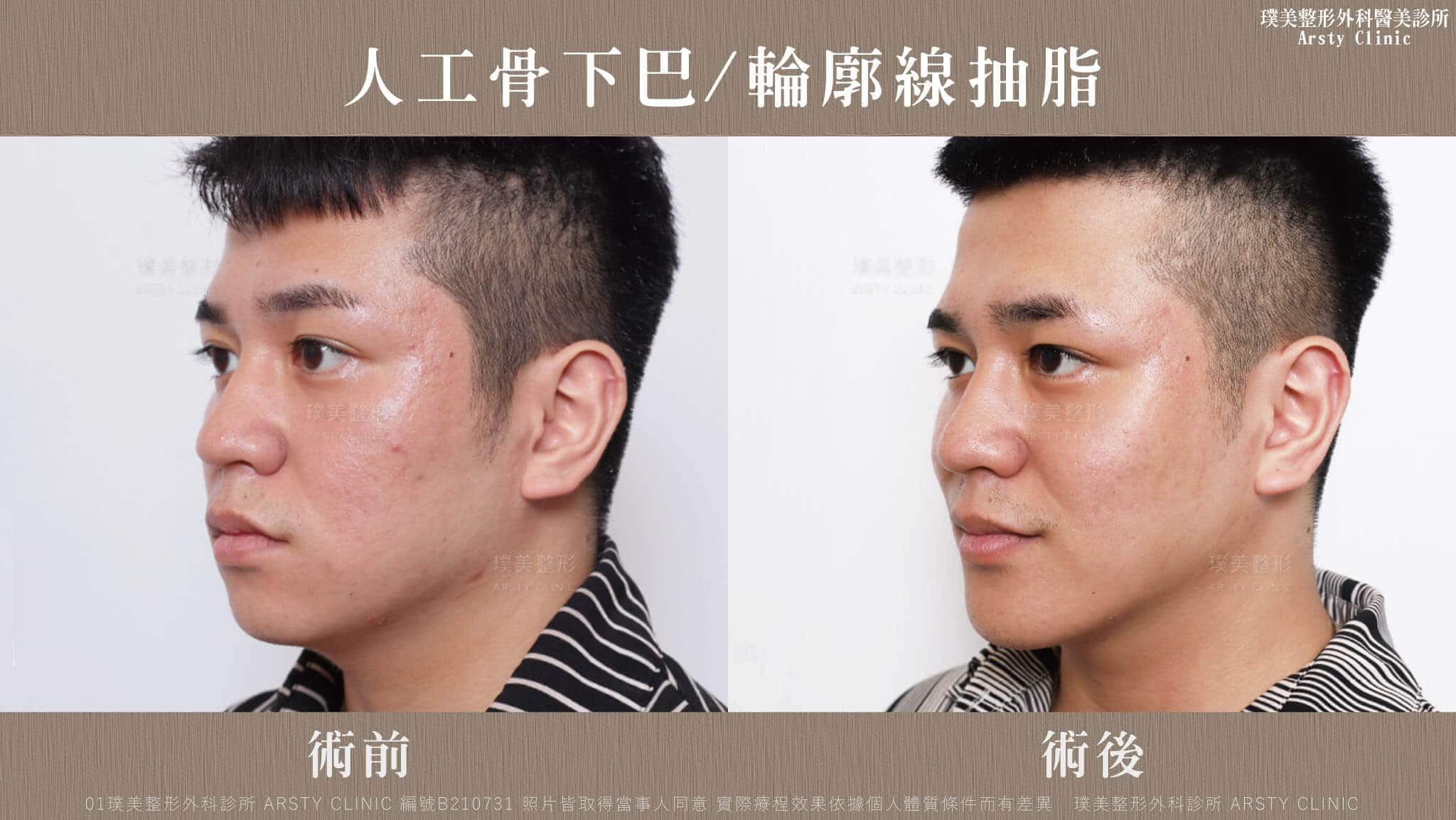
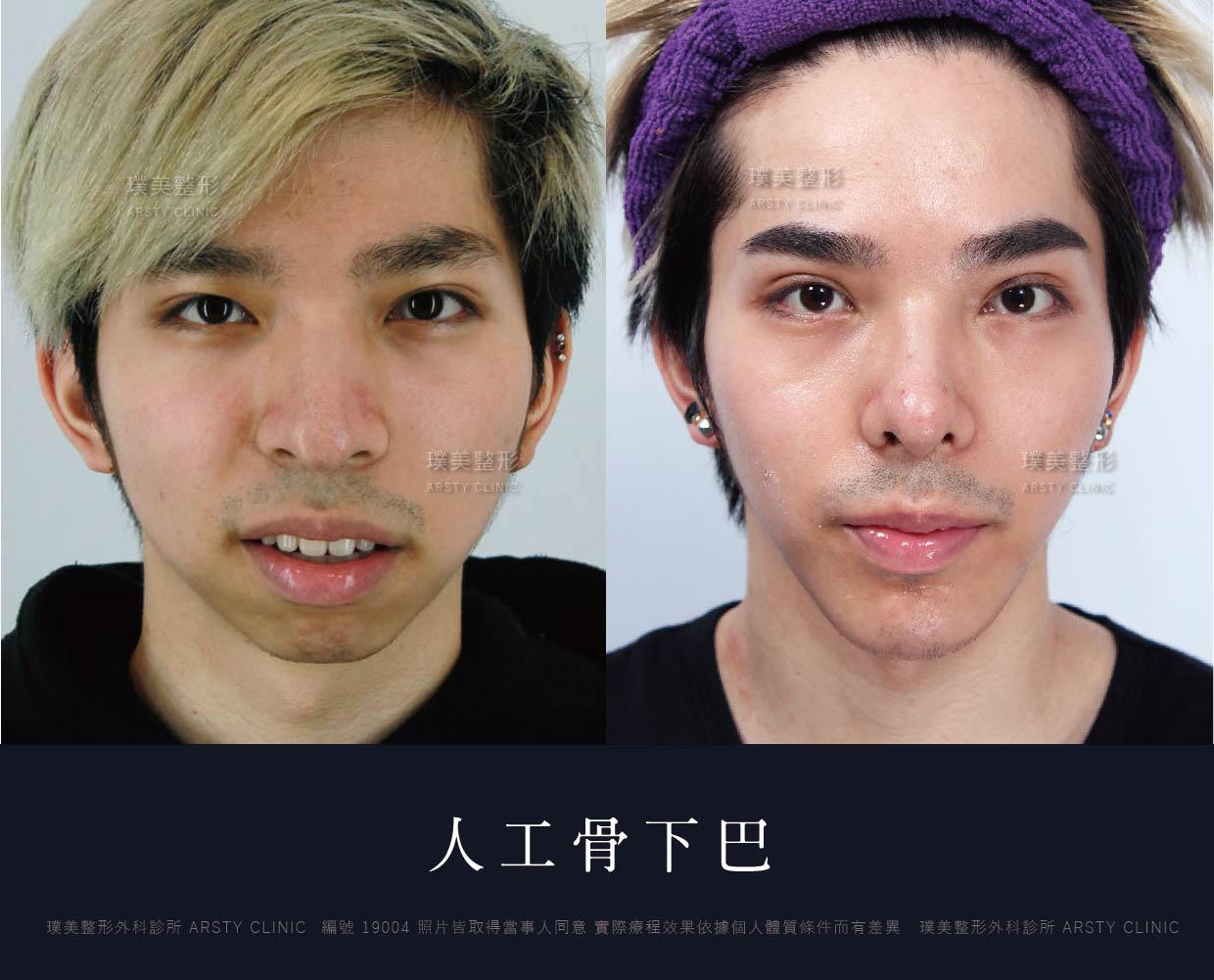
See more of Arsty ClinicChin augmentation surgeryCase Recommendations




【Dr. Hsin-Yu Chen專欄】
Want bright, expressive eyes? How to create a beautiful double eyelid crease?
Internal blepharoplasty or external blepharoplasty? Which surgery is more suitable for me?
Causes of breast atrophy - What to do about breast shrinkage? Can it be used to enlarge breasts?
The secret to inner beauty: nipple and areola reduction surgery
Postpartum laxity! How to choose a minimally invasive procedure for the intimate area?
Contact a specialist for consultation, and enjoy beauty without worries.