How to Choose Double Eyelid Surgery? A Comprehensive Analysis of Sutured Double Eyelid Surgery vs. Incisional Double Eyelid Surgery, Recovery Periods, and Suitable Candidates
Want to get double eyelid surgery but don't know whether to choose suture or incision? Actually, everyone's eyelid condition is different. Whether it's the thickness of fat or whether the eyelid is loose, it will affect the choice of surgical method.
Double eyelid surgery can be mainly divided into suture-based and incision-based procedures, which differ in surgical principles, tissue management, and recovery periods. This article will explain the differences between suture-based and incision-based double eyelid surgery, suitable patient groups, recovery periods, and postoperative care to help you grasp the key points before surgery and have a better understanding when discussing the appropriate surgical method with your doctor!
1. What are the differences between sutured double eyelid surgery and surgical double eyelid surgery?
Double eyelid surgery: creating a crease using sutures

Suture-based double eyelid surgery, also known as suture-assisted double eyelid surgery, primarily uses sutures to fix the internal tissues and skin of the eyelid, creating a crease when the eye is open. Because it does not require a long incision along the eyelid, the wound is usually small, and the recovery time is relatively short.
However, suture surgery cannot directly remove excess skin or fat. If the eyelids are thick, significantly loose, or there are other eyelid problems, a doctor will need to assess whether it is a suitable procedure, or double eyelid surgery may be used to adjust them.
Further Reading:Case of double eyelid surgery
Double eyelid surgery: adjusting the eyelids through incision.
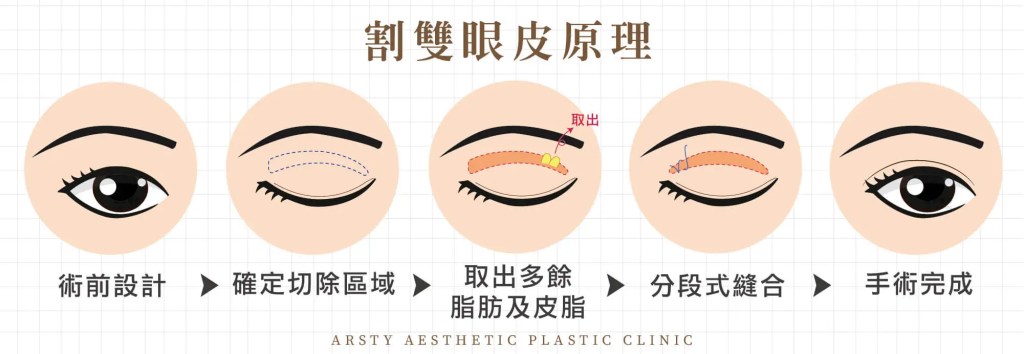
Double eyelid surgery, also known as incisional double eyelid surgery, involves the doctor planning the location and extent of the incision before the operation, and then creating a double eyelid crease through incision, tissue adjustment and suturing.
Further Reading:Double eyelid surgery cases
Compared to suture surgery, double eyelid surgery allows for a wider range of adjustments, based on individual eyelid conditions, by assessing whether excess skin or fat needs to be removed. However, because the surgery involves incisions and tissue manipulation, the recovery time is usually longer.
II. Comparison Table of Sutured Double Eyelid Surgery vs. Incisional Double Eyelid Surgery
| Comparison items | suture method double eyelid | open method double eyelid |
| Surgical methods | Secure the tissue with sutures and create creases. | Creases are created through cutting and tissue processing. |
| Wound | Smaller, usually without long incisions | There is an incision, and the wound needs to be cared for. |
| Skin and fat treatment | Excess tissue cannot be directly removed | Excess skin or fat can be treated based on the assessment. |
| Suitable for assessing ethnic groups | Those with thin eyelids and minimal sagging | People with thicker eyelids and looser skin |
| Recovery period | Usually shorter | Usually longer |
| Crease retention | It may become lighter or looser over time. | It is usually quite durable, but may still change over time. |
*The above describes the general characteristics of the surgery. The actual application method and recovery situation still need to be evaluated by a physician.
III. Who are suitable candidates for double eyelid surgery?

Double eyelid surgery involves small incisions and usually heals quickly, but it's not suitable for everyone. The following situations should be discussed with your doctor:
- Thin eyelids: The eyelids do not have obvious thickening or excess tissue, which may be suitable for creating creases through sutures.
- The original creases were not obvious: If you already have double eyelids, but the crease is shallow or not obvious, you can be assessed to see if you are suitable for adjustment.
- Desire to reduce incisions: If you are concerned about the size of the surgical incision, you can first understand the limitations of suture-based surgery.
It's important to note that double eyelid surgery cannot directly remove excess skin or fat. If your eyelids are noticeably loose or thick, or if you have eyelid dysfunction, you should first undergo a doctor's evaluation. Don't decide on a surgical method solely based on faster recovery.
IV. Who are suitable candidates for double eyelid surgery?
Open surgery can treat certain tissues according to the condition of the eye, so some people will give this method their priority.
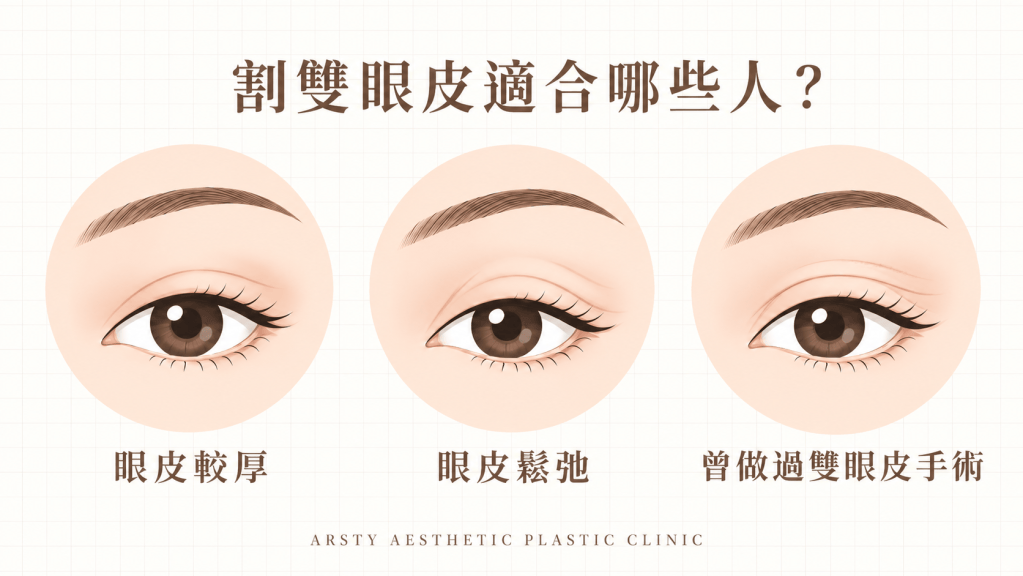
- Thick eyelids: If the thickness of the eyelid and the distribution of fat affect the crease, a doctor can assess whether the relevant tissue needs to be treated.
- Sagging eyelids: If excess skin affects the original crease, an assessment can be made to determine if open surgery is suitable.
- I have had double eyelid surgery: If the original crease becomes shallower or its shape changes, the cause needs to be identified first, and then an assessment needs to be made as to whether it is suitable to be repaired.
It's important to note that puffy eyelids aren't always caused by fat; droopy eyelids can also be related to the function of the levator palpebrae superioris muscle or the position of the eyebrows and eyes. Before surgery, you should consult with your doctor to determine the actual cause in order to choose the appropriate treatment method.
5. How long is the recovery period after double eyelid surgery?
The recovery time for sutured double eyelid surgery differs from that for incision double eyelid surgery. Sutured surgery results in smaller incisions and usually recovers faster; incision surgery involves more incisions and tissue management, so initial swelling may be more noticeable, and the recovery time is relatively longer. However, the actual recovery process can still be affected by the surgical method, individual constitution, and wound healing.
| Recovery phase | Sutured double eyelid | Incisional double eyelid |
| 1-3 days after surgery | Swelling, bruising, or tightness may occur. | Swelling and bruising may be noticeable; pay close attention to the wound's condition. |
| Approximately 4 to 7 days after surgery | The swelling may gradually subside; please return for a follow-up appointment as advised by your doctor. | Swelling may persist. If suture removal is scheduled, please return for a follow-up appointment as instructed by your doctor. |
| 1-2 weeks after surgery | Some swelling and bruising may gradually subside. | The wound is still healing, and the swelling and bruising may not have completely subsided. |
| Weeks to months after surgery | The creases may continue to change, but will gradually stabilize. | As the swelling gradually subsides, the creases and scars may continue to change. |
*The above is a general recovery timeline; not everyone will recover in the same manner. The actual time for suture removal, resumption of daily activities, and makeup application will depend on the surgical procedure, wound condition, and the doctor's instructions.
6. How to take care of yourself after double eyelid surgery?
Postoperative care helps wound healing. Regardless of the type of surgery chosen, the following points should be noted:
- Apply ice as prescribed by the doctor: Follow your doctor's instructions for applying ice, but avoid direct contact of ice with your skin or applying pressure to your eyelids.
- Keep the wound clean: Clean the wound and use medication as prescribed by your doctor. Do not pull on the sutures yourself.
- Avoid rubbing your eyes and strenuous activity: Avoid rubbing your eyes during recovery and only resume exercise after consulting your doctor.
- Postpone eye makeup and contact lenses: It should only be used after the wound has healed to a suitable condition and after confirmation by a doctor.
- Follow up with your appointment on time: If you experience a significant increase in pain or swelling, or abnormal discharge, seek medical attention as soon as possible; if you experience a sudden change in vision, seek emergency medical assistance immediately.
7. How to choose a double eyelid surgery? First, have a doctor assess your eyelid condition.
Both suture-based and surgical-based double eyelid surgery have their advantages and disadvantages. Those with thinner eyelids and less noticeable sagging can discuss suture-based surgery with their doctor; those with thicker eyelids or excess skin can be further evaluated for surgical-based surgery.
Besides the surgical method, eyelid thickness, eye structure, eyebrow-eye ratio, and eyelid function also affect surgical planning. It is recommended to have a thorough consultation with your doctor before surgery to understand surgical limitations, potential risks, and recovery time, and then make the most suitable choice based on your individual circumstances!
If you're still unsure which type of double eyelid surgery is right for you, feel free to schedule an appointment at Pumei Plastic Surgery Clinic. Our professional doctors will assess your eyelid condition, eye structure, and individual needs, and discuss the most suitable surgical approach. Through thorough pre-operative communication, you'll understand the surgical procedure, recovery period, and related risks, allowing you to make the right choice after gathering comprehensive information.