There are reasons for a loose abdomen! Professional analysis of abdominal firming strategies to help you regain your flat and toned tummy!
In the hot summer, many people like to dress lightly, and at this time they inevitably start to check their figure, hoping to show their perfect side. According to clinical experience, most people dislike having a loose belly the most. A loose belly is really a difficult part to improve. Today we are going to talk about how to make the abdomen firmer!
One of the most common problems postpartum mothers encounter is abdominal laxity!
A loose abdomen is one of the most common problems faced by postpartum mothers. Before giving birth, mothers often fantasize that after giving birth to their baby, their bellies will shrink back immediately, leaving no trace, just like the British princess, who can wear well-fitting clothes and show her radiant appearance on the silver screen the very next day.

▲ Kate Middleton, the Duchess of Cambridge, is known for her eternally perfect S-size figure. She recovered quickly the day after giving birth, and her beautiful figure is the envy of many mothers. (Image shared from the internet).
But the harsh reality is often that nothing happens the day after giving birth, and the belly is still a loose lump of flesh. Sometimes, even years later, the extra belly still hasn't shrunk back, and the baby is still a little pot-bellied. What should you do in this situation?
Reasons why postpartum abdominal fat doesn't shrink: loose skin, diastasis recti, fat accumulation
The belly is arguably the hardest-hit area during pregnancy. Before understanding how to restore a firm abdomen, we must first understand what happens during pregnancy that makes mothers so tired and leaves behind postpartum body shape issues.
First, during pregnancy, the baby grows rapidly in the uterus, quickly stretching the originally firm belly skin. When the skin's repair speed cannot keep up, it causes the collagen in the dermis to break down, resulting in what is known as...Stretch marks。
Stretch marksInitially, they are red, but as the scar tissue heals, they turn into silvery-white lines. This skin change is actually related to individual constitution. Some people have naturally good skin elasticity and may be lucky enough to avoid stretch marks after childbirth, while others are prone to loose skin on their abdomen, leaving unsightly stretch marks after delivery. It's also worth noting that similar skin texture changes often occur in patients who have lost a significant amount of weight.
https://youtu.be/FDH2DRUCKDk
Secondly, going a little deeper, let's look at the rectus abdominis muscle. The rectus abdominis runs on either side of the navel, extending from below the sternum to the pubic bone. Normally, the two rectus abdominis muscles are tightly connected, separated by a fibrous linea alba, which is the attachment point of the muscle fascia. However, during pregnancy, increased abdominal pressure forces this linea alba to stretch, causing the rectus abdominis muscles to separate to the sides, much like the Red Sea. Even after childbirth, the loosened linea alba cannot regain its original firmness; this is what is known as…Diastasis recti。
What discomfort might occur with diastasis recti?Clinically, you may see a protruding abdomen. In addition, if the abdominal muscles and linea alba are in a state of relaxation and deformation for a long time, the transmission of core strength will be poor, which will lead to problems such as lower back pain in the long run.
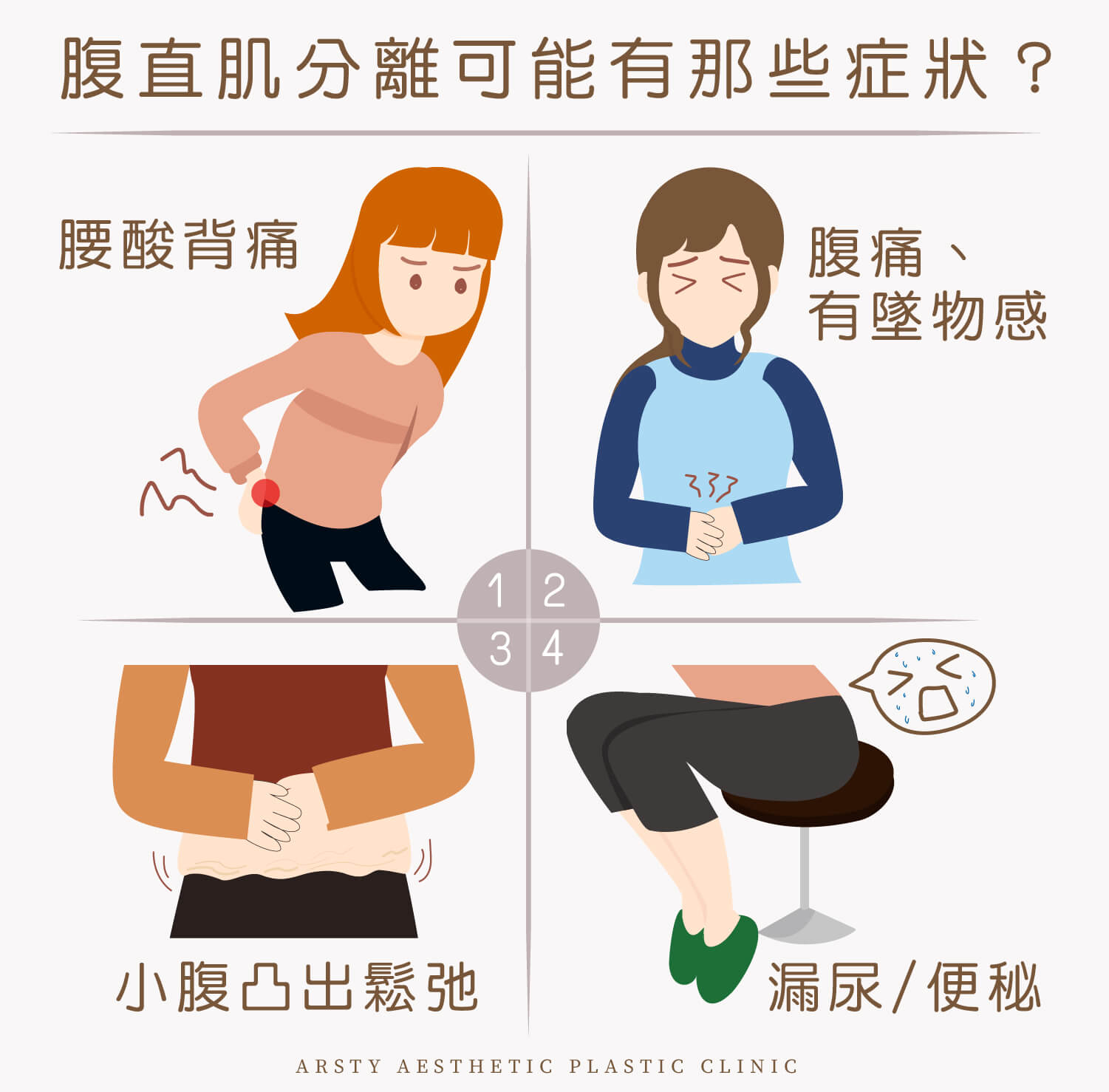
How can mothers assess whether they have diastasis recti at home? Here's a tip: while lying flat, bend your knees and lift your head to do a sit-up. If you see or feel a depression around your navel, it indicates diastasis recti. The thick, wall-like structures on either side of the depression are the rectus abdominis muscles. A mild separation is about the width of two fingertips, while a severe separation can be more than ten or twenty centimeters.

Third, there is fat accumulation. Pregnancy is often accompanied by fat accumulation. Due to hormonal influences, the waist and abdomen are often difficult areas to lose fat, so often even after the child has grown up, the abdominal fat still remains.

Ways to restore abdominal firmness
So how do we solve these problems?
first,Weight gain during pregnancy should not be too rapid or excessive.Adequate hydration and collagen intake are important for maintaining skin elasticity. Postpartum women can strengthen their abdominal muscles and core through appropriate exercise. Although the firmness of the linea alba cannot be fully restored to that before pregnancy, stronger muscles can still improve diastasis recti and reduce the size of the crack.
Who says a loose postpartum belly can never be restored? Learn about postpartum belly tightening surgery.
Which surgeries can help restore abdominal firmness?
In what situations would surgery be necessary? We will assess the situation from several aspects:
- Degree of fat accumulation:
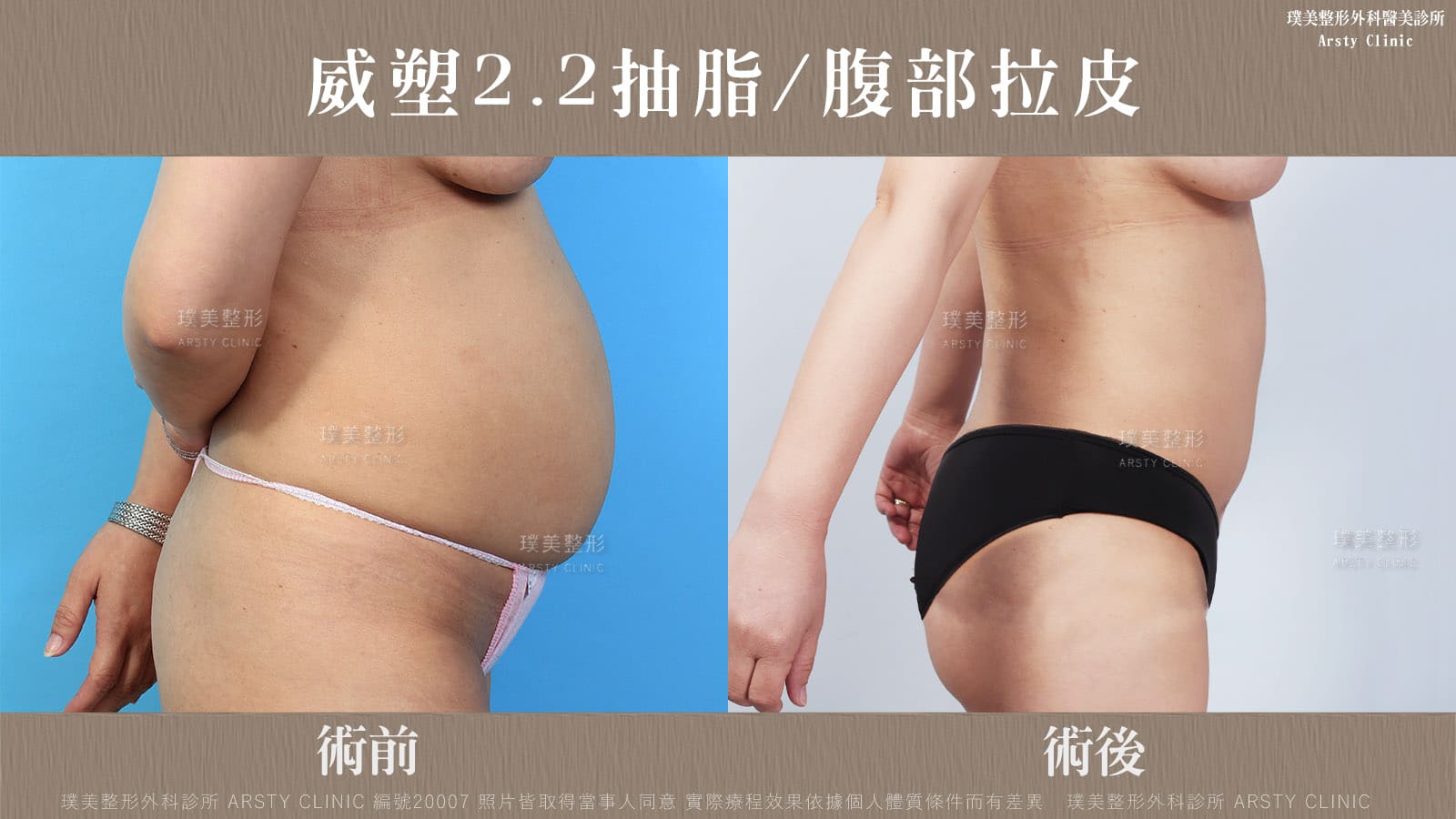
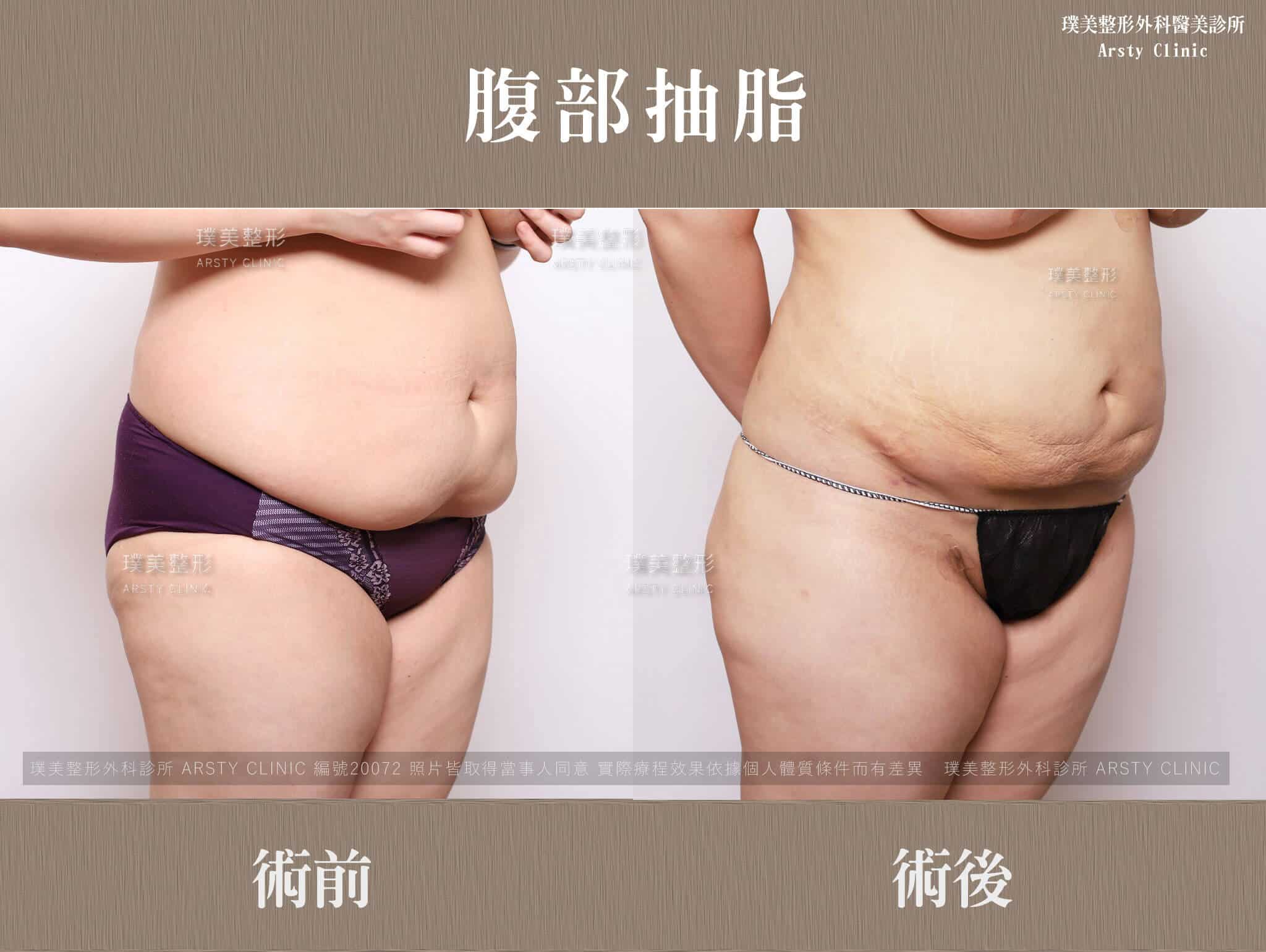
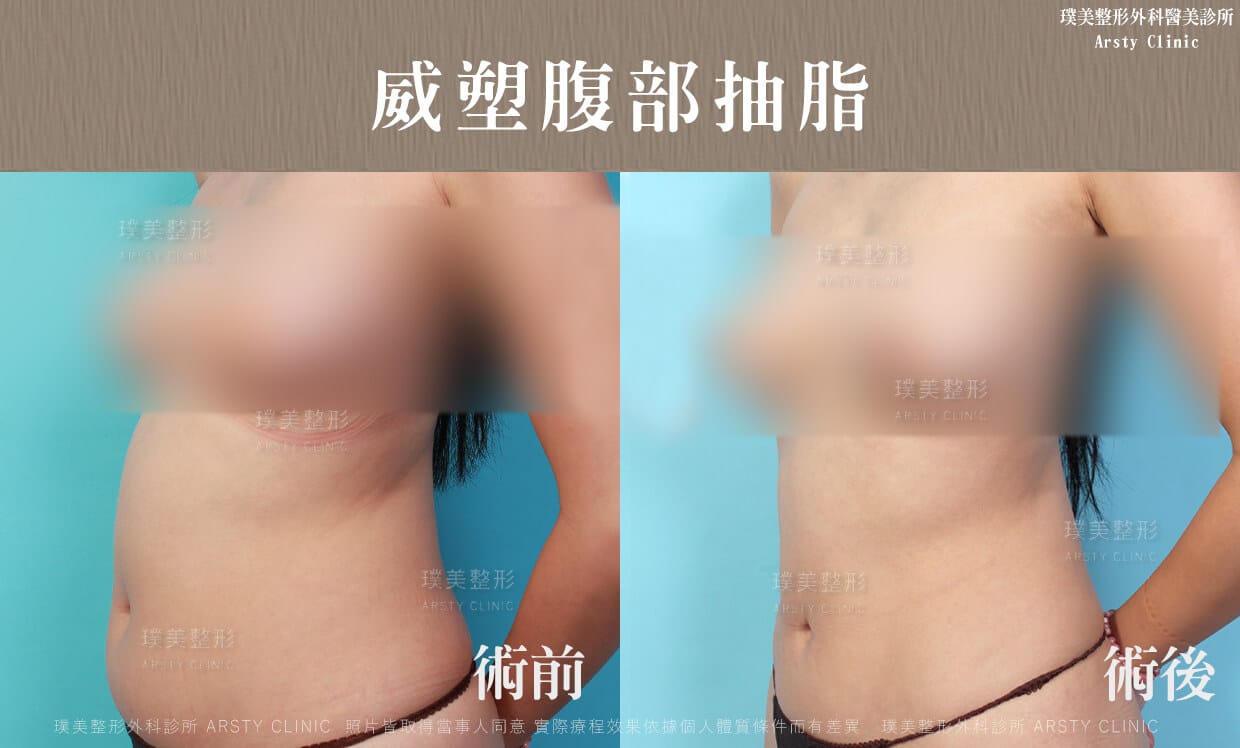
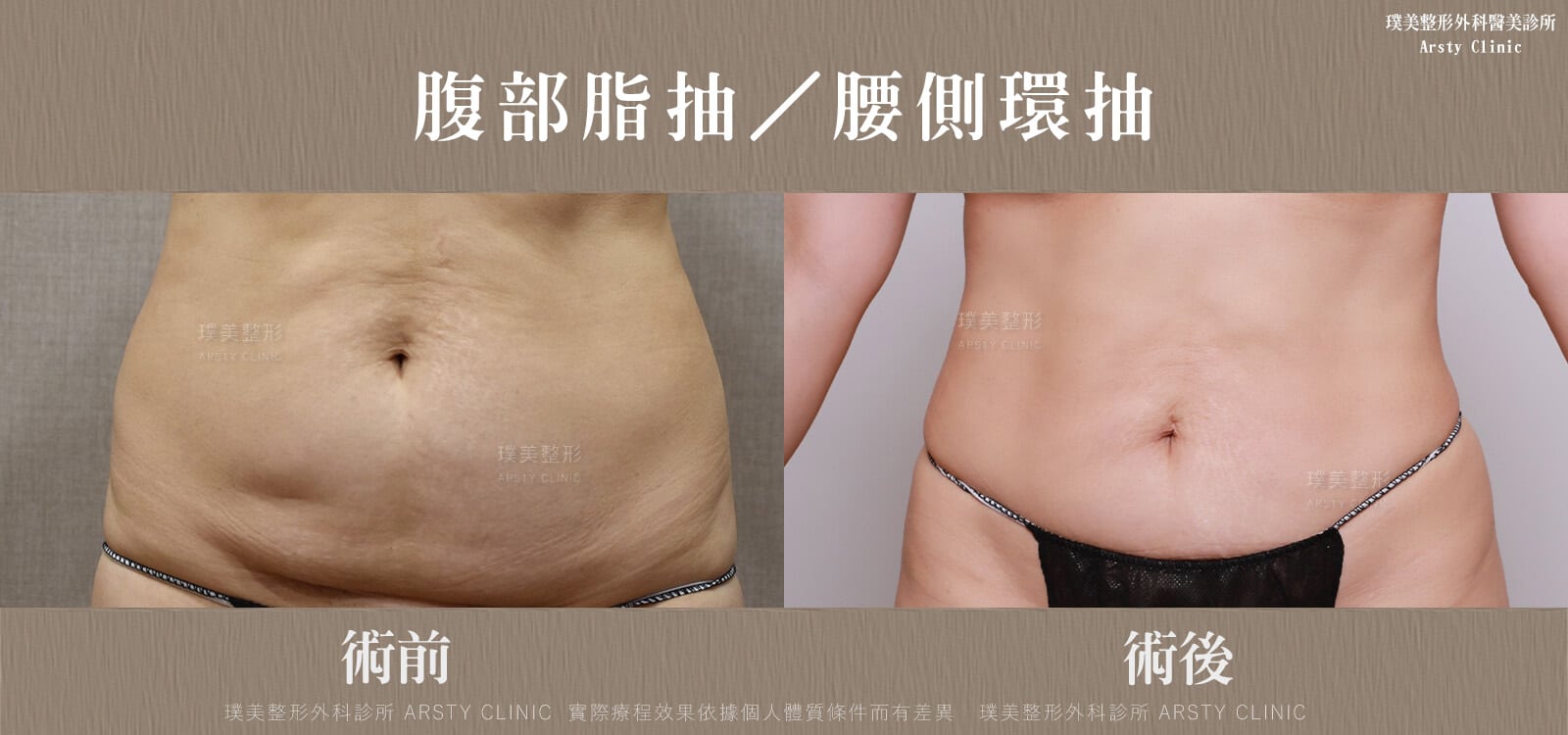
If it's simply fat accumulation, with slightly loose skin, no excess skin, and the diastasis recti isn't too severe, then you can simply do...liposuction surgeryBody sculpting is sometimes combined with firming treatments, such as super plasma, to further tighten the surface skin.
- Degree of skin laxity:
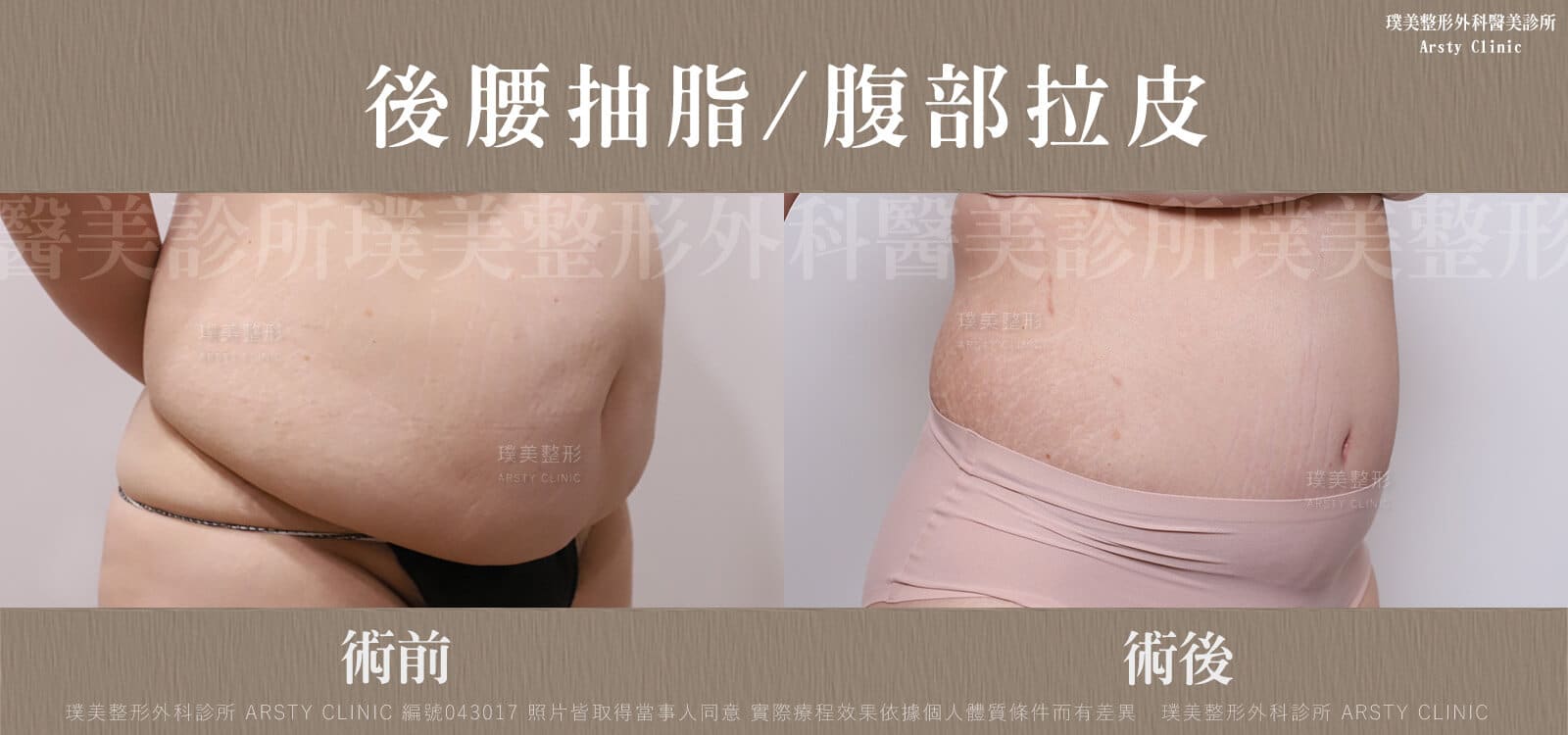
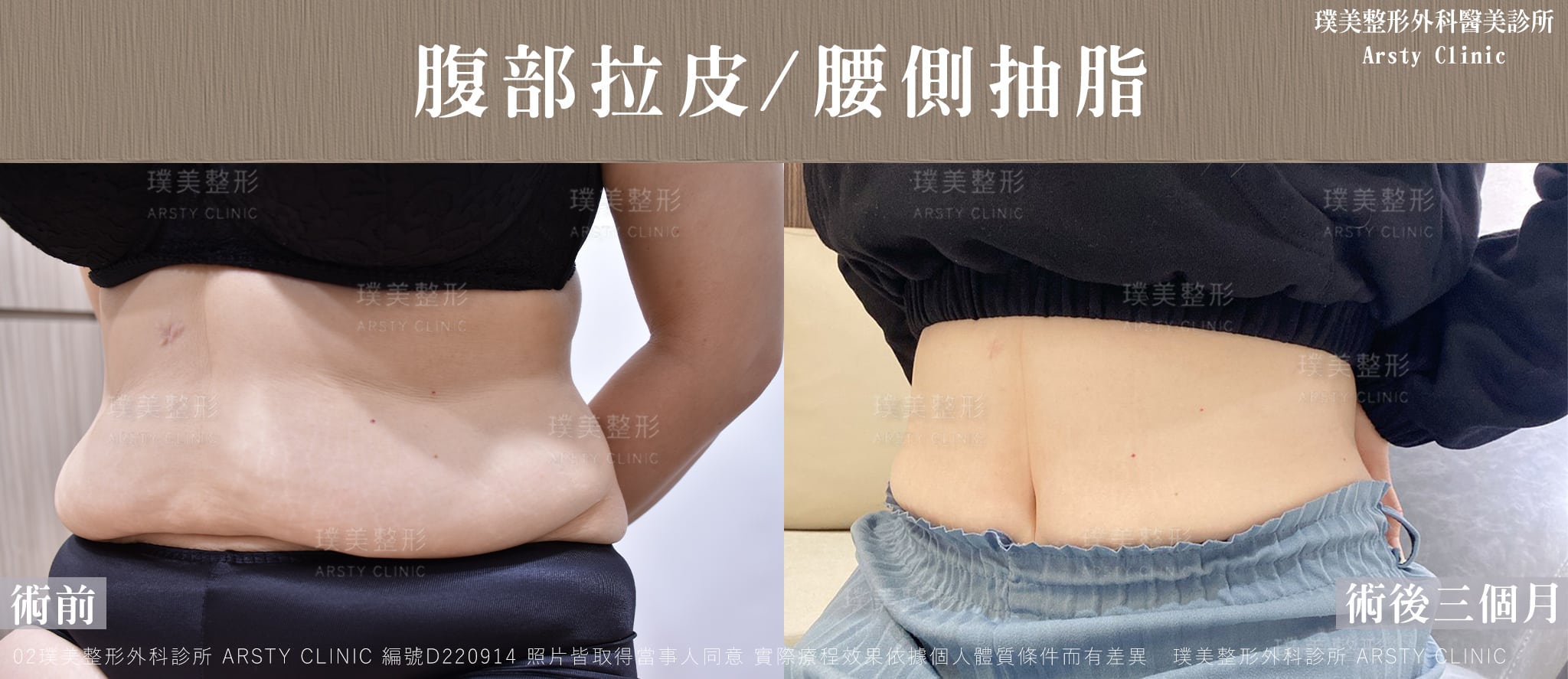
If the skin is severely loose, the lower abdomen is slightly protruding, and the skin around the waist cannot be tightened no matter what, or if a "spare tire" can be pulled out when bending over, then you should consider surgery.AbdominoplastyIf the skin laxity is mild and concentrated below the navel, a lower abdominal lift can be performed. This involves smaller incisions and simply removing excess skin from the lower abdomen to make the stomach flatter and firmer.
However, if the skin laxity is severe, with a lot of excess skin extending above the navel, a combination of abdominal tightening and navel repositioning surgery is necessary. This allows for the removal of excess skin from top to bottom, resulting in a smoother skin recovery. While the incision will be longer, it will usually be hidden under the underwear. Abdominal tightening can also remove unsightly stretch marks on the lower abdomen and reshape the navel. Additionally, it is often combined with localized liposuction to remove stubborn fat, achieving a more ideal body shape.
- Degree of diastasis recti:
During a Abdominoplasty, we will suture the separated rectus abdominis muscles back together to close the crack, improve the central abdominal protrusion, and make the waistline on both sides look more prominent.
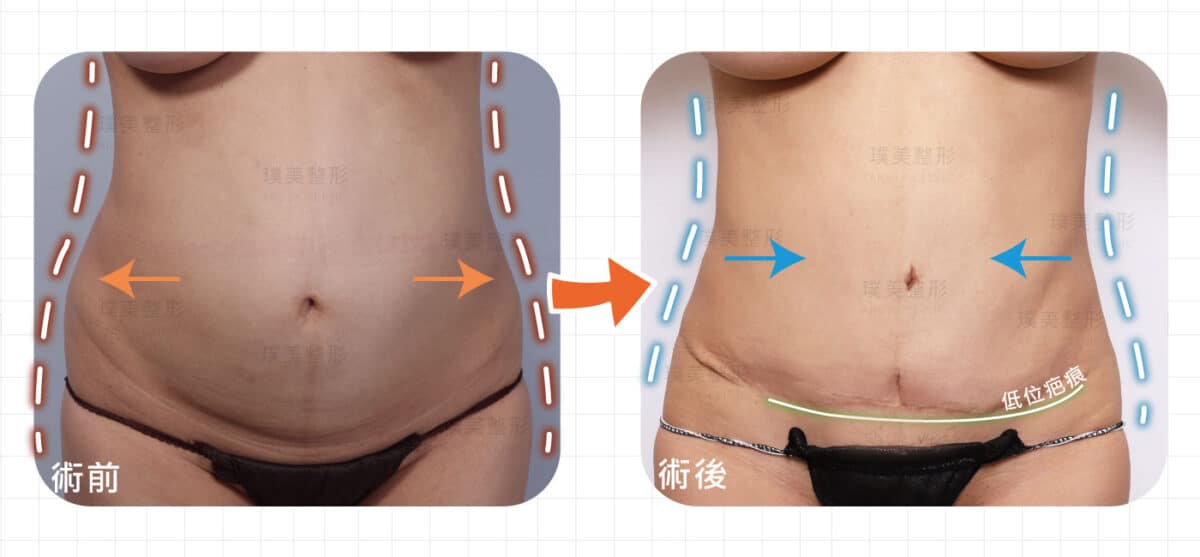
When can postpartum mothers have surgery? The professional advice is to wait at least six months postpartum. Mothers don't need to rush, because the skin and soft tissues have some elasticity, and fat and weight will gradually stabilize with hormones. During this period, the body can slowly return to normal through exercise and diet. This assessment will be more accurate.
That concludes today's introduction to abdominal laxity. So, don't be discouraged when you see your belly. If you have any questions, you can consult a professional plastic surgeon for evaluation. Only then can you find the right treatment plan based on your individual situation and restore the beauty and firmness of your belly.
Abdominal liposuction testimonial cases
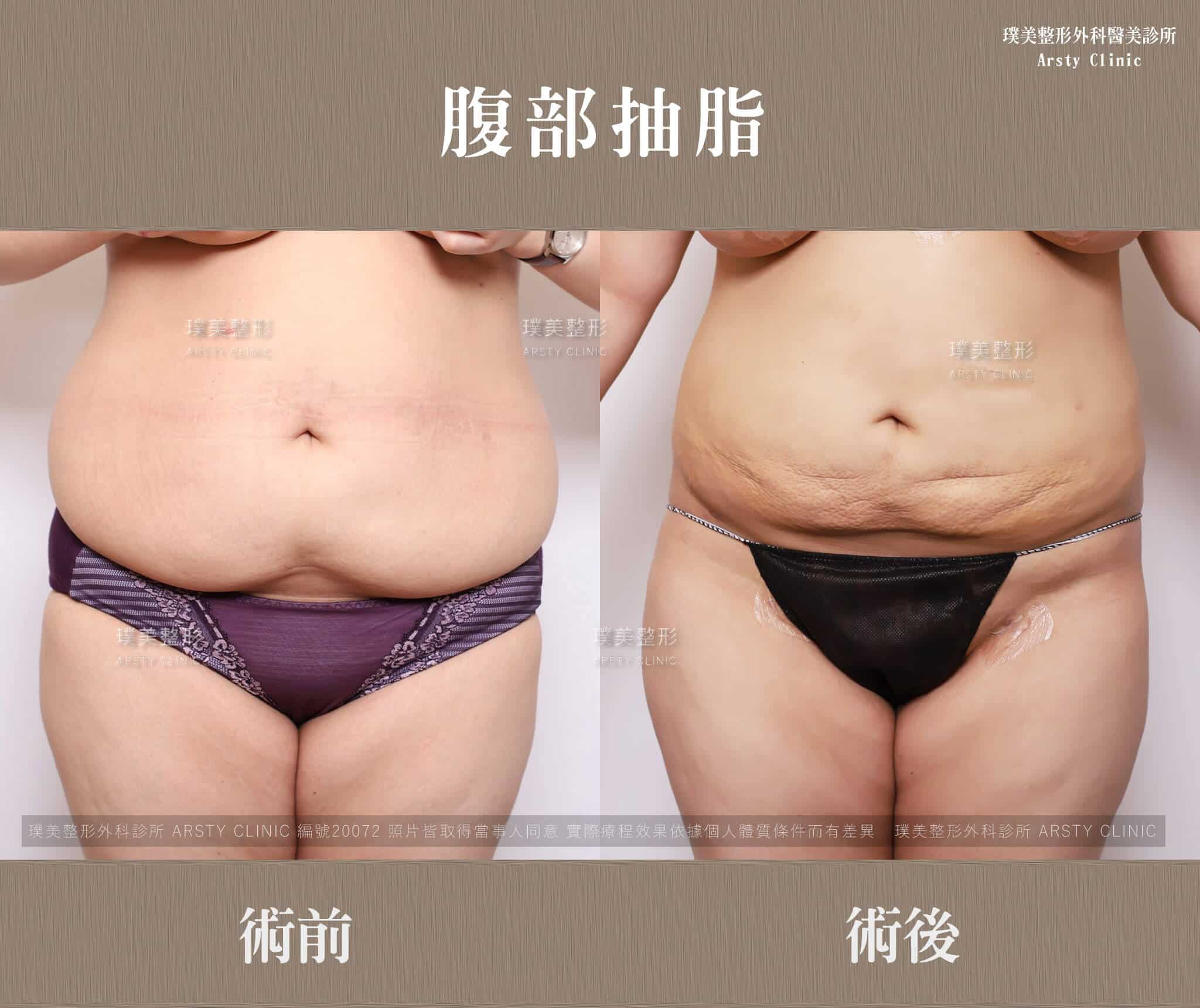
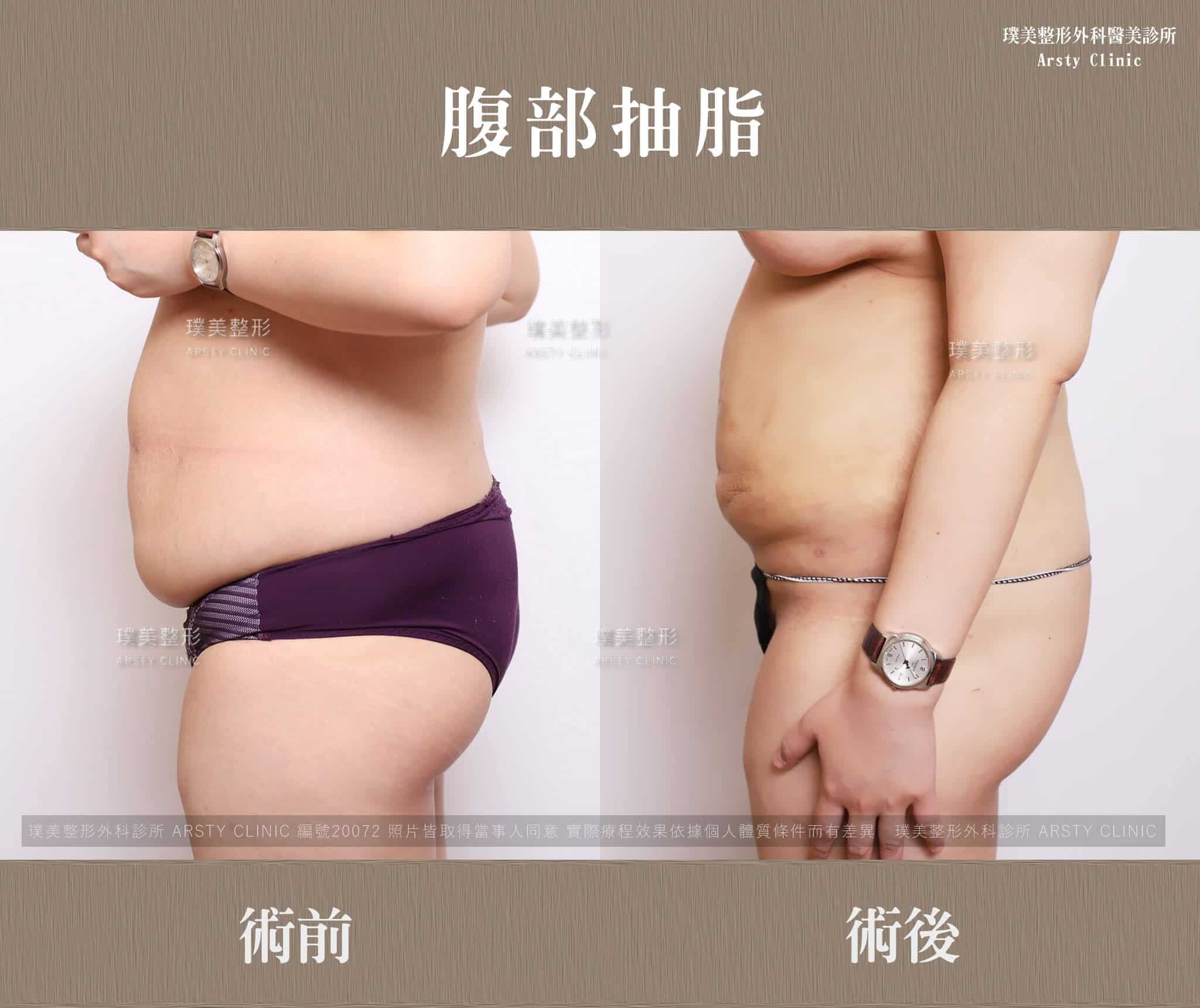
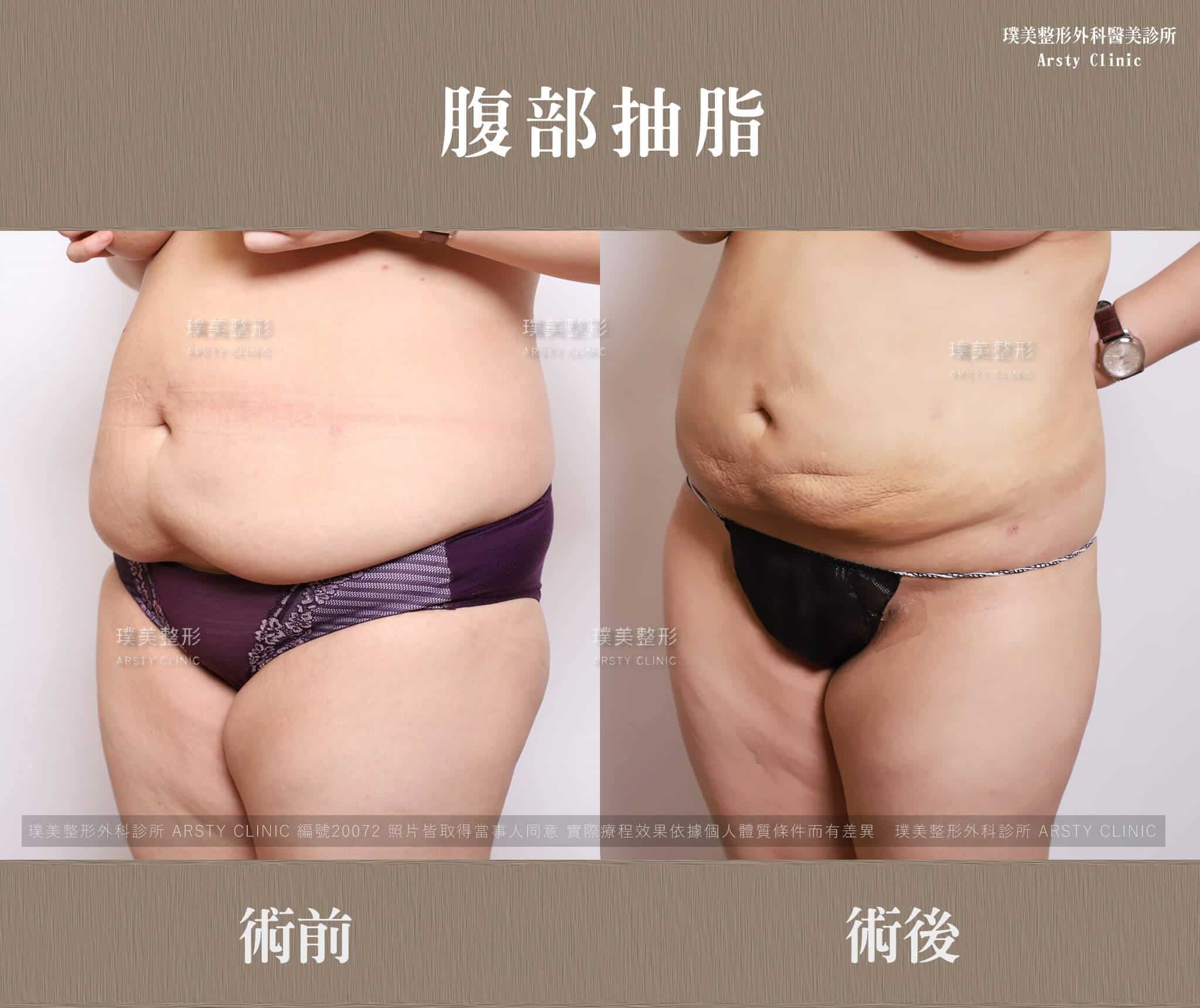


Abdominoplasty testimonial cases


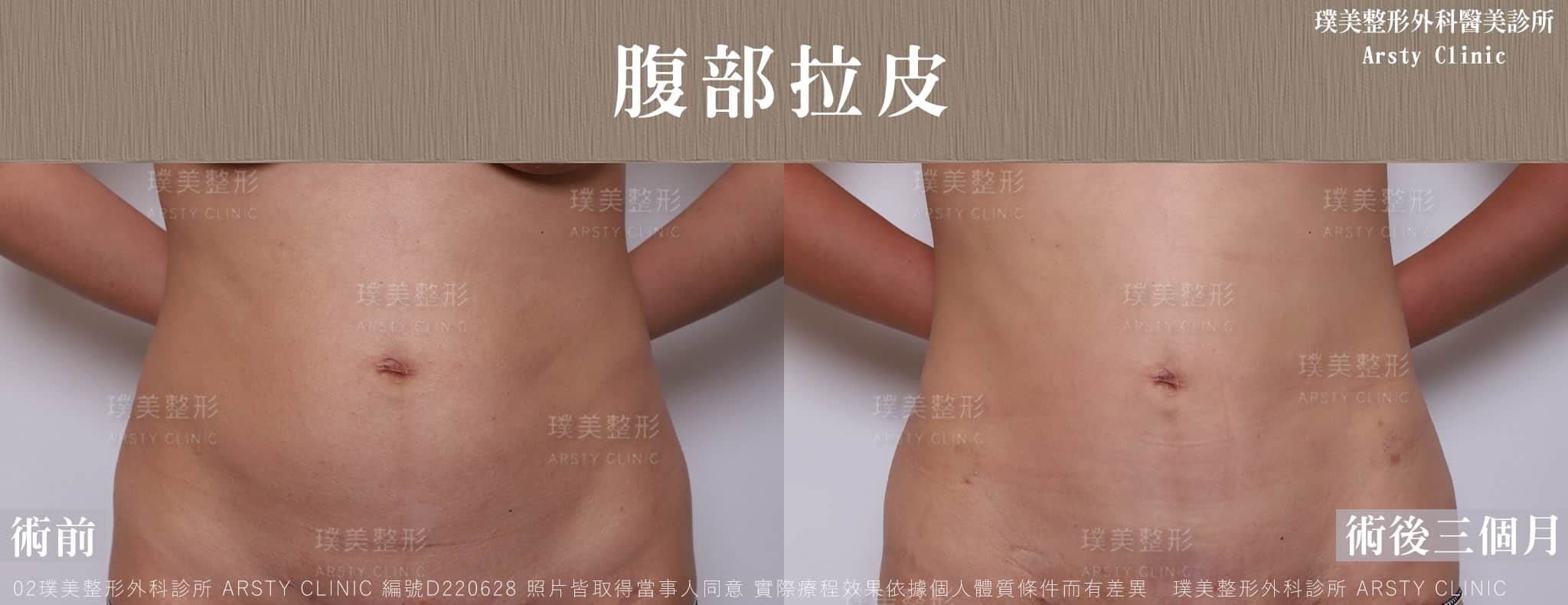
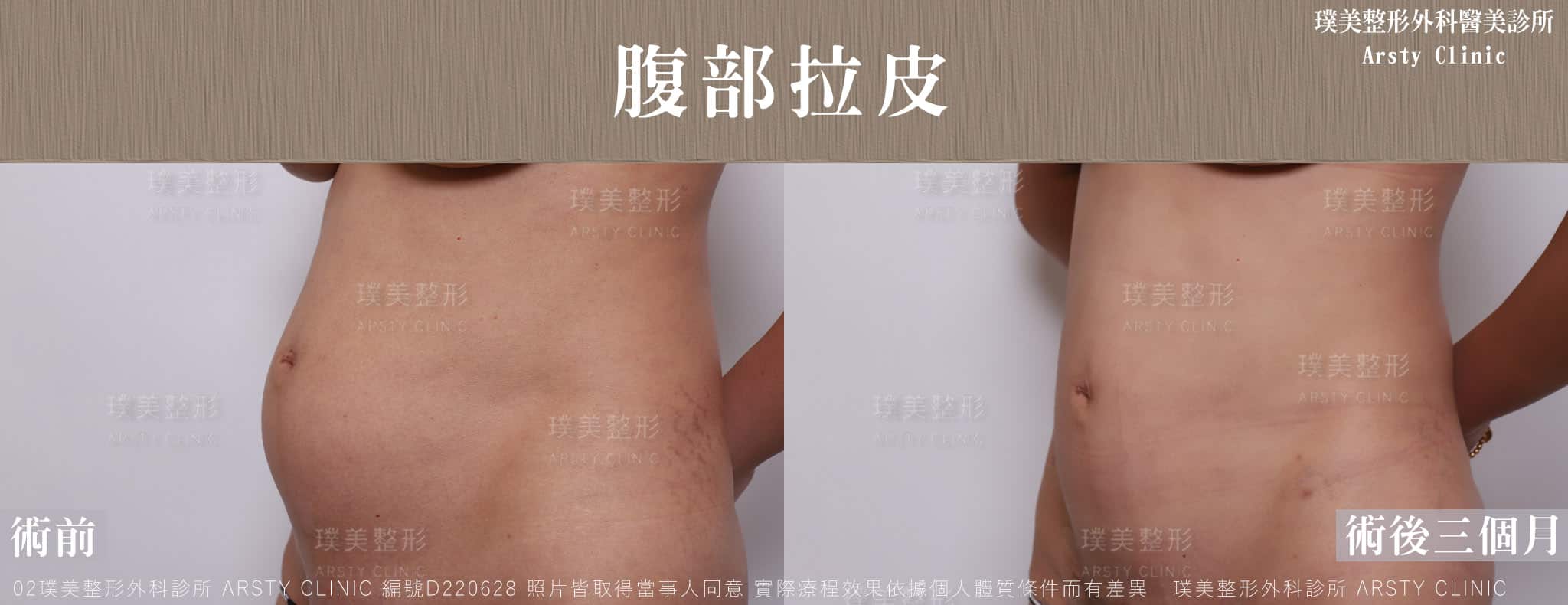
Abdominal circumcision + Abdominoplasty testimonials