Causes of breast atrophy - What to do about breast shrinkage? Can it be used to enlarge breasts?
"Doctor, what should I do? My breasts don't seem to be able to go back to how they used to be."
Why are my breasts so hollow and sagging?
Even after reading numerous textbooks, it wasn't until I experienced pregnancy and breastfeeding myself that I truly understood the immense impact pregnancy has on a woman's body, and how many of these changes are beyond our control. Breastfeeding, in particular, is a love-hate relationship. I felt the same way. The intimacy of direct breastfeeding is something I cherish. Even after experiencing engorgement, cracked nipples, mastitis, and witnessing the unbearable sight of nipples tormented by a breast pump, the thought of my little one's smile made me grit my teeth, hold back tears, and persevere. Only when I calmed down did I have time to look in the mirror and feel frustrated and uneasy about my deformed breasts.
The cause of milk bag formation - loose skin and connective tissue
The breast is mainly composed of mammary gland tissue, connective tissue, and fat. Cooper's ligaments, extending from the fascia of the chest wall to the skin of the chest, densely hold the breast tissue together, supporting its shape. During pregnancy, the rise in female hormone levels stimulates breast tissue proliferation in preparation for breastfeeding after childbirth. Simultaneously, with increased weight during pregnancy, expectant mothers often experience breast enlargement and tenderness, and the skin thins like an inflated balloon. Combined with the increased breast weight and the effects of gravity, the suspensory ligaments and connective tissue gradually lose elasticity, like a stretched rubber band. After childbirth, the surge in prolactin secretion causes the mammary glands to begin producing milk. At this time, the breasts can even increase in size by several cup sizes, repeatedly experiencing cycles of engorgement and emptying. Once breastfeeding stops, the mammary gland tissue atrophies and returns to its original state, but the overall surface area of the skin increases. The loose ligaments and connective tissue can no longer provide the original support. At this time, the breast tissue will shift to the lower half of the entire chest, making the upper half look like a washboard and the lower half like a bag, losing its original firmness.
Therefore, postpartum breast deformation needs to be addressed in relation to breast tissue.Excessive skin and loose fascia。
The degree of breast ptosis is classified into several levels based on the relationship between the nipple and the inframammary fold: Mild – the nipple is within one centimeter of the inframammary fold; Moderate – the nipple is below the inframammary fold, within one to three centimeters below; Severe – the nipple is below the inframammary fold, more than three centimeters below, or located at the lower edge of the entire breast. Another type is pseudo-ptosis, where the nipple is parallel to the inframammary fold, but most of the breast tissue is concentrated in the lower half.
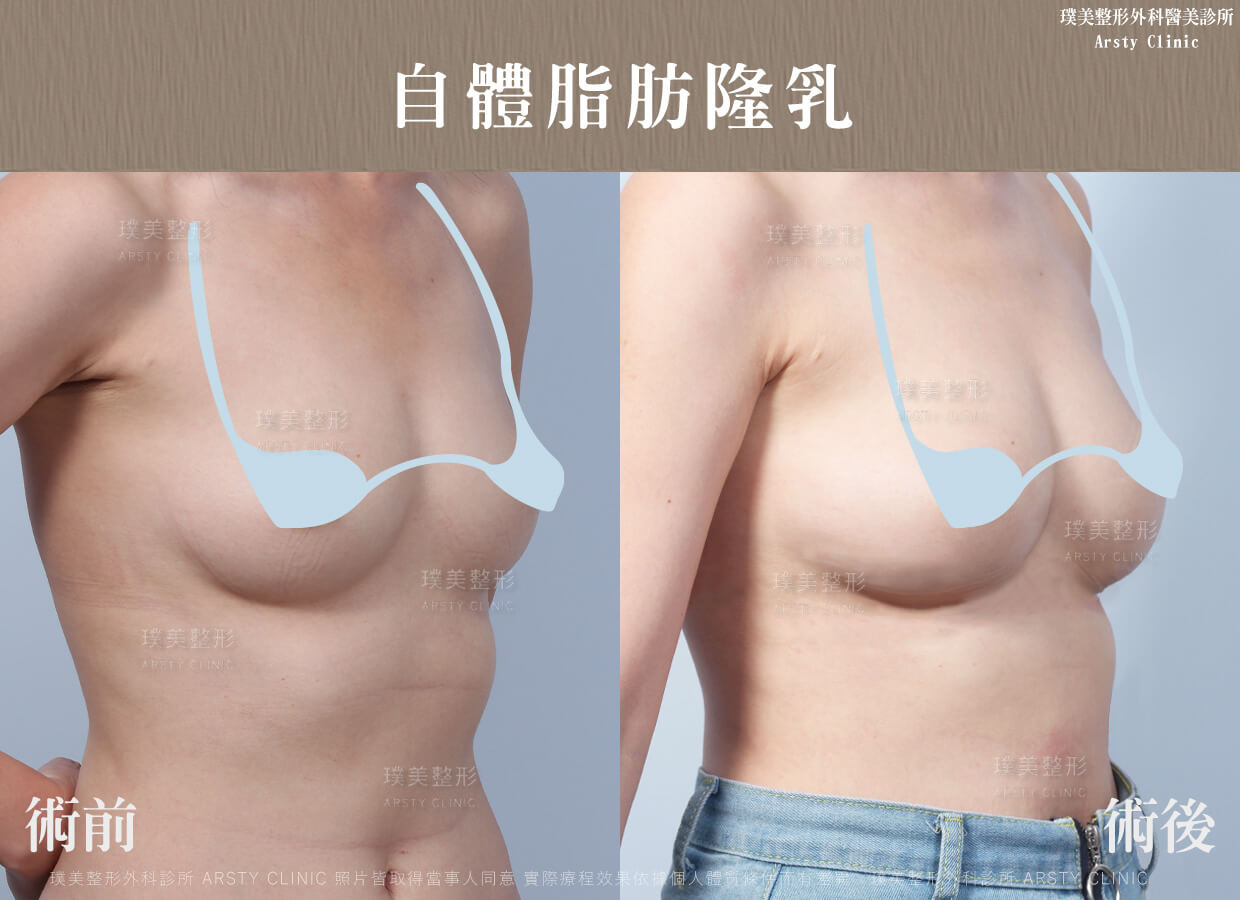
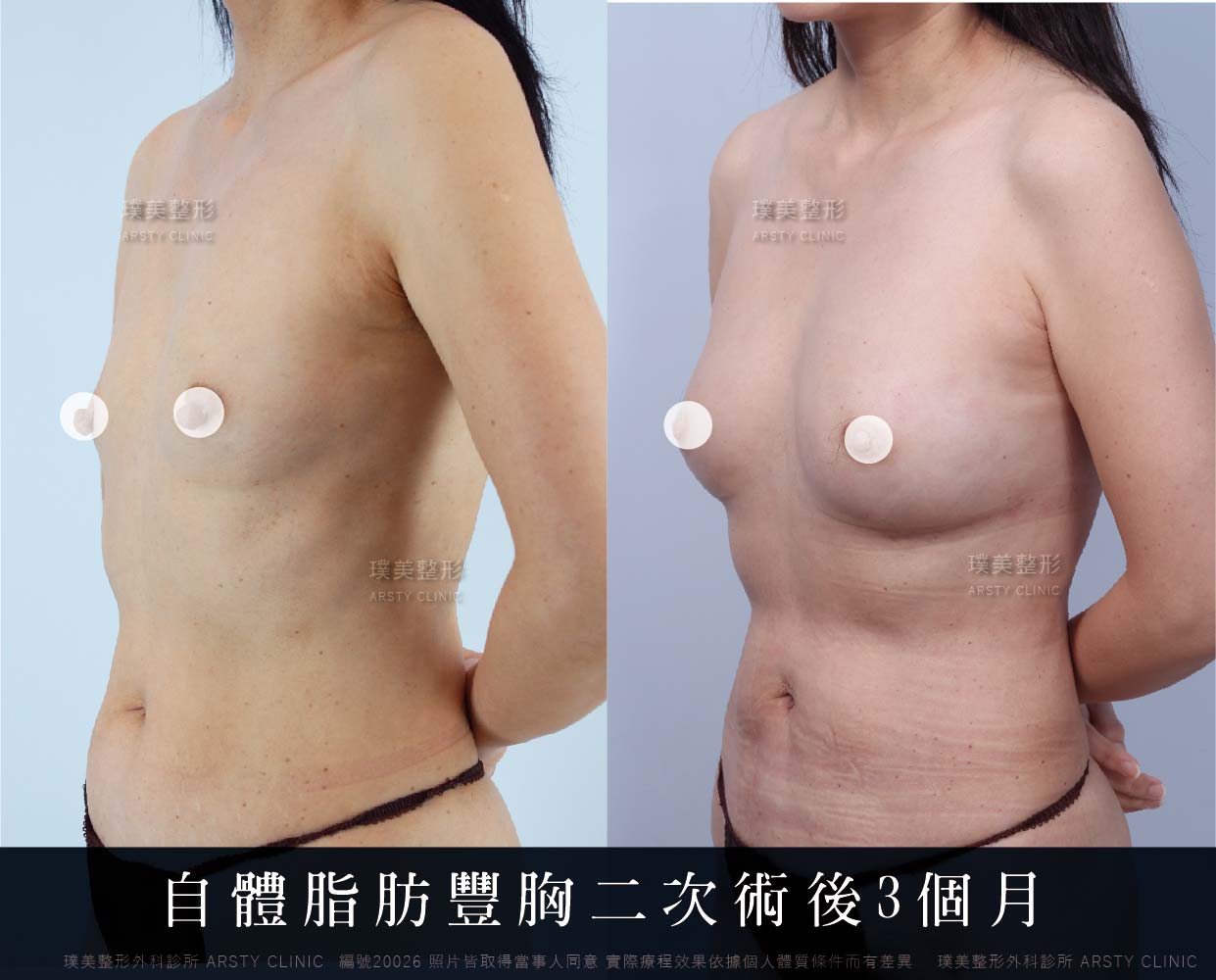
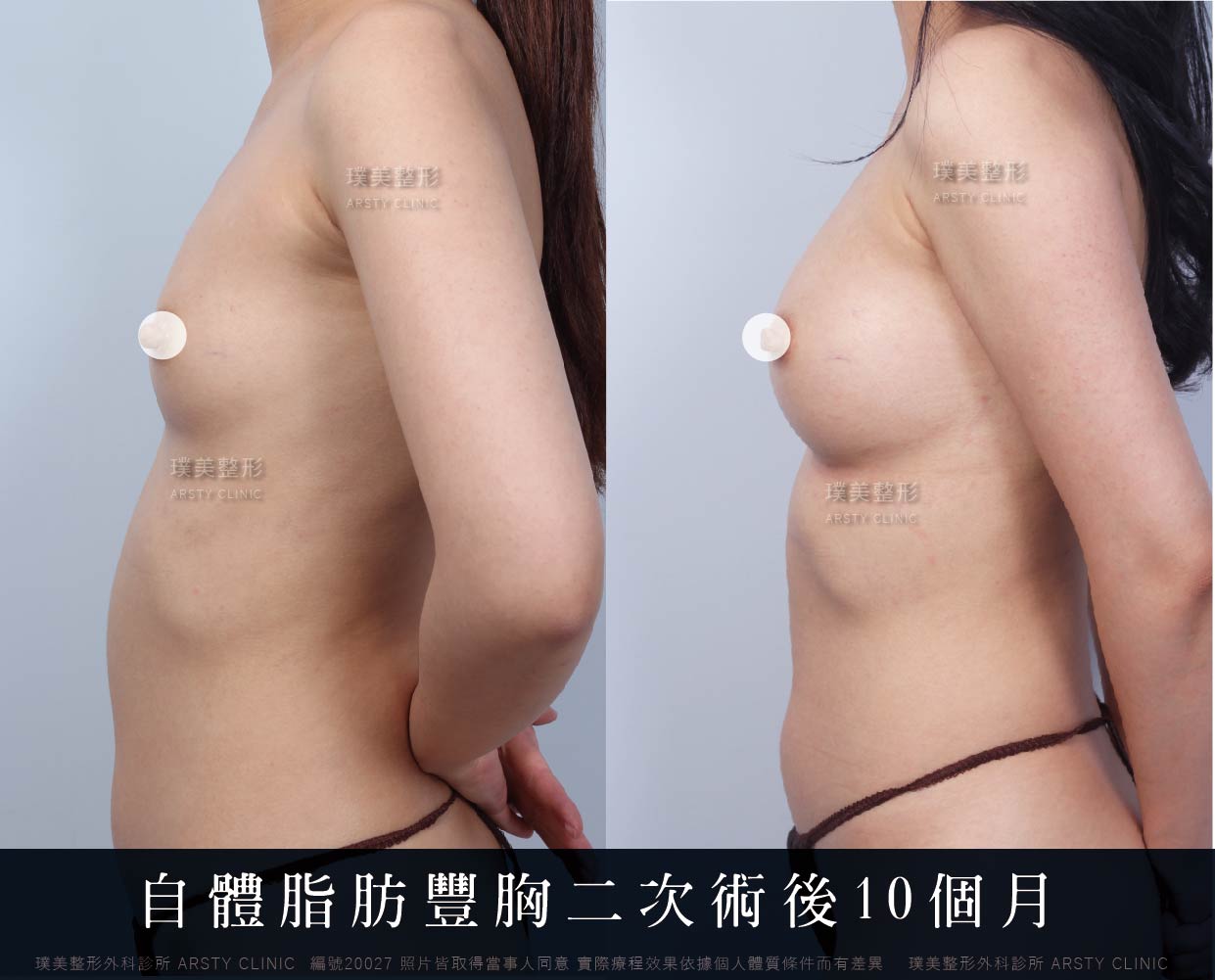
forBreast atrophy is severe, but sagging is not severe.For patients with relatively simple conditions, the main issue is insufficient volume. In such cases, treatment can be achieved through...Breast augmentationTo restore breast fullness, available materials include...Autologous fat and silicone gelFor postpartum women who prefer to avoid external implants, autologous fat grafting is a good option. Firstly, the breast skin has stretched, providing ample space for fat transfer, resulting in a higher survival rate. Secondly, the body may still have excess fat cells from pregnancy that can be utilized. Autologous fat grafting for breast augmentation involves three steps: liposuction, fat purification, and fat injection into the breasts. It achieves a natural, full, and soft effect, and the absence of concerns about foreign body issues is a major advantage. However, to avoid injecting too much fat at once and affecting the survival rate, the procedure needs to be gradual. Approximately 250 to 300 cc can be injected per side per session, increasing the size by about one cup size. Depending on individual needs, more than one procedure may be required to achieve the desired result.
產後布袋奶-Breast lift
But forSevere breast sagging的患者,就需要Breast lift,重新固定乳房組織在胸壁上的相對位置,並透過適當的皮膚切口,讓皮膚變得緊實;若同時Combined with breast atrophy and saggingIn both cases, it is necessary to consider performing breast lift and breast augmentation surgery simultaneously to achieve satisfactory results.
When can the surgery be performed? It's generally recommended...Six months after stopping breastfeedingOn the one hand, breast milk contains rich nutrients, which can be a breeding ground for bacteria during surgery; on the other hand, after weaning, the mammary gland tissue will gradually atrophy and reach a new balance with the skin, connective tissue, and fat, making it a more accurate time to assess the condition of the breast.
For pregnant and breastfeeding women, there are several ways to reduce breast sagging.
1. Wear comfortable and supportive underwear.It provides sufficient support for the enlarged breasts and prevents the suspensory ligaments of the breast from being subjected to excessive pressure.
II. Avoid obesityExcessive weight gain during pregnancy can also cause the breasts to enlarge, stretching the skin and suspensory ligaments.
III. Exercise to strengthen the pectoralis major muscleIt not only provides better support for the breasts, but also helps improve the elasticity of the skin.

Fat Graft for Breast Augmentation.精雕美胸輪廓
While sculpting excess fat in the waist, hips, and thighs, the procedure also purifies autologous fat and re-fills it into the breasts, improving postpartum breast atrophy, uneven breast size, and lack of upper breast tissue, creating a natural and beautiful bust.
For women with severe postpartum sagging and loosening, a combination of silicone gel breast augmentation and autologous fat transfer breast augmentation can be performed to create a firm and full breast shape in one procedure.