內在美的小心機:乳暈乳頭縮小整形手術【整形外科-Dr. Hsin-Yu Chen】

What should I do if my nipples become deformed after childbirth?
"Can nipples stretched during breastfeeding be repaired?"
A beautiful and alluring breast shape depends not only on the firmness and fullness of the breasts, but also on the delicate and crucial shape of the nipples and areolas. Generally, the size and color of the nipples and areolas are influenced by genetics and female hormones. Some women are born with larger nipples, but this unspoken concern is often seen in postpartum mothers who are breastfeeding. The more pregnancies and the longer the breastfeeding period, coupled with the effects of age, the wider the areola and the longer and larger the nipples become, protruding awkwardly from the breast. This not only causes inconvenience in daily life but also severely impacts a woman's self-confidence regarding her body shape. Women seeking help at clinics often feel embarrassed and uncomfortable about their overly large nipples when undressing or wearing tight clothing, while others experience discomfort due to repeated friction during exercise or daily activities.
Nipple reshaping, nipple retraction, and areola reduction principles
Having a properly proportioned nipple and areola has a finishing touch effect on the aesthetics and balance of the breasts. From an aesthetic point of view, the nipple is best positioned at the center of the areola. According to past scientific research, the areola size of Asian women is generally 3 to 5 centimeters, with an average of about 4 centimeters. The width of the nipple accounts for about one-third of the entire areola, about 1 centimeter, and the height is about 1 centimeter. The nipple and areola are covered with stratified squamous keratinized epithelium, and their color can be deepened by female hormones and external friction stimulation. For example, the increase in estrogen during pregnancy or the baby sucking on the nipple during breastfeeding can cause pigmentation and darken the color. The center of the nipple is covered with nerves, blood vessels, and lactiferous ducts, and the opening of the mammary ducts is located at the top.
As women become more aware of their bodies, regardless of age, they increasingly value both inner and outer beauty and comfort. For the highly sensitive procedure of nipple reshaping, we skillfully integrate plastic surgery techniques with flap techniques to protect the nipple's blood circulation and sensory nerves. Based on individual circumstances, we design a suitable nipple and areola shape to restore its smoothness and firmness. Nipple reshaping surgery can be categorized into several methods depending on the nipple's shape, but the principle is to preserve as much of the nipple's blood vessels, nerves, and mammary ducts as possible.
1. Overly long or even droopy nipples
After determining the appropriate nipple height, the excess portion is removed by performing a circular dissection of the epidermis, and then the wound is sutured parallel to the skin, thus shortening the nipple length. Because the blood vessels, nerves, and mammary ducts in the center of the nipple are carefully preserved, the nipple sensation is normal after the surgery, and breastfeeding function is not affected.

II. Overly wide nipples
Appropriate incisions are made on the top and sides of the nipple to remove excess or overly protruding tissue, which is then sutured together to form a new dome. This not only reduces the width of the nipple but also corrects local irregularities. However, if the nipple is reduced to a large extent and a significant amount of tissue is removed, it may affect some breastfeeding function.
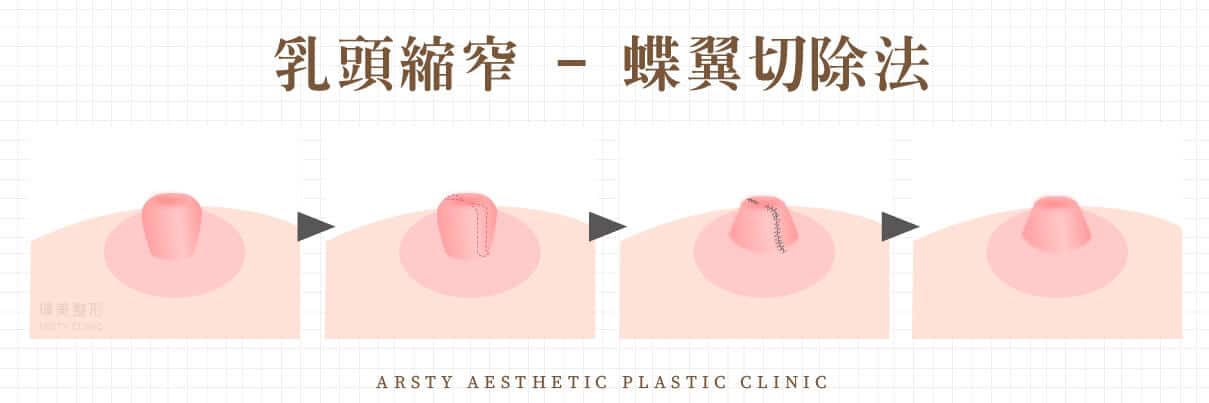
3. Overly long and droopy nipples
By combining the two methods mentioned above, a composite flap design is created, which simultaneously shortens the nipple, making it smaller and more delicate.
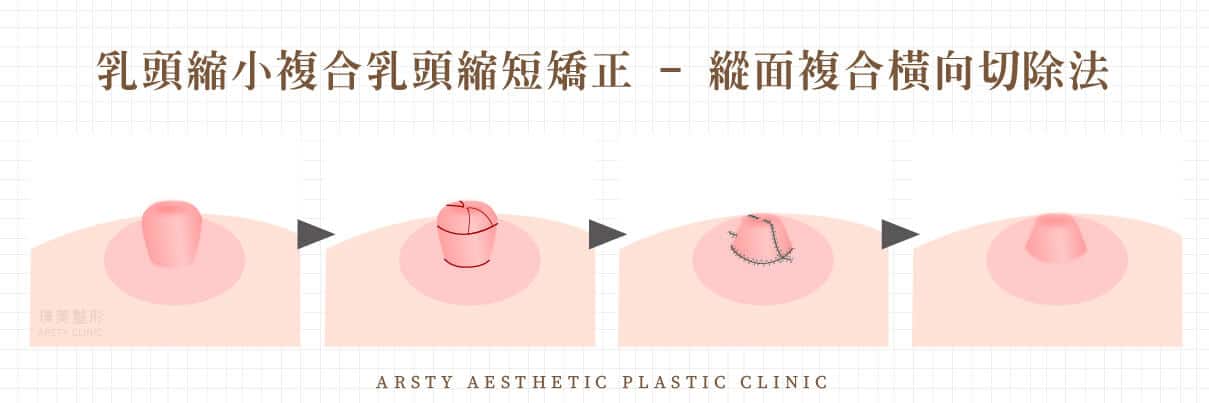
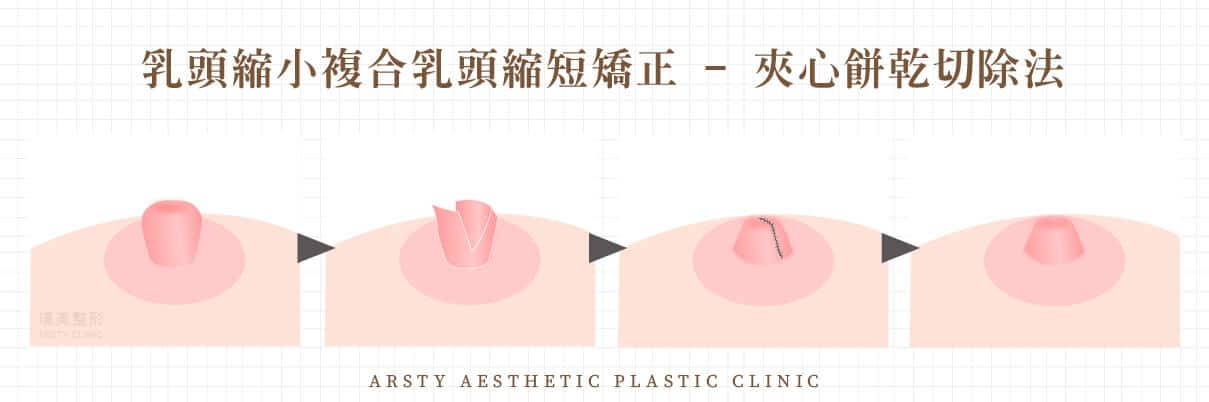
Overall, nipple surgery is a safe and effective minor procedure that changes the shape of the nipple, restoring confidence and allowing many people who have long been troubled by this small issue to stand tall and proud. The surgery is performed with safe sedation and local anesthesia, making the entire process virtually painless. Absorbable sutures are used, which will fall off on their own in about 7-14 days, generally requiring no additional suture removal. The scar will also be hidden within the nipple and almost invisible, allowing you to resume your daily life on the same day after the surgery. The only thing to be careful about is keeping the wound clean for two weeks after the surgery, avoiding bumps, pressure, and friction, as well as smoking and exposure to secondhand smoke, to prevent affecting blood circulation in the nipple.
During my second postpartum period, I chatted with a longtime friend who is also a mother of two. Once women become mothers, the topic of children immediately becomes a common theme. She told me that she breastfed diligently during both pregnancies, breastfeeding each baby for almost a year, almost exclusively breastfeeding. It was incredibly hard work, and of course, her babies grew very strong and healthy. However, after weaning, she found that not only did her breasts become saggy, but her nipples also became large, dark, and droopy. Every time she looked in the mirror, she felt incredibly insecure, as if her youth was gone forever. She asked me what to do. This problem had troubled her for a long time, but she had always been embarrassed to talk about it. Having experienced pregnancy and breastfeeding herself, she deeply empathizes with how much this process changes a woman's body. As a woman and a mother, I feel that a mother's happiness and confidence are also very important. Besides caring for her baby, it's even more important to take care of her own physical and mental health. I also hope to use my expertise to help women who are facing similar challenges.